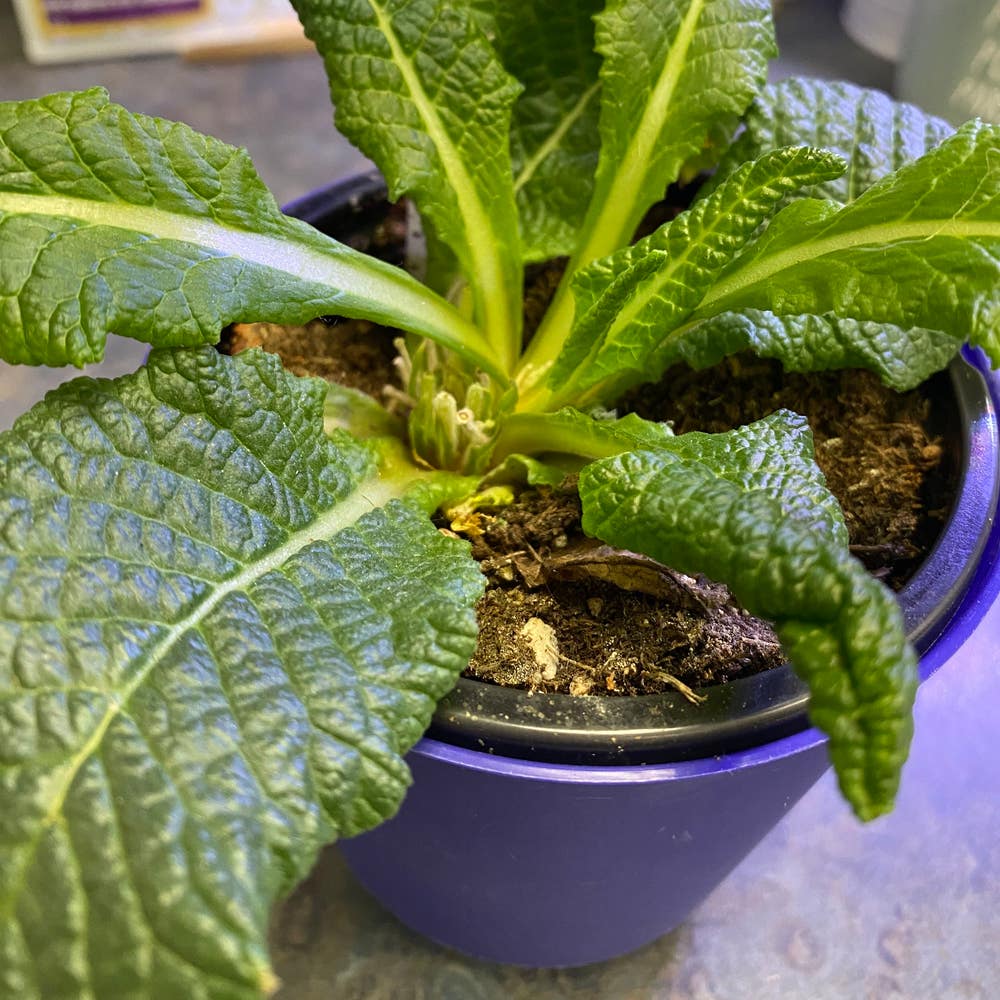
🌸 Best Temperature Conditions for Japanese Primrose
Primula japonica
By the Greg Editorial Team
Aug 27, 2024•3 min read
This article was created with the help of AI so we can cover more plants for you. May contain errors. See one? Report it here.
Keep your Japanese primrose thriving 🌸 by mastering essential techniques to combat temperature stress and ensure vibrant growth!
- 🌡️ Japanese primrose suffers from temperature stress, causing wilting and discoloration.
- 🛡️ Early detection and protective measures are crucial for plant health and recovery.
- 🌳 Creating microclimates helps stabilize temperatures, promoting thriving Japanese primrose growth.
Temperature Stress in Japanese Primrose
Symptoms of Temperature Stress 🌡️
Japanese primrose can show clear signs of temperature stress.
Heat stress symptoms include wilting leaves, flower drop, and leaf scorch.
On the other hand, cold stress manifests as discoloration of leaves, stunted growth, and even potential root rot.
Early detection of these symptoms is crucial for effective management and can make all the difference in plant health.
Causes of Temperature Stress 🔍
Temperature stress can arise from several factors.
Sudden temperature fluctuations can shock the plant, disrupting its growth cycle.
Additionally, prolonged exposure to extreme temperatures—whether heat or cold—can lead to irreversible damage.
Another significant cause is inadequate acclimatization, where plants fail to gradually adjust to changing temperatures.
This lack of preparation can leave them vulnerable to stress and decline.
Understanding these causes is essential for maintaining the health of your Japanese primrose.
Temperature Management Techniques
🌡️ Strategies for Maintaining Ideal Temperature
To keep your Japanese primrose thriving, consider using shade cloths during peak summer heat. These simple coverings can significantly reduce overheating and protect your plants from harsh sunlight.
Mulching is another effective technique. By applying a layer of organic material, you can help regulate soil temperature and retain moisture, creating a more stable environment for your plants.
Additionally, planting in locations that offer natural shade during the hottest parts of the day can make a world of difference. Look for spots where trees or structures provide relief from direct sunlight.
🏞️ Use of Microclimates
Identifying and utilizing microclimates in your garden can enhance the growing conditions for your Japanese primrose. These small areas may have slightly different temperatures or humidity levels, allowing you to optimize plant health.
You can create microclimates by using walls, trees, or other structures to buffer temperature extremes. This can help shield your plants from harsh winds or intense sun, promoting a more favorable growing environment.
🛡️ Protective Measures Against Temperature Extremes
When cold snaps hit, frost protection methods become essential. Covering your plants with frost cloths or blankets can safeguard them from freezing temperatures and help maintain their health.
During heat waves, consider installing shade structures or relocating pots to cooler areas. These strategies can prevent heat stress and keep your plants flourishing.
Regular monitoring of temperature conditions is crucial. By keeping an eye on fluctuations, you can anticipate and mitigate stress, ensuring your Japanese primrose remains vibrant and healthy.
With these temperature management techniques, you can create an ideal environment for your plants. Next, let’s explore how to recognize and respond to temperature stress in Japanese primrose.
⚠️ Safety First
This content is for general information and may contain errors, omissions, or outdated details. It is not medical, veterinary advice, or an endorsement of therapeutic claims.
Always consult a qualified healthcare professional before using any plant as food, medicine, or supplement.
Never eat any plant (or feed one to pets) without confirming its identity with at least two trusted sources.
If you suspect poisoning, call Poison Control (800) 222-1222, the Pet Poison Helpline (800) 213-6680, or your local emergency service immediately.
Spotted an error? Please report it here.
Keep your Japanese primrose thriving 🌼 by using Greg's tailored reminders and tips to manage temperature stress effectively and create the perfect environment for your plants!