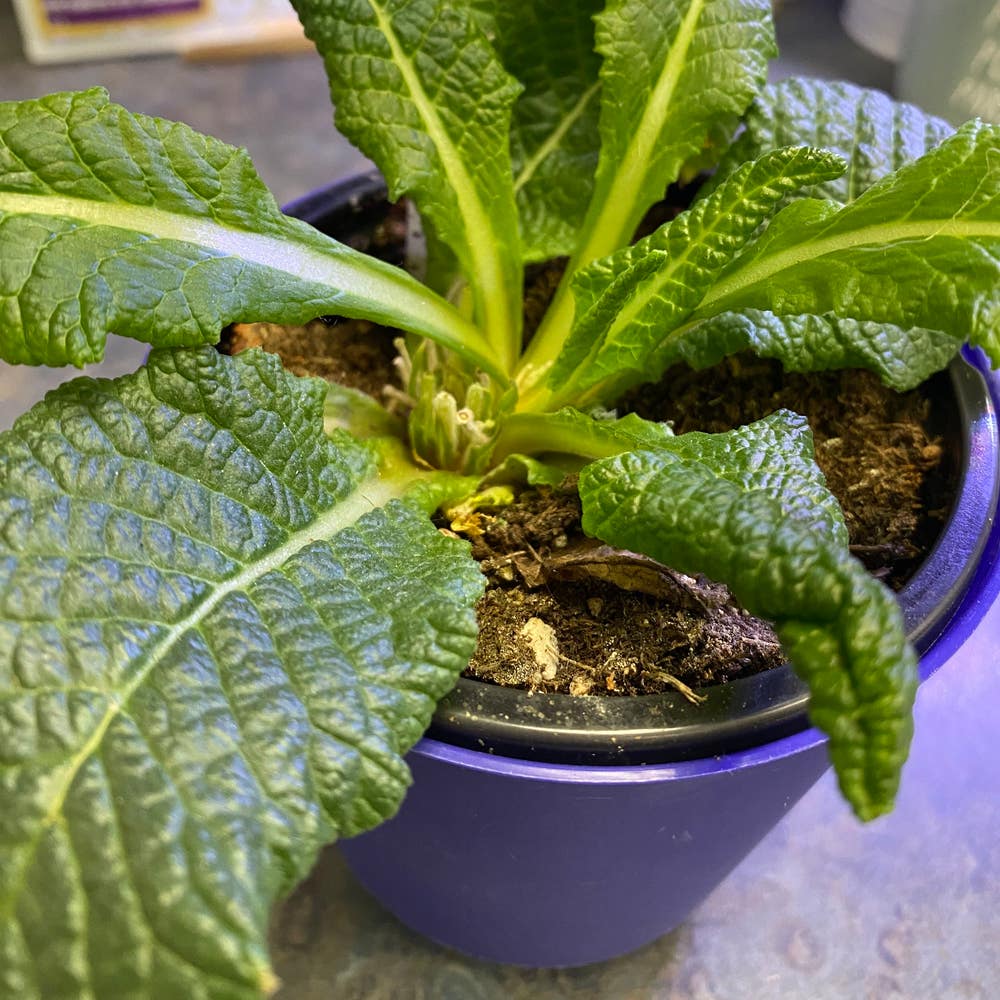
🌸 5 Tips for Healing Brown Spots on Your Japanese Primrose
Primula japonica
By the Greg Editorial Team
Aug 27, 2024•6 min read
This article was created with the help of AI so we can cover more plants for you. May contain errors. See one? Report it here.
Transform your Japanese Primrose's health by tackling brown spots with expert tips and care strategies! 🌿
- 🌧️ Brown spots indicate issues like overwatering, pests, or nutrient deficiencies—diagnose carefully.
- 🌱 Proper drainage and soil mix prevent root rot and promote healthy growth.
- 🐛 Regular inspections for pests and fungal infections ensure early detection and treatment.
Causes of Brown Spots
💧 Overwatering and Root Rot
Brown spots on your Japanese Primrose often signal overwatering. Symptoms include yellowing leaves, wilting, and those pesky brown spots.
Root rot is a common culprit, resulting from waterlogged soil that fosters fungal growth. Ensuring proper soil drainage is crucial to prevent this issue.
🍄 Fungal Infections
Fungal infections, particularly leaf spot disease, are notorious for causing brown spots. These thrive in conditions of high humidity and poor air circulation.
If left unchecked, these infections can lead to leaf drop, significantly impacting your plant's health. Keeping an eye on humidity levels can help mitigate this risk.
🐜 Pest Infestations
Pests like aphids and spider mites can wreak havoc on your Primrose. Signs of damage include stippled leaves, webbing, and, of course, brown spots.
Early detection is vital for effective pest control. Regularly inspecting your plants can save you from more extensive damage down the line.
🌱 Nutrient Deficiencies
Nutrient deficiencies, particularly in nitrogen and magnesium, can also cause brown spots. Symptoms often include yellowing leaves and stunted growth.
Balanced fertilization is essential to keep your plant thriving. Regular soil testing can help identify any nutrient gaps.
🌡️ Environmental Stress
Environmental stressors like temperature fluctuations and inadequate humidity can lead to browning and discoloration of leaves.
Maintaining stable conditions is key to preventing these issues. A little attention to your plant's environment can go a long way in promoting its health.
Understanding these causes is the first step in addressing brown spots effectively. Next, we'll explore how to diagnose these issues accurately.
Diagnosing Brown Spots
🕵️ Identifying Symptoms
When diagnosing brown spots on your Japanese Primrose, start by observing the visual signs. Pay attention to the size, shape, and color of the spots, as these can provide clues about the underlying issue.
Additionally, examine the leaf texture. Smooth surfaces may indicate one problem, while rough textures could suggest another.
🔍 Differentiating Between Fungal and Pest Issues
Next, differentiate between fungal infections and pest infestations. Fungal infections often present as circular spots with yellow halos surrounding them.
On the other hand, pest infestations reveal themselves through the presence of insects or webbing on the leaves. A thorough inspection is crucial for accurate diagnosis.
🌧️ Assessing Environmental Factors
Evaluating environmental factors is essential for understanding the health of your plant. Start by checking the humidity levels; the ideal range for Japanese Primrose is between 50-70%.
Next, ensure proper soil drainage by confirming that pots have drainage holes. Finally, monitor the temperature, keeping your plants in shaded areas to prevent stress.
By carefully assessing these symptoms and environmental factors, you can effectively diagnose the cause of brown spots and take appropriate action. This sets the stage for exploring treatment options that will restore your plant's health.
Treatment Options
Step-by-Step Guide to Treating Fungal Infections 🌱
Fungal infections can wreak havoc on your Japanese primrose. Start by removing affected leaves using clean, sharp scissors to prevent further spread.
Next, apply a fungicide. You can choose between organic options like neem oil or chemical treatments, depending on your preference and severity of the infection.
Finally, improve air circulation around your plants. Space them adequately to reduce humidity levels, which can promote fungal growth.
How to Manage Overwatering 💧
Overwatering is a common issue that can lead to brown spots. Begin by assessing soil moisture; a moisture meter or a simple finger test can help you determine if the soil is too wet.
Adjust your watering schedule accordingly. Allow the top inch of soil to dry out before watering again, and consider repotting your plant with a well-draining mix to enhance drainage.
Pest Control Methods 🐞
Organic Methods
For pest control, start with organic methods. Insecticidal soap is effective against common pests like aphids and spider mites.
Neem oil is another great option. It acts as a natural pesticide, disrupting pest life cycles without harming your plant.
Chemical Methods
If the infestation is severe, you might need to resort to chemical methods. Systemic insecticides are absorbed by the plant, providing long-lasting protection.
Always follow application guidelines on the label to ensure safety and effectiveness.
Nutrient Supplementation Techniques 🌿
Identifying nutrient deficiencies is crucial for plant health. Conduct soil testing to determine nutrient levels and identify any deficiencies.
Establish a fertilization schedule using a balanced fertilizer during the growing season. You can choose between liquid and granular fertilizers based on your preference and ease of application.
By following these treatment options, you can effectively address the brown spots on your Japanese primrose and promote healthier growth. Next, let’s explore preventive measures to keep your plants thriving.
Preventive Measures
🌊 Best Practices for Watering
Adjust your watering frequency based on the season and humidity levels. During hotter months, your Japanese Primrose may need more frequent watering, while cooler months require less.
To prevent leaf wetness, consider using bottom watering techniques. This method allows the plant to absorb moisture from the bottom, keeping the leaves dry and reducing the risk of fungal infections.
🪴 Soil and Potting Mix Recommendations
For optimal growth, use a potting mix that combines peat moss, perlite, and compost. This blend ensures good drainage and aeration, crucial for healthy root development.
Repotting every 1-2 years is essential to refresh the soil and provide more space for growth. This practice helps prevent root-bound conditions and maintains soil health.
🌡️ Ideal Humidity and Temperature Conditions
Maintaining humidity is vital for your plant's well-being. Use humidity trays or misting to keep levels around 50-70%, which is ideal for Japanese Primrose.
Keep your plant in a temperature range between 15°C to 25°C (59°F to 77°F). This stable environment supports healthy growth and minimizes stress.
🔍 Regular Monitoring and Maintenance Tips
Conduct weekly inspections to check for signs of pests and disease. Early detection can save your plant from severe damage.
Record-keeping is also important. Track your watering schedule and treatments to identify patterns and adjust care as needed. This proactive approach will help you maintain a thriving plant.
By implementing these preventive measures, you can significantly reduce the risk of brown spots and ensure your Japanese Primrose remains healthy and vibrant. Next, let’s explore seasonal considerations to further enhance your plant care strategy.
Seasonal Considerations
Care During Spring and Summer 🌸
Spring and summer are crucial for your Japanese primrose. During these warmer months, the plant's watering needs increase significantly, so keep a close eye on soil moisture.
Fertilization is also key; apply a balanced fertilizer every 4-6 weeks to support healthy growth. This will ensure your plant has the nutrients it needs to thrive.
Fall and Winter Preparations ❄️
As temperatures drop, it's time to adjust your care routine. Reduce watering frequency and allow the soil to dry slightly between waterings to prevent root rot.
Additionally, protect your primrose from cold drafts by moving pots indoors. This simple step can make a big difference in keeping your plant healthy.
Adjusting Care Based on Growth Cycle 🔄
Understanding your plant's growth phases is essential. During active growth, your primrose will require more water and nutrients.
In contrast, during dormancy, you can scale back on both watering and fertilization. Tailoring your care practices to these cycles will help your plant flourish year-round.
With these seasonal considerations in mind, you can ensure your Japanese primrose remains vibrant and healthy throughout the year. Next, let’s explore preventive measures to keep your plant in top shape.
⚠️ Safety First
This content is for general information and may contain errors, omissions, or outdated details. It is not medical, veterinary advice, or an endorsement of therapeutic claims.
Always consult a qualified healthcare professional before using any plant as food, medicine, or supplement.
Never eat any plant (or feed one to pets) without confirming its identity with at least two trusted sources.
If you suspect poisoning, call Poison Control (800) 222-1222, the Pet Poison Helpline (800) 213-6680, or your local emergency service immediately.
Spotted an error? Please report it here.
Transform your Japanese Primrose's health and banish brown spots 🌱 with Greg's tailored watering alerts and pest detection tools that keep your plant thriving all year round!