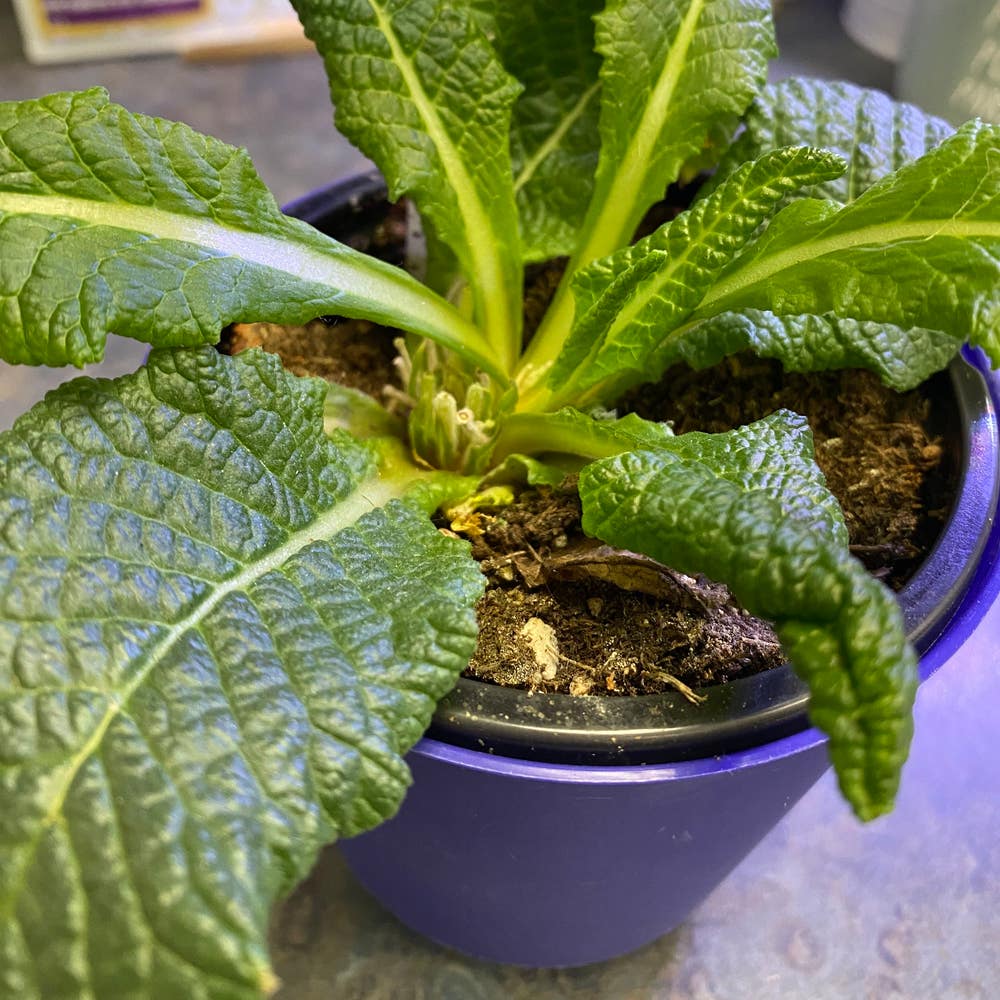
🌸 What To Do About Japanese Primrose Dying
Primula japonica
By the Greg Editorial Team
Aug 27, 2024•5 min read
This article was created with the help of AI so we can cover more plants for you. May contain errors. See one? Report it here.
Master the signs of distress 🌱 to keep your Japanese Primrose thriving and vibrant all year round!
- 🌱 Recognize symptoms like yellowing leaves and wilting to assess plant health.
- 💧 Balance watering: Overwatering causes rot, while underwatering leads to wilting.
- 🌞 Adjust light exposure to prevent leggy growth and scorched leaves.
Signs of an Unhealthy Plant
🟡 Symptoms
Japanese Primrose can show several signs when it's not thriving.
Yellowing leaves are often the first indicator, signaling potential nutrient deficiencies or stress.
Wilting can also occur, which may point to underwatering or root issues that need immediate attention.
If you notice fuzzy growth, it’s likely linked to fungal infections that can compromise your plant's health.
Lastly, leaning or leggy growth suggests that your Primrose isn’t getting enough light or nutrients, making it stretch awkwardly towards the sun.
Recognizing these symptoms early can help you take action before the situation worsens.
By staying observant, you can ensure your Japanese Primrose remains vibrant and healthy.
Next, let’s explore some common problems specific to this beautiful plant.
Common Problems Specific to Japanese Primrose
💧 Incorrect Watering
Identifying Overwatering vs. Underwatering
Overwatering manifests as yellowing leaves, mushy stems, and root rot. In contrast, underwatering leads to wilting, dry leaves, and crispy edges.
Causes and Effects
Poor drainage and waterlogged soil are common culprits of overwatering, while infrequent watering, especially in dry conditions, results in underwatering.
Steps to Resolve
- Check soil moisture with a finger test (1-2 inches deep).
- Adjust your watering schedule based on moisture levels.
- For overwatered plants, improve drainage and allow the soil to dry out.
💡 Incorrect Light Conditions
Symptoms of Inadequate or Excessive Light
Inadequate light results in leggy growth and fewer flowers. Excessive light can scorch leaves and fade colors.
Causes and Effects
Insufficient sunlight often occurs in shaded areas, while direct sunlight exposure can cause leaf burn.
Steps to Resolve
- Move the plant to a location with filtered light.
- Use sheer curtains indoors to diffuse harsh sunlight.
🌡️ Incorrect Temperature
Signs of Temperature Stress
Leaves dropping can indicate stress from extreme temperatures. Wilting or browning may occur in both hot and cold conditions.
Causes and Effects
High temperatures can lead to dehydration and stress, while low temperatures pose a risk of frost damage.
Steps to Resolve
- Maintain a temperature range of 60°F to 75°F (15°C to 24°C).
- Use frost cloths or move the plant indoors during cold snaps.
🐛 Pests
Common Pests Affecting Japanese Primrose
Aphids are small, green insects found on new growth, while slugs and snails leave visible trails and holes in leaves.
Identification and Symptoms
Aphids cause curling leaves and sticky residue, whereas slugs and snails create irregular holes in leaves.
Treatment Options
- Use insecticidal soap for aphids.
- Handpick slugs and snails or use bait traps.
🦠 Diseases
Fungal Issues (Powdery Mildew, Rust, Black Rot, Blight)
Identification and Symptoms
Powdery mildew appears as white, powdery spots on leaves. Rust shows orange or brown spots on the underside, while black rot presents dark, sunken spots. Blight causes rapid wilting and browning of leaves.
Causes and Effects
High humidity and poor air circulation can promote fungal growth.
Treatment Options
- Apply fungicides as needed.
- Improve air circulation and avoid overhead watering.
🌱 Root Problems
Identifying Root Rot and Squishy Roots
Root rot is characterized by dark, mushy roots when removed from soil. Squishy roots indicate decay with a soft texture.
Causes and Effects
Overwatering and poor drainage are the main causes of root rot.
Steps to Resolve
- Remove affected roots and repot in fresh, well-draining soil.
- Adjust watering practices to prevent recurrence.
🍃 Leaf Issues
Symptoms of Scorching, Yellowing, and Fuzzy Growth
Scorching results in brown edges and tips on leaves. Yellowing can indicate nutrient deficiency or overwatering, while fuzzy growth often signals a fungal infection.
Causes and Effects
Excessive light or heat can cause scorching, while an imbalance in watering or nutrient levels leads to yellowing.
Steps to Resolve
- Adjust light exposure and watering schedule.
- Treat fungal infections with appropriate fungicides.
🌿 Growth Problems
Identifying Issues Like Not Growing, Leaning, Leggy, and Etiolated
Stunted growth may result from nutrient deficiency, while leaning indicates inadequate light or support. Leggy or etiolated growth occurs when plants stretch toward a light source.
Causes and Effects
Poor soil quality or insufficient light can hinder growth.
Steps to Resolve
- Fertilize with a balanced fertilizer.
- Provide support for leaning plants and adjust light conditions.
Understanding these common problems can help you keep your Japanese Primrose thriving. Next, let’s explore preventive measures to ensure your plant remains healthy and vibrant.
Preventive Measures
Best Practices for Healthy Growth 🌱
To keep your Japanese Primrose thriving, regularly check the soil moisture and adjust your watering schedule accordingly. Ensuring proper light conditions tailored to the plant's needs is equally crucial for its overall health.
Importance of Regular Monitoring 👀
Consistent monitoring allows for early detection of potential issues, which can prevent severe damage down the line. Staying proactive means your plant can flourish without unnecessary stress.
Using the Greg Plant Care App for Reminders 📱
Consider using the Greg plant care app to set reminders for watering, fertilizing, and monitoring your plant's health. This handy tool can help you stay organized and attentive to your plant's needs.
Seasonal Variations
Common Problems in Different Seasons 🌦️
Each season brings its own set of challenges for your Japanese Primrose.
- Spring: Watch out for increased pest activity; keep a close eye on your plant.
- Summer: The risk of overheating rises, so ensure you’re watering adequately.
- Fall: Prepare for temperature drops and adjust your care routine accordingly.
- Winter: Indoor pests and humidity levels can become problematic, so monitor them closely.
Adjusting Care Based on Seasonal Changes 🔄
As the seasons change, modify your watering and light exposure to maintain optimal plant health. Adapting your care routine ensures your Japanese Primrose remains vibrant and resilient throughout the year.
⚠️ Safety First
This content is for general information and may contain errors, omissions, or outdated details. It is not medical, veterinary advice, or an endorsement of therapeutic claims.
Always consult a qualified healthcare professional before using any plant as food, medicine, or supplement.
Never eat any plant (or feed one to pets) without confirming its identity with at least two trusted sources.
If you suspect poisoning, call Poison Control (800) 222-1222, the Pet Poison Helpline (800) 213-6680, or your local emergency service immediately.
Spotted an error? Please report it here.
Revive your Japanese Primrose and keep it thriving 🌼 by using Greg for personalized reminders and insights that ensure perfect watering and light conditions!