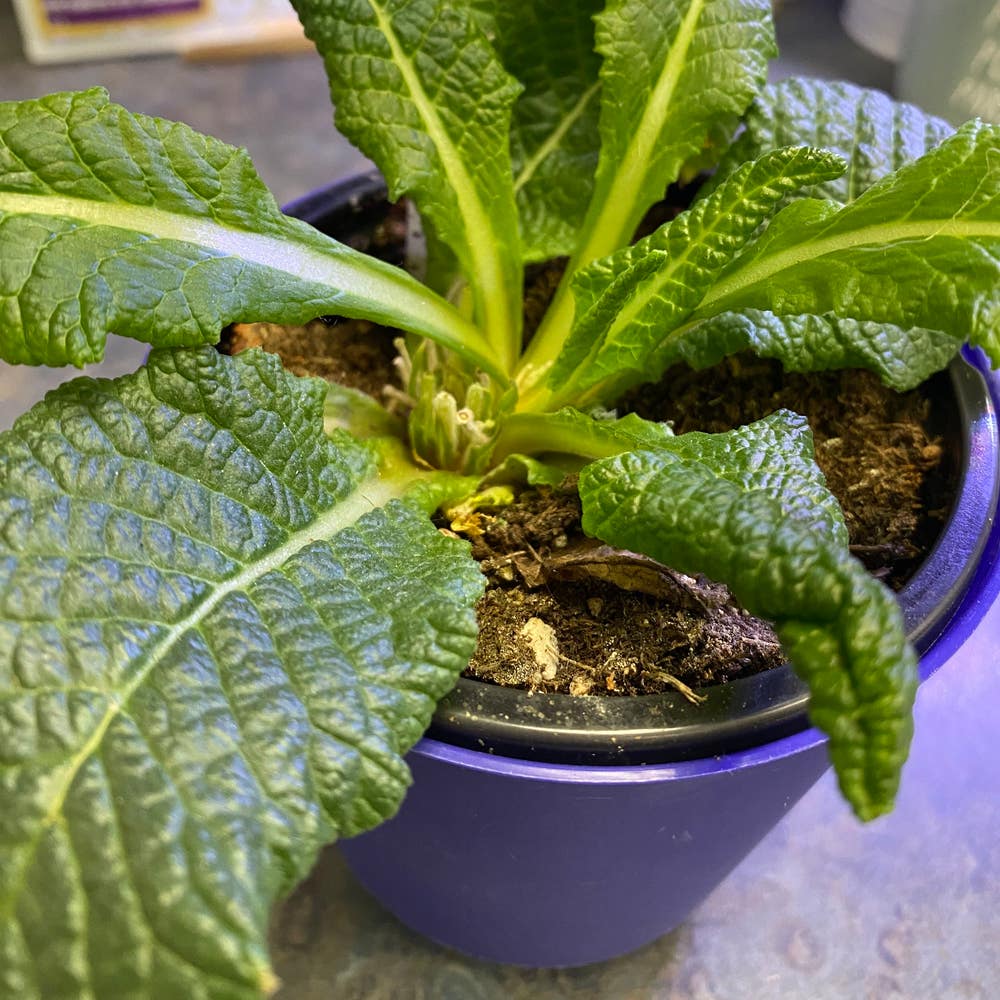
🌸 How to Cure Dropping Leaves on Your Japanese Primrose
Primula japonica
By the Greg Editorial Team
Aug 27, 2024•7 min read
This article was created with the help of AI so we can cover more plants for you. May contain errors. See one? Report it here.
Prevent leaf drop in your Japanese Primrose 🌱 with these essential care tips for a thriving plant!
- 💧 Overwatering causes root rot, leading to yellowing leaves and wilting in Japanese Primrose.
- 🌡️ Ideal temperature is 15°C to 20°C; humidity should be between 50% and 70%.
- 🐛 Inspect regularly for pests like aphids to prevent leaf drop and damage.
Causes of Leaf Drop
💧 Overwatering and Root Rot
Overwatering is a common issue for Japanese Primrose, leading to yellowing leaves and wilting, even when the soil feels wet. If you notice mushy roots and a foul smell emanating from the soil, root rot may be the culprit.
Root rot occurs when waterlogged conditions foster fungal infections. To prevent this, ensure your plant is in well-draining soil, allowing excess water to escape.
🌵 Underwatering and Drought Stress
On the flip side, underwatering can also cause significant stress. Look for crispy, dry leaves and curling, along with soil that pulls away from the pot edges.
Drought stress impacts both leaf health and the overall vigor of your plant. Maintaining consistent soil moisture is crucial for the thriving of your Japanese Primrose.
🌪️ Environmental Stressors
Temperature
Japanese Primrose thrives in a temperature range of 15°C to 20°C (59°F to 68°F). Extreme temperatures can severely affect leaf health, leading to drop and discoloration.
Humidity
Humidity plays a vital role in the health of your plant, with optimal levels between 50% to 70%. Low humidity can result in leaf drop and browning edges, so keep an eye on those moisture levels.
🐛 Pest Infestations
Common Pests
Aphids are a common pest that can wreak havoc on your Japanese Primrose. Signs include sticky residue on leaves and distorted growth, which can be managed with insecticidal soap or neem oil.
Spider mites are another concern, identifiable by fine webbing and stippled leaves. Increasing humidity and using miticides can help control these pests effectively.
🌱 Nutrient Deficiencies
Nitrogen Deficiency
If your plant exhibits pale leaves and stunted growth, it may be suffering from nitrogen deficiency. Nitrogen is essential for healthy leaf development.
Potassium Deficiency
Look for browning and curling at the leaf edges, which can indicate potassium deficiency. Potassium is crucial for overall plant vigor, so addressing this deficiency is key to maintaining a healthy Japanese Primrose.
Understanding these causes of leaf drop will empower you to take action and restore your plant's health. Next, we will explore how to diagnose these issues effectively.
Diagnosing Leaf Drop Issues
🌊 Identifying Symptoms of Overwatering
Overwatering is a common culprit behind leaf drop in Japanese Primrose. Look for yellowing leaves and wilting, even when the soil feels wet.
Inspect the roots for mushiness and a foul smell, indicating root rot. Use a finger test or moisture meter to check soil moisture levels accurately.
💧 Recognizing Signs of Underwatering
Underwatering can also lead to leaf drop. Signs include dry, crispy leaves and soil that pulls away from the pot edges.
Adjust your watering frequency based on environmental conditions to keep your plant hydrated.
🌡️ Assessing Environmental Conditions
Temperature and humidity play crucial roles in your plant's health. Check that the temperature stays between 15°C to 20°C (59°F to 68°F) for optimal growth.
Ensure humidity levels are between 50% to 70%. Partial shade can also help protect your Japanese Primrose from extreme conditions.
🐛 Checking for Pests and Diseases
Regular inspections are vital for catching pests early. Look for sticky residue or distorted growth, which may indicate aphid infestations.
Keep an eye out for discoloration, spots, or mold, as these can signal disease. Early detection is key to maintaining leaf health and overall vigor.
By diagnosing these issues promptly, you can take the necessary steps to restore your Japanese Primrose's vitality. Next, let’s explore preventive measures to keep your plant thriving.
Preventive Measures
Proper Watering Techniques 🌊
Watering your Japanese Primrose correctly is crucial for its health. Aim to water 1-2 times a week, adjusting based on environmental conditions.
Soak the soil thoroughly each time, but allow it to dry slightly between waterings. This balance helps prevent both overwatering and underwatering.
Ideal Soil Conditions and Drainage 🪴
The right soil mix is essential for your plant's vitality. Use a well-draining, moisture-retentive mix, such as peat-based soil.
Don't forget drainage holes in your pots! They prevent water from pooling, which can lead to root rot.
Maintaining Humidity Levels 💧
Humidity plays a significant role in the well-being of your Japanese Primrose. Aim for humidity levels between 50% and 70% for optimal growth.
To increase humidity, consider using pebble trays, misting, or even a humidifier. A hygrometer can help you monitor these levels effectively.
Seasonal Care Adjustments 🍂
Adjusting your care routine with the seasons is vital. In summer, your plant may need more frequent watering, while winter calls for less.
Mulching is also important; it helps retain soil moisture and insulates roots against temperature fluctuations. Keeping these adjustments in mind will promote a thriving plant year-round.
With these preventive measures in place, your Japanese Primrose will be better equipped to handle challenges. Next, let's explore effective treatment solutions to address any issues that may arise.
Treatment Solutions
Adjusting Watering Schedules 🌧️
Tailoring your watering frequency is crucial for the health of your Japanese Primrose. Monitor the plant's needs and adjust based on environmental conditions, ensuring the soil remains consistently moist but not soggy.
Using the Greg plant care app can be a game-changer. It sends reminders tailored to your plant's specific requirements, helping you maintain the perfect watering schedule effortlessly.
Soil Amendments for Drainage 🏞️
Improving soil drainage is essential to prevent root rot. Recommended amendments like perlite or sand can significantly enhance drainage capabilities.
To amend your soil, mix these materials thoroughly before planting. This simple step can make a world of difference in your plant's health.
Pest Management Strategies 🐞
Integrated pest management is key to keeping your Japanese Primrose thriving. Regular monitoring and early intervention can help you catch any pest issues before they escalate.
Consider organic options like introducing beneficial insects or using homemade sprays. These methods are effective and environmentally friendly, ensuring your plant stays healthy without harsh chemicals.
Fertilization Practices to Restore Health 🌱
Using a balanced NPK fertilizer during the growing season can rejuvenate your Japanese Primrose. This ensures your plant receives the essential nutrients it needs to flourish.
Timing is everything; apply fertilizers in early spring and mid-summer for optimal results. This practice will help restore your plant's vigor and promote lush growth.
With these treatment solutions in place, your Japanese Primrose will be on the path to recovery. Next, let's explore how to monitor and maintain your plant for long-term success.
Monitoring and Maintenance
Regular Inspection of Leaves and Soil 🌿
Regular inspections are crucial for the health of your Japanese Primrose. Aim for weekly checks to monitor for pests and assess moisture levels.
Early detection can save your plant from significant stress and leaf drop. Catching issues like pests or dry soil before they escalate is key to maintaining vibrant foliage.
Seasonal Checklists for Japanese Primrose 📅
Spring: This is the time for fertilization and repotting if necessary. Fresh soil can rejuvenate your plant as it enters its growing phase.
Summer: Increase your watering frequency and check humidity levels. The heat can dry out the soil quickly, so stay vigilant.
Fall: Prepare your plant for dormancy by gradually reducing watering. This helps your Primrose transition smoothly into the cooler months.
Winter: Provide minimal care, focusing on protection from frost. Your plant will need less attention, but don’t forget to check in occasionally.
Long-term Care Strategies to Prevent Leaf Drop 🌱
Establishing a consistent care routine is essential for your Japanese Primrose. Regular watering, appropriate light, and timely fertilization will keep your plant thriving.
Understanding your plant's needs and environmental factors is vital for sustained health. This knowledge empowers you to make informed decisions, ensuring your Primrose remains lush and vibrant.
As you implement these monitoring and maintenance strategies, your Japanese Primrose will flourish, setting the stage for the next section on treatment solutions.
⚠️ Safety First
This content is for general information and may contain errors, omissions, or outdated details. It is not medical, veterinary advice, or an endorsement of therapeutic claims.
Always consult a qualified healthcare professional before using any plant as food, medicine, or supplement.
Never eat any plant (or feed one to pets) without confirming its identity with at least two trusted sources.
If you suspect poisoning, call Poison Control (800) 222-1222, the Pet Poison Helpline (800) 213-6680, or your local emergency service immediately.
Spotted an error? Please report it here.
Revive your Japanese Primrose and watch it flourish 🌿 with Greg's custom watering alerts and expert care tips that keep those leaves vibrant and healthy!