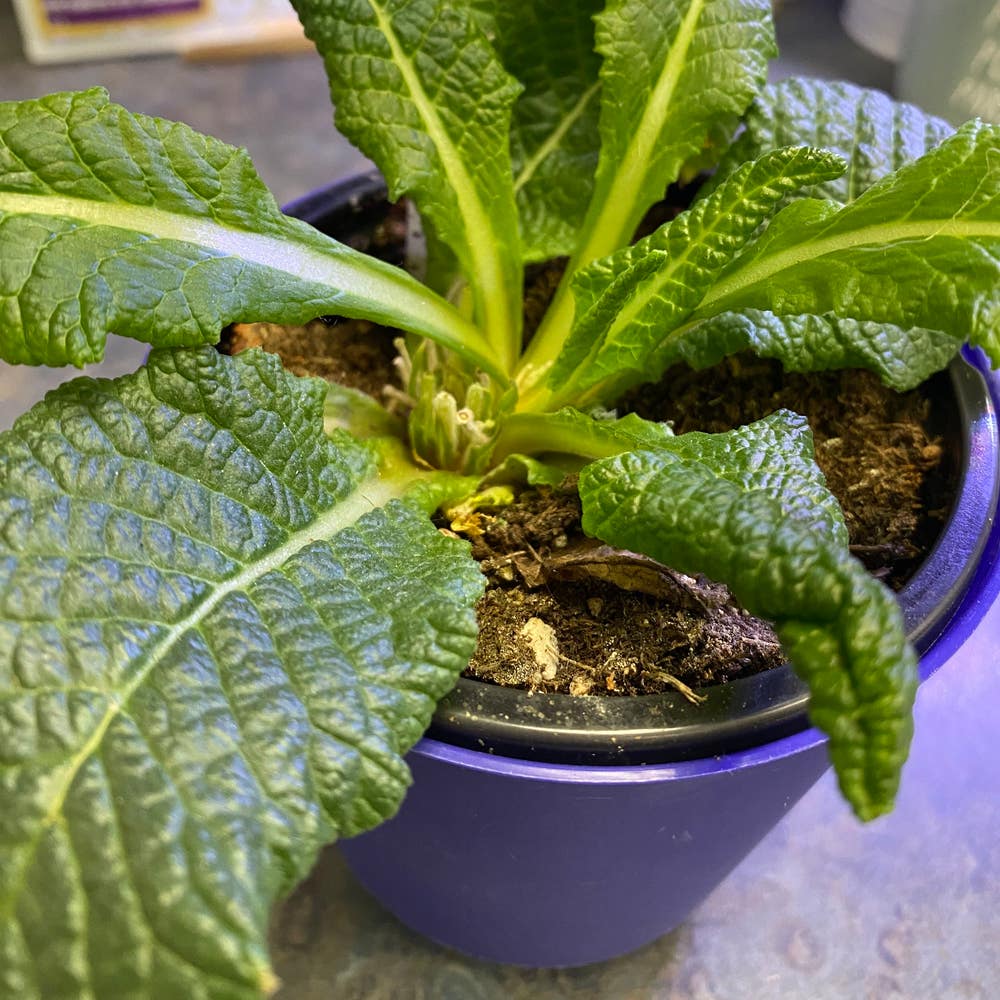
Best Soil for Japanese Primrose 🌸
Primula japonica
By the Greg Editorial Team
Aug 27, 2024•6 min read
This article was created with the help of AI so we can cover more plants for you. May contain errors. See one? Report it here.
Unlock vibrant Japanese primrose growth by mastering essential soil care techniques! 🌱🧪
- 🌱 Unhealthy soil indicators include mold, compaction, and poor drainage affecting Japanese primrose.
- 🧪 Test soil health with pH kits and moisture meters for optimal growth conditions.
- 🌿 Ideal soil mix combines peat moss, perlite, and compost for thriving plants.
Identifying Unhealthy Soil
Signs of Unhealthy Soil 🌱
Recognizing unhealthy soil is crucial for the vitality of your Japanese primrose. One of the most telling signs is moldy soil, which indicates excessive moisture and poor air circulation. Mold can suffocate roots and lead to plant decline.
Another red flag is compaction. Compacted soil restricts root growth, making it difficult for plants to access essential nutrients and water. Look for hard, crusty surfaces or areas where water pools instead of soaking in.
Lastly, poor drainage is a significant concern. If you notice standing water after rain or watering, your soil may not be draining properly, which can lead to root rot and other issues.
How to Test Soil Health 🧪
Testing your soil health is straightforward and can save your plants from distress. Start with pH testing. You can use a simple soil pH kit, following the instructions to determine if your soil is too acidic or alkaline for optimal growth.
Next, assess moisture levels. Stick your finger into the soil about an inch deep; if it feels dry, it’s time to water. Alternatively, a moisture meter can provide a more precise reading.
Finally, observe visual indicators. Healthy plants will exhibit vibrant leaves and robust growth. If your plants are wilting or yellowing, it may signal underlying soil issues.
Common Soil Problems and Their Solutions 🛠️
Dealing with soil problems can feel daunting, but solutions are often simple. For moldy soil, improve air circulation by spacing out plants and adjusting watering habits. Reducing moisture can significantly mitigate mold growth.
If you’re facing compaction, consider aerating your soil. You can use a garden fork to create holes, allowing air and water to penetrate deeper. This will enhance root access and overall soil health.
For drainage issues, adding materials like perlite or sand can make a world of difference. These amendments improve soil structure, allowing excess water to flow away and preventing root rot.
Understanding these signs and solutions will empower you to create a thriving environment for your Japanese primrose. With a solid foundation in soil health, you can move on to crafting the perfect homemade soil mix.
Creating a Homemade Soil Mix
🍂 Ingredients for an Ideal Soil Mix
Creating the perfect soil mix starts with the right ingredients.
Peat Moss
Peat moss plays a crucial role in moisture retention and helps improve soil structure. It keeps the soil light and fluffy, making it easier for roots to grow.
Perlite
Perlite is a game-changer for drainage and aeration. This volcanic glass helps prevent soil compaction, ensuring that roots have access to air and water.
Compost
Compost is your go-to nutrient source. It enriches the soil with essential nutrients, promoting healthy plant growth and enhancing organic matter.
🛠️ Step-by-Step Guide to Mixing Soil
Ready to mix your soil? Follow these simple steps.
- Gather Materials: Collect peat moss, perlite, compost, and any additional amendments you might need.
- Mixing Ratios: Aim for a blend of 2 parts peat moss, 1 part perlite, and 1 part compost for optimal results.
- Combining Ingredients: Use a shovel or your hands to thoroughly mix the ingredients. Ensure everything is evenly distributed for a uniform texture.
⚖️ Adjusting Soil pH and Nutrients for Optimal Growth
Now that you have your mix, it’s time to fine-tune it.
Testing and Adjusting pH
Test your soil's pH using a simple kit. If it’s too acidic, add lime; if it’s too alkaline, incorporate sulfur to bring it down.
Nutrient Enhancement
Boost nutrient levels by adding organic fertilizers. This will provide your plants with the essential elements they need to thrive.
Monitoring Soil Nutrients
Regularly check your soil’s nutrient levels. This ensures that it remains rich and supportive for your plants.
With your homemade soil mix ready, you’re well on your way to nurturing healthy Japanese primrose. Next, let’s explore soil amendments and enhancements to further improve your soil quality.
Soil Amendments and Enhancements
Recommended Amendments for Improving Soil Quality 🌱
To enhance soil quality, consider using lime and sulfur. Lime raises soil pH and boosts calcium levels, while sulfur effectively lowers pH, improving acidity for acid-loving plants.
Understanding the difference between organic and inorganic amendments is crucial. Organic amendments, like compost, enrich soil over time, while inorganic options provide quick nutrient fixes.
Benefits of Organic vs. Inorganic Amendments 🌿
Organic amendments offer long-term benefits, improving soil structure and promoting microbial life. They create a healthier ecosystem, which is essential for robust plant growth.
In contrast, inorganic amendments deliver immediate results, addressing nutrient deficiencies quickly. When choosing between the two, assess your soil condition and specific plant needs.
How to Incorporate Amendments into Existing Soil 🧑🌾
For effective application, evenly distribute amendments across the soil surface. This ensures that nutrients reach the root zone where they are most needed.
Timing is key for maximum effectiveness. Apply amendments during the growing season or just before planting to give them time to integrate into the soil.
Finally, monitor the results closely. Observe changes in plant health and soil quality to gauge the effectiveness of your amendments and adjust your approach as needed.
With these strategies, you can significantly improve your soil's health, setting the stage for thriving Japanese primrose and other plants.
Seasonal Soil Considerations
🌦️ Adjusting Soil Care with Seasonal Changes
Soil care varies significantly between winter and summer. In winter, focus on protecting the soil from harsh conditions, while summer requires strategies to combat heat and dryness.
Maintaining moisture levels year-round is crucial for healthy plants. Techniques like mulching and regular watering can help retain moisture during the hotter months.
💧 Seasonal Soil Moisture Management
To retain moisture in summer, consider using mulch. This not only conserves water but also regulates soil temperature.
In winter, prevent waterlogging by adjusting drainage practices. Ensure that your soil can handle excess moisture without becoming saturated.
Regular seasonal soil testing is essential. It helps you adapt to changing conditions and ensures your soil remains healthy.
🌱 Preparing Soil for Planting in Spring
A spring soil preparation checklist can set you up for success. Start by clearing debris and testing the soil for nutrients.
Incorporating organic matter, such as compost or well-rotted manure, enriches the soil. This boosts fertility and improves structure.
Timing is key for soil amendments. Apply them a few weeks before planting to maximize their benefits and ensure optimal conditions for your plants.
With these seasonal considerations, you’ll create a thriving environment for your Japanese primrose and other plants. Next, let’s explore how to create a homemade soil mix tailored to their needs.
⚠️ Safety First
This content is for general information and may contain errors, omissions, or outdated details. It is not medical, veterinary advice, or an endorsement of therapeutic claims.
Always consult a qualified healthcare professional before using any plant as food, medicine, or supplement.
Never eat any plant (or feed one to pets) without confirming its identity with at least two trusted sources.
If you suspect poisoning, call Poison Control (800) 222-1222, the Pet Poison Helpline (800) 213-6680, or your local emergency service immediately.
Spotted an error? Please report it here.
Cultivate thriving Japanese primrose 🌼 by using Greg's tailored soil care tips and reminders to keep your soil healthy and your plants flourishing!