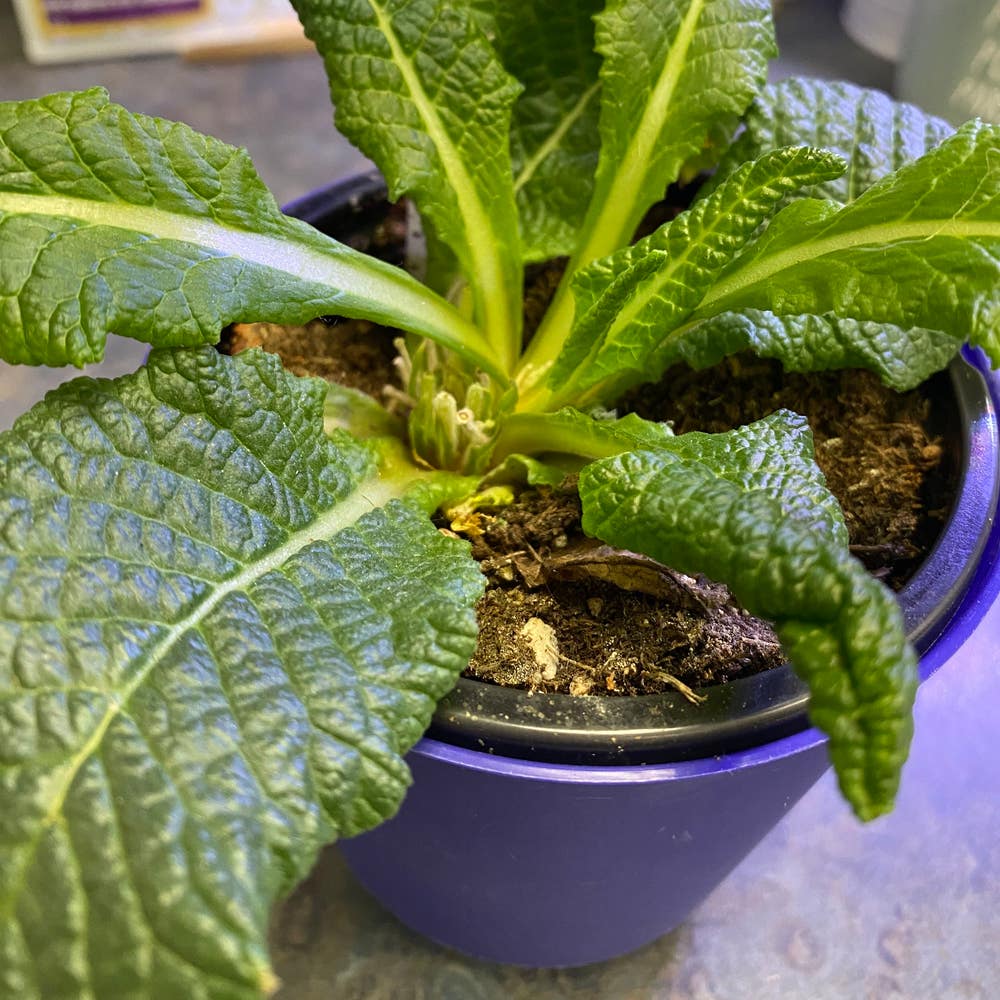
Japanese Primrose Hardiness Zones: 4a-8b
Primula japonica
By the Greg Editorial Team
Aug 27, 2024•5 min read
This article was created with the help of AI so we can cover more plants for you. May contain errors. See one? Report it here.
Master temperature tolerance for Japanese Primrose 🌱 and enjoy vibrant blooms in any climate! 🌸
- 🌱 Japanese Primrose thrives in USDA Zones 4a-8b, suitable for diverse climates.
- ❄️ Cold-tolerant down to -30°F, but late frosts can hinder growth.
- 💧 Moist, well-drained soil and partial shade are crucial for optimal health.
Temperature Tolerance
❄️ Cold Tolerance
Japanese Primrose thrives in cold climates, with a remarkable tolerance down to -30°F (-34°C) in USDA Zone 4a. This resilience allows it to endure harsh winters, making it a favorite for gardeners in cooler regions.
Frost tolerance is crucial for early spring growth. While these plants can handle cold, late frosts can still pose a risk, potentially stunting their development.
🔥 Heat Tolerance
On the flip side, Japanese Primrose prefers temperatures up to 85°F (29°C) for optimal growth. Beyond this range, the plant may struggle, affecting its overall health and flowering.
Prolonged heat can lead to wilting and reduced blooms. It's essential to monitor conditions, especially during heatwaves, to ensure the plant remains vibrant.
🌡️ Impact of Temperature Extremes
Extreme cold can cause frost damage, leading to stunted growth and reduced vigor. Gardeners should be mindful of sudden temperature drops, as they can significantly impact plant health.
High temperatures also affect moisture retention. When the heat rises, the plant may require more water to maintain its flowering potential and overall vitality.
Ideal Growing Regions
🌟 Suitable US States
When it comes to growing Japanese Primrose, certain states shine brighter than others. The ideal locations include:
- Washington
- Oregon
- New York
- Pennsylvania
- North Carolina
Conversely, states like Florida, Texas, Arizona, and Nevada are less suitable due to their extreme climates.
💧 Contributing Factors
Moisture availability plays a crucial role in the success of Japanese Primrose. These plants thrive in moist, well-drained soil, which helps them establish strong roots.
Partial shade is another key factor. It protects the plants from heat stress, especially during the peak summer months.
🌦️ Regional Climate Characteristics
The climate in suitable regions tends to be temperate and moist. This environment fosters healthy growth and vibrant blooms.
Seasonal variations also impact growth. For instance, a cooler spring can delay flowering, while a warm fall may extend the blooming period, allowing gardeners to enjoy their beauty longer.
Understanding these regional characteristics can help you choose the best location for your Japanese Primrose, ensuring a thriving garden.
Microclimates
🌦️ Definition and Impact
Microclimates are localized climate zones that differ from the surrounding general climate. They can be influenced by various factors, such as elevation, proximity to water, and urban structures.
🌍 Factors Creating Microclimates
- Elevation: Higher altitudes often experience cooler temperatures.
- Proximity to Water: Bodies of water can moderate temperatures, creating milder conditions.
- Urban Structures: Buildings and roads can trap heat, leading to warmer microclimates.
🌱 Extending Growing Range
Microclimates can enable successful plant growth beyond typical hardiness zones. For instance, a garden nestled against a south-facing wall may enjoy warmer temperatures than the surrounding area.
🏙️ Urban vs. Rural Microclimates
Urban areas often have heat islands, where temperatures are higher due to human activity. In contrast, rural areas may offer cooler, more stable conditions, benefiting plant survival.
🌸 Effects on Japanese Primrose
Certain locations demonstrate how microclimates can enhance the growth of Japanese Primrose. For example, a garden near a lake may provide the moisture and warmth needed for thriving blooms.
🌿 Utilizing Microclimates
Gardeners can strategically use microclimates to boost plant health. Positioning plants in sheltered spots or near heat-retaining surfaces can lead to better growth outcomes.
In summary, understanding microclimates is crucial for optimizing the growth of Japanese Primrose. By leveraging these localized conditions, gardeners can create thriving environments for their plants. Next, we’ll explore state-level suitability analysis for Japanese Primrose cultivation.
State-Level Suitability Analysis
🌱 Suitable States
Japanese Primrose thrives in USDA zones 4a-8b, making several states ideal for its growth.
- Washington: Characterized by a temperate climate, it offers ample moisture and mild winters, perfect for healthy primrose development.
- Oregon: Similar to Washington, Oregon's moist conditions and moderate temperatures create a welcoming environment for these plants.
- New York: With its varied climate, New York provides suitable conditions, especially in the northern regions where winters are cold but manageable.
- Pennsylvania: The state’s well-drained soils and moderate rainfall support robust growth of Japanese Primrose.
- North Carolina: While warmer, certain areas maintain the right balance of moisture and shade, allowing for successful cultivation.
❌ Unsuitable States
On the flip side, some states fall outside the ideal hardiness zones for Japanese Primrose.
- Florida: The high humidity and extreme heat can stress the plants, leading to poor growth.
- Texas: With its scorching summers and limited moisture, Texas presents a challenging environment for these delicate flowers.
- Arizona: The arid climate and extreme temperature fluctuations make it unsuitable for Japanese Primrose.
- Nevada: Similar to Arizona, Nevada's dry conditions and high heat levels hinder the plant's survival.
📊 Suitability Analysis
Understanding the nuances of temperature ranges, frost dates, and moisture levels is crucial for successful cultivation.
- Temperature Ranges: Japanese Primrose prefers a cold tolerance down to -30°F and heat tolerance up to 85°F. States within this range can support its growth.
- Frost Dates: Early spring frost can damage young plants, so knowing local frost dates helps gardeners plan effectively.
- Moisture Levels: Adequate moisture is essential. States with well-drained, moist soils provide the best conditions for thriving plants.
These factors collectively influence the health and viability of Japanese Primrose, guiding gardeners in selecting the right location for their blooms. Understanding these elements can lead to a flourishing garden, setting the stage for the next discussion on microclimates and their unique benefits.
⚠️ Safety First
This content is for general information and may contain errors, omissions, or outdated details. It is not medical, veterinary advice, or an endorsement of therapeutic claims.
Always consult a qualified healthcare professional before using any plant as food, medicine, or supplement.
Never eat any plant (or feed one to pets) without confirming its identity with at least two trusted sources.
If you suspect poisoning, call Poison Control (800) 222-1222, the Pet Poison Helpline (800) 213-6680, or your local emergency service immediately.
Spotted an error? Please report it here.
Cultivating Japanese Primrose is a breeze 🌼 with Greg's tailored watering alerts and care tips, ensuring your plants flourish in any climate from Zones 4a to 8b!