🌸 Ultimate Guide to Japanese Primrose Flowers
Primula japonica
By the Greg Editorial Team
Aug 27, 2024•4 min read
This article was created with the help of AI so we can cover more plants for you. May contain errors. See one? Report it here.
Unlock the vibrant beauty of Japanese Primrose 🌸 and learn how to cultivate its resilience in your garden!
- 🌸 Japanese Primrose blooms in clusters from late spring to early summer, lasting 2-4 weeks.
- 🌈 Colors range from pale pink to deep purple, enhancing garden aesthetics year-round.
- 🌿 Low-maintenance and adaptable, it thrives in various environments, even in partial shade.
Flowering Status
Clarification on Flowering Status 🌸
Japanese Primrose is indeed a flowering plant, showcasing its beauty in clusters atop elegant flower spikes. These vibrant blooms typically emerge in late spring to early summer, influenced by the surrounding environmental conditions.
The sight of these flowers can be a delightful addition to any garden, bringing a splash of color as they flourish. Understanding their flowering status helps gardeners appreciate the timing and care needed for optimal growth.
If Japanese Primrose Flowers
🌸 Flower Characteristics
Description of Colors and Structure
Japanese Primrose flowers are a visual delight, showcasing a vibrant range of colors from pale pink to deep purple. Some cultivars even flaunt white or yellow hues, adding diversity to your garden.
The structure of these flowers is equally captivating. They typically feature a cup shape with five petals, which can be flat or slightly ruffled, creating a charming appearance.
Self-Pollination vs. External Pollination
Interestingly, Japanese Primrose is primarily self-pollinating. However, it can also benefit from cross-pollination by insects, enhancing genetic diversity.
🌼 Blooming Process
Stages of Blooming
The blooming process begins with bud formation, marked by the emergence of flower spikes. As the season progresses, flowers open sequentially from the bottom of the spike to the top, creating a stunning display.
Typical Bloom Time
You can expect blooms to appear from May to June, depending on your local climate. This timing allows for a beautiful spring to early summer show.
Duration from Bud to Full Bloom
From bud formation to full bloom, the process takes about 2-3 weeks. This relatively quick transition adds excitement to the gardening experience.
Lifespan of Flowers
Once in full bloom, the flowers typically last for 2-4 weeks before wilting. This lifespan provides ample time to enjoy their beauty.
🌱 Encouraging Blooms
Tips for Promoting Flowering
To encourage flowering, ensure your Japanese Primrose has adequate moisture. These plants thrive in consistently moist soil, so regular watering is key.
Additionally, providing partial shade can significantly enhance blooming. Too much direct sunlight can hinder flower production, so find that sweet spot.
Factors Influencing Blooms
Soil quality plays a crucial role in flowering success. Fertile, well-draining soil enhances growth and bloom quality.
Fertilization is another important factor. Using a balanced fertilizer during the growing season can promote vibrant blooms and overall plant health.
🌿 Post-Flowering
What Happens After Flowering
After flowering, the plant may enter a dormant phase, redirecting energy towards leaf growth. This period is essential for the plant's overall health.
Does It Die After Flowering?
No, Japanese Primrose does not die after flowering. It continues to grow and can bloom again in subsequent years, making it a resilient addition to your garden.
As you explore the vibrant world of Japanese Primrose, you'll find that their beauty and resilience make them a rewarding choice for any garden enthusiast. Next, let's delve into what happens if your Japanese Primrose doesn't flower.
If Japanese Primrose Doesn't Flower
🌿 Primary Ornamental or Functional Features
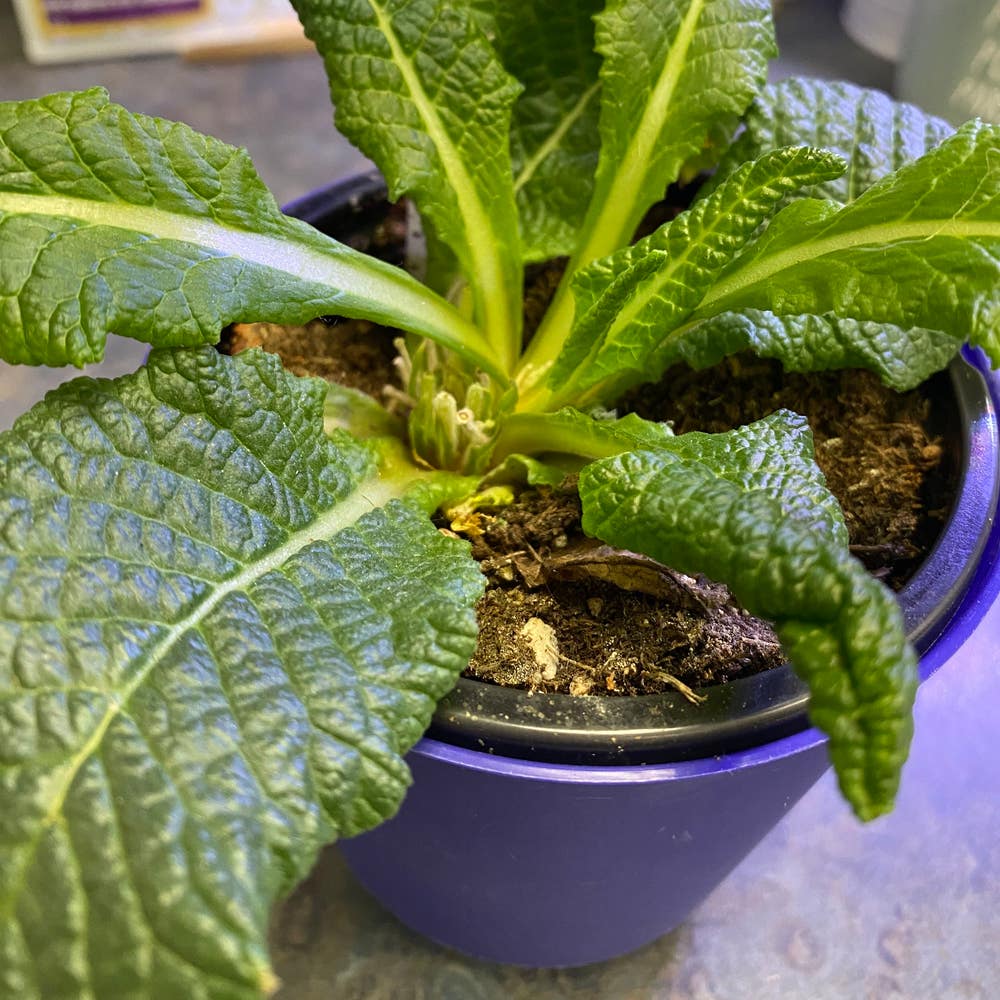
Even without flowers, Japanese Primrose boasts lush rosettes of leaves that can serve as attractive ground cover. This greenery adds visual interest to your garden, making it a valuable asset year-round.
The foliage itself varies in texture and color, enhancing the overall aesthetics of your outdoor space. Whether you prefer a vibrant display or subtle hues, these plants can adapt to your garden's style.
🌱 Reproductive Strategies Without Flowers
Interestingly, some Japanese Primrose varieties can reproduce without flowering. They often rely on vegetative means, such as offsets or division, allowing them to spread and thrive even in the absence of blooms.
This ability to propagate without flowers showcases the plant's resilience and adaptability. It’s a fascinating aspect that makes Japanese Primrose a unique choice for gardeners looking for low-maintenance beauty.
As we explore more about this remarkable plant, let’s delve into its unique characteristics and the trivia that makes it stand out in the world of gardening.
Unique Aspects
🌸 Unusual Characteristics Related to Flowering or Non-Flowering
Japanese Primrose stands out for its ability to thrive in shaded or partially shaded environments. This adaptability makes it a unique choice among flowering plants, allowing gardeners to enjoy its lush foliage even in less-than-ideal light conditions.
🤔 Trivia or Interesting Facts about Japanese Primrose's Reproductive Strategy
Certain cultivars of Japanese Primrose display varying flowering behaviors influenced by environmental factors like moisture levels and light exposure. This flexibility not only showcases the plant's resilience but also its ability to adapt to different garden settings.
The flower meaning associated with Japanese Primrose often reflects themes of resilience and adaptability, mirroring its native habitat. This symbolism adds an extra layer of appreciation for this beautiful plant, making it a meaningful addition to any garden.
As we explore the fascinating world of Japanese Primrose, it's clear that its unique characteristics and reproductive strategies offer much to admire. Next, we’ll delve into the ornamental and functional features of this remarkable plant.
⚠️ Safety First
This content is for general information and may contain errors, omissions, or outdated details. It is not medical, veterinary advice, or an endorsement of therapeutic claims.
Always consult a qualified healthcare professional before using any plant as food, medicine, or supplement.
Never eat any plant (or feed one to pets) without confirming its identity with at least two trusted sources.
If you suspect poisoning, call Poison Control (800) 222-1222, the Pet Poison Helpline (800) 213-6680, or your local emergency service immediately.
Spotted an error? Please report it here.
Cultivate stunning Japanese Primrose blooms 🌼 with Greg's tailored watering reminders and care tips, ensuring your garden flourishes beautifully all season long!