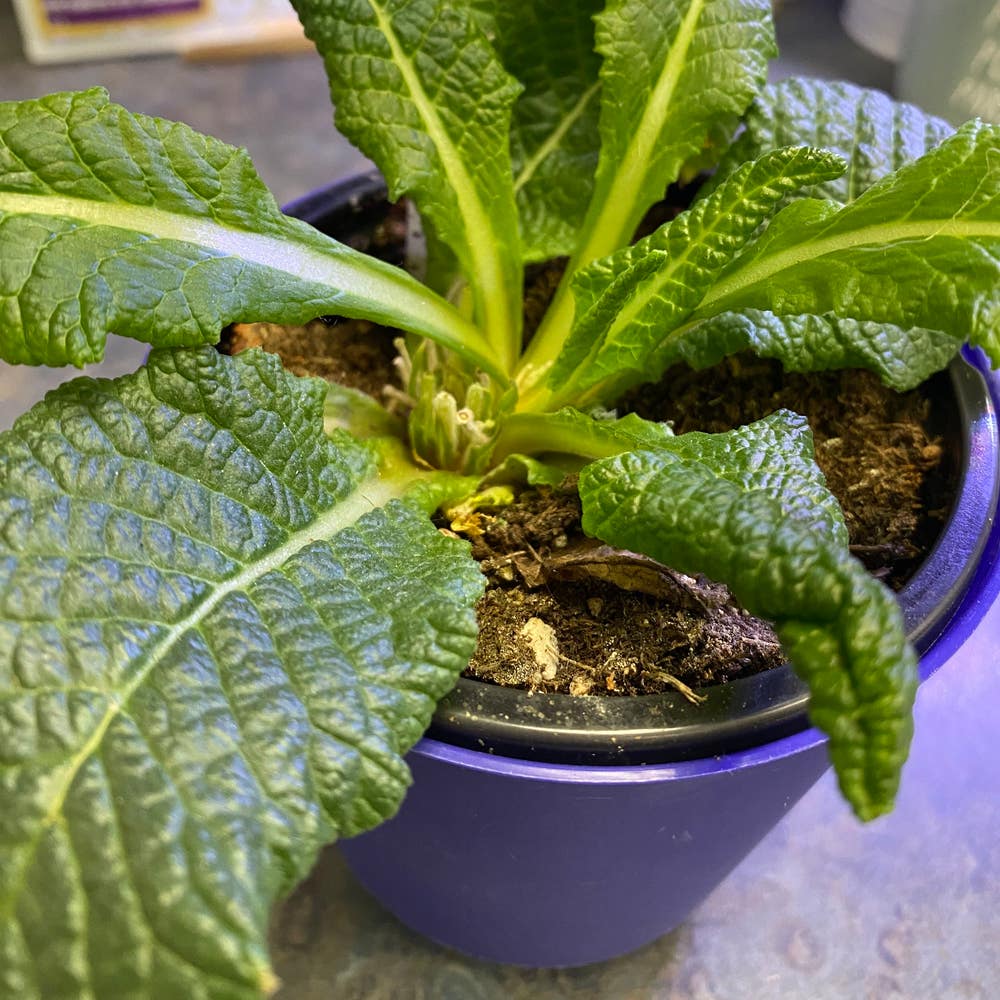
🌸 Ultimate Guide to Fixing Droopy Leaves on Japanese Primrose
Primula japonica
By the Greg Editorial Team
Aug 27, 2024•7 min read
This article was created with the help of AI so we can cover more plants for you. May contain errors. See one? Report it here.
Transform your droopy Japanese Primrose into a thriving beauty 🌿 with essential care tips and solutions for vibrant leaves!
- 💧 Overwatering and underwatering both cause droopy leaves; adjust watering accordingly.
- 🌱 Nutrient deficiencies can lead to pale leaves; use balanced fertilizer for recovery.
- 🐛 Pests like aphids stress plants; regular inspections and organic treatments are essential.
Causes of Droopy Leaves
💧 Overwatering and Its Effects
Overwatering is a common issue that can lead to droopy leaves on your Japanese Primrose. Symptoms include yellowing leaves, mushy stems, and root rot, which can severely impact plant health.
While these plants thrive in consistently moist conditions, they can suffer from waterlogged soil. Compacted soil can worsen overwatering problems, making proper drainage crucial.
🚰 Underwatering and Dehydration
On the flip side, underwatering can also cause droopy leaves. Signs include wilting leaves, dry soil, and crispy leaf edges, indicating that your plant is in distress.
Regular watering is essential to maintain soil moisture levels for healthy leaves. If your plant is underwatered, consider rehydration techniques that restore moisture without shocking the plant.
🥦 Nutrient Deficiencies
Nutrient deficiencies can significantly affect leaf health. Common culprits include nitrogen, potassium, and magnesium, leading to symptoms like pale leaves, stunted growth, and poor flowering.
Balanced fertilization is vital for optimal growth. Understanding your plant's nutrient needs will help you keep those leaves vibrant and healthy.
🐛 Pest Infestations
🐜 Common Pests
Aphids and spider mites are two pests that can wreak havoc on your Japanese Primrose. Look for curled leaves and sticky residue for aphids, while spider mites leave fine webbing and stippled leaves.
⚠️ Impact on Leaf Health
These pests contribute to droopy leaves through their sap-sucking behavior, which stresses the plant. Early detection and intervention are key to preventing further damage.
🌡️ Environmental Stress
🌡️ Temperature
Japanese Primrose prefers a temperature range of 15°C to 25°C (59°F to 77°F). Extreme temperatures can cause leaf droop as a stress response, so keep an eye on your plant's environment.
🌬️ Humidity
Moderate to high humidity levels are ideal for these plants. Signs of low humidity include leaf curling and drooping, indicating that your Primrose may need a more humid environment.
Understanding these causes will help you identify issues early and take action to restore your plant's health. Next, we’ll explore how to diagnose the specific problems affecting your Japanese Primrose.
Diagnosing the Problem
🌊 Signs of Overwatering vs. Underwatering
Identifying whether your Japanese Primrose is overwatered or underwatered is crucial for its health. Look for visual cues: overwatered plants often have yellowing leaves and mushy stems, while underwatered ones display wilting leaves and dry soil.
Checking root health is essential. Gently remove the plant from its pot and inspect the roots for signs of rot or dryness.
🐛 Identifying Pests and Their Impact
Pests can wreak havoc on your Primrose, so early detection is key. Use visual inspection and sticky traps to identify common pests like aphids and spider mites.
Assess the damage they cause. Pests suck sap from the leaves, leading to droopiness and stress on the plant.
💧 Checking Soil Moisture Levels
Maintaining the right soil moisture is vital for your plant's well-being. You can test moisture levels using the finger test, a moisture meter, or by comparing the weight of the pot when dry versus when watered.
Aim for consistently moist soil, but avoid sogginess. This balance is crucial for healthy leaf growth.
🌤️ Assessing Environmental Conditions
Environmental factors significantly affect your Primrose's health. Start by evaluating light exposure; ensure your plant receives adequate shade to prevent leaf scorch.
Next, monitor temperature and humidity. Use hygrometers and thermometers to keep track of these conditions, as they play a vital role in your plant's overall health.
By diagnosing these issues, you can take the necessary steps to restore your Japanese Primrose to its vibrant self. Understanding these signs will lead you to effective solutions for droopy leaves.
Solutions for Droopy Leaves
🌊 Adjusting Watering Practices
To keep your Japanese Primrose thriving, aim to water every 2-3 days during the growing season. Deep watering is key; it encourages roots to grow strong and reach deeper into the soil.
🕳️ Improving Soil Drainage
Soil drainage is crucial for healthy plants. Incorporate perlite or sand into your soil mix to enhance drainage and prevent waterlogging.
Using pots with drainage holes is essential for potted Primrose. This simple step can make a significant difference in preventing droopy leaves.
🌱 Fertilization Tips to Avoid Burn
Balanced NPK fertilizers are your best bet for promoting healthy growth. Apply these during the growing season, but steer clear of fertilizing in late fall to avoid stressing your plant.
🐞 Pest Control Methods
Keep your Primrose safe from pests with organic options like neem oil and insecticidal soap. Regularly check for signs of pests each week to catch any issues early.
🌬️ Environmental Adjustments
Increasing humidity can work wonders for your plant. Consider using pebble trays or misting your Primrose to create a more favorable environment.
Temperature control is also vital. Relocate your plants to avoid extreme heat or cold, ensuring they stay within their ideal temperature range.
By implementing these solutions, you can help your Japanese Primrose regain its vitality and prevent droopy leaves in the future. Next, let’s explore some preventative measures to keep your plant healthy year-round.
Preventative Measures
💧 Best Practices for Watering
Establishing a consistent watering schedule is crucial for the health of your Japanese Primrose. Consider using the Greg plant care app for timely reminders to keep your watering routine on track.
Check the soil moisture regularly to ensure it’s neither too dry nor soggy. Healthy leaves are a good indicator of proper watering; they should be firm and vibrant.
🌱 Soil Selection and Amendments
Choosing the right soil is essential for your plant's success. Aim for well-draining, moisture-retentive soils that provide the right balance for your Primrose.
Incorporate organic matter into your soil to improve its structure. This will enhance drainage and retain moisture, creating an ideal environment for growth.
🐞 Regular Pest Inspections
Conduct regular pest inspections every 1-2 weeks during the growing season. Early detection is key to preventing infestations from escalating and causing significant damage.
Look for any unusual signs on your leaves, such as discoloration or sticky residue. Catching pests early can save your plant from stress and droopiness.
🌦️ Seasonal Care Tips
Adjust your care routine based on the seasons. Increase watering during the hot summer months while reducing it in winter when the plant is less active.
Understanding seasonal growth cycles will help you prepare for dormancy. This knowledge ensures your Japanese Primrose remains healthy year-round.
With these preventative measures in place, you can maintain the vitality of your Japanese Primrose. Next, let’s explore effective recovery techniques for droopy leaves.
Recovery Techniques
Step-by-Step Recovery for Overwatered Plants 🌊
Assess root health: Carefully remove the plant from its pot and inspect the roots for any signs of rot.
Trim damaged roots: Use clean scissors to cut away any mushy or blackened areas, ensuring you only leave healthy roots.
Repot in fresh, well-draining soil: Choose a potting mix that allows for good drainage to prevent future issues.
Rehydration Methods for Underwatered Plants 💧
Soak the plant: Place the pot in a basin of water for about 30 minutes to help the soil absorb moisture.
Gradual reintroduction of moisture: After soaking, water lightly over the next few days to avoid shocking the plant.
Monitoring and Adjusting Care Post-Recovery 🔍
Importance of consistent care: Keep an eye on moisture and nutrient levels to support recovery.
Signs of recovery: Look for new growth and improved leaf turgor as indicators that your plant is bouncing back.
By following these recovery techniques, you can help your Japanese Primrose regain its vitality. Next, let’s explore preventative measures to keep your plant healthy and thriving.
⚠️ Safety First
This content is for general information and may contain errors, omissions, or outdated details. It is not medical, veterinary advice, or an endorsement of therapeutic claims.
Always consult a qualified healthcare professional before using any plant as food, medicine, or supplement.
Never eat any plant (or feed one to pets) without confirming its identity with at least two trusted sources.
If you suspect poisoning, call Poison Control (800) 222-1222, the Pet Poison Helpline (800) 213-6680, or your local emergency service immediately.
Spotted an error? Please report it here.
Keep your Japanese Primrose thriving 🌿 by using Greg's tailored care reminders to master watering, nutrients, and pest control for lush, healthy leaves!