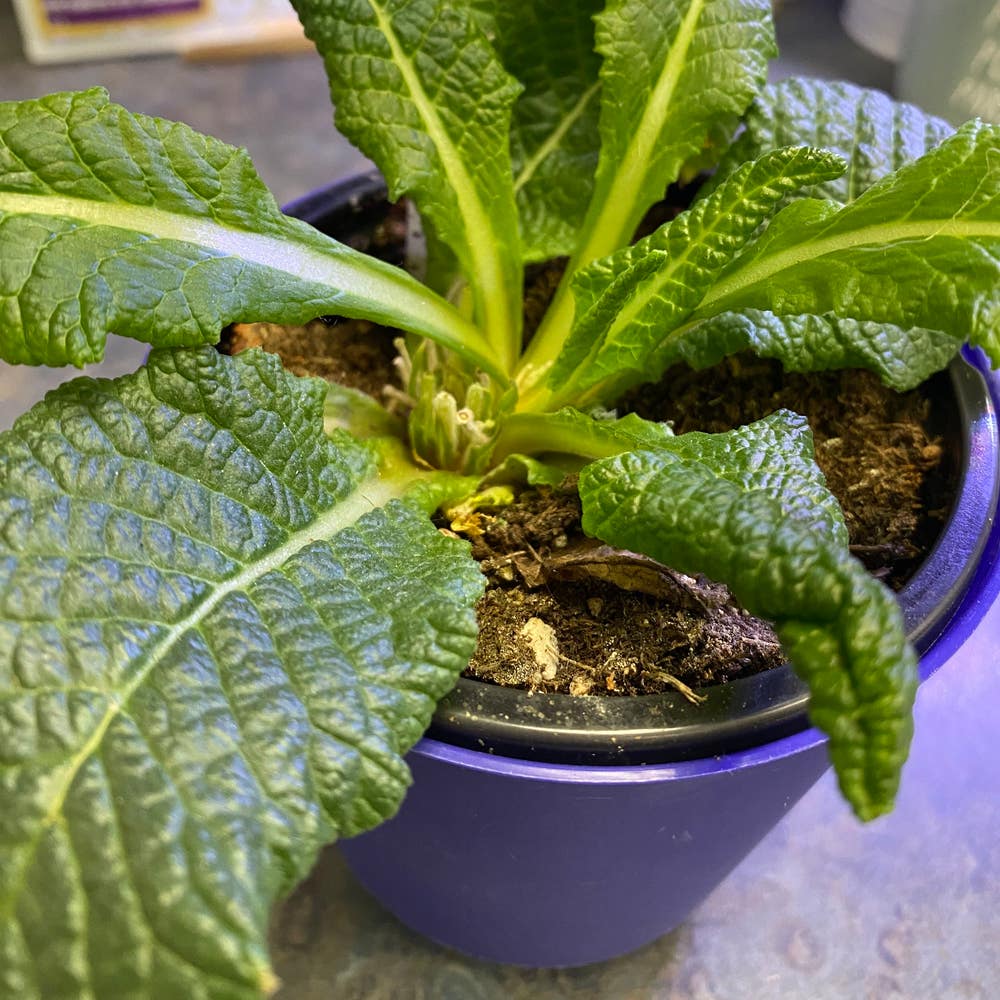
🌸 Ultimate Guide to Propagating Japanese Primrose
Primula japonica
By the Greg Editorial Team
Aug 27, 2024•5 min read
This article was created with the help of AI so we can cover more plants for you. May contain errors. See one? Report it here.
Master Japanese Primrose propagation 🌱 to effortlessly cultivate a lush garden filled with vibrant blooms!
- 🌱 Collect seeds in late summer for optimal Japanese Primrose propagation success.
- 🌿 Use well-draining soil with pH 6.0-7.0 for healthy growth.
- 🌞 Maintain 60°F-70°F temperatures and indirect light for effective germination.
Seed Propagation
🌱 Collecting Seeds
Timing is crucial when collecting seeds from Japanese Primrose. Aim for late summer to early fall, ensuring the seed pods are dry for optimal harvesting.
To collect, gently shake the seed pods, allowing the seeds to fall into a paper bag. Store these seeds in a cool, dry place until you're ready to sow them.
🏗️ Preparing the Soil
The right soil mix is essential for successful propagation. Use a well-draining, moisture-retentive mix, such as a combination of peat moss and perlite.
Aim for a slightly acidic to neutral pH level, ideally between 6.0 and 7.0. Pre-soaking the soil mix can also help ensure it retains moisture effectively.
🌾 Sowing Seeds
When it comes to sowing, depth matters. Place seeds on the surface or lightly cover them with soil, about 1/8 inch deep.
Space the seeds 1-2 inches apart to give them room to grow. Mist the surface gently to avoid displacing the seeds while ensuring they receive moisture.
🌡️ Germination Process
Temperature plays a significant role in germination. Maintain a consistent temperature between 60°F to 70°F (15°C to 21°C) for the best results.
Provide indirect light to prevent drying out; direct sunlight can be too harsh. Expect to see germination within 2-4 weeks.
🌳 Transplanting Seedlings
Timing your transplant is key. Move seedlings when they have developed 2-3 true leaves for the best chance of survival.
Space the seedlings 6-12 inches apart in their new location to allow for healthy growth. Gradually acclimate them to outdoor conditions over 7-10 days to ensure a smooth transition.
With these steps, you’ll be well on your way to successfully propagating Japanese Primrose from seeds. Next, let’s explore cutting propagation, another effective method for expanding your garden.
Division Propagation
🕰️ When to Divide
Timing is crucial for successful division. The best time to divide Japanese Primrose is in early spring or fall when the plant is not actively blooming.
Look for signs that indicate it's time to divide. If the plant becomes overcrowded or its blooms start to diminish, it’s a clear signal that division is needed.
🛠️ Tools Needed for Division
Gather the right tools before you start. A sharp spade or garden fork is essential for lifting the plant without damaging it.
You'll also need a clean, sharp knife for cutting through the roots. Don't forget gloves to protect your hands from soil and plant sap.
📋 Step-by-Step Division Process
Follow these steps for effective division:
- Water the plant thoroughly a day before division to ease the process.
- Carefully lift the entire clump from the ground, taking care not to damage the roots.
- Gently separate the roots into smaller sections, ensuring each has at least one crown and healthy roots.
- Replant divisions immediately in prepared soil to minimize stress.
🌱 Post-Division Care
After replanting, water thoroughly to help settle the soil around the roots. This step is vital for establishing the new plants.
Consider applying a layer of mulch to retain moisture and suppress weeds.
Finally, monitor the plants closely for signs of stress or wilting in the weeks following division. This attention will help ensure their successful establishment.
With these steps, you can enjoy a thriving garden of Japanese Primrose, ready to flourish in its new space. Next, let’s explore common challenges you might encounter during propagation.
Common Challenges
Pests and Diseases 🐛
Japanese Primrose can face a few pesky challenges. Aphids and slugs are common culprits that can wreak havoc on seedlings and cuttings.
Root rot is another concern, especially if the soil remains too wet. Always ensure proper drainage to keep your plants healthy.
Environmental Factors Affecting Propagation 🌤️
Light plays a crucial role in the propagation process. Insufficient light can hinder both germination and rooting, so make sure your plants get enough indirect sunlight.
Temperature is equally important. Extreme conditions can stress your plants, so aim to maintain optimal temperatures for healthy growth.
Troubleshooting Poor Germination or Rooting 🧐
If you're experiencing poor germination or rooting, start by checking soil moisture levels. Make sure the soil isn’t too dry or waterlogged.
Next, evaluate your light conditions. Adjust the exposure as needed to give your plants the best chance to thrive.
Lastly, assess the health of your cuttings. Ensure they come from healthy plants to maximize your success in propagation.
By addressing these common challenges, you can set your Japanese Primrose up for a thriving future. Now, let’s explore the seasonal considerations that can further enhance your propagation efforts.
Seasonal Considerations
Best Seasons for Each Method 🌱
Timing is everything when it comes to propagating Japanese Primrose.
- Seed Propagation: Late summer to early fall is ideal for collecting seeds. This is when the pods are dry and ready for harvest.
- Cutting Propagation: Early spring or late summer works best for taking cuttings. These seasons provide the right conditions for healthy growth.
- Division Propagation: Aim for early spring or fall. This timing helps minimize stress on the plant.
Climate Considerations ☁️
Understanding the climate needs of Japanese Primrose is crucial for successful propagation.
- Humidity: This plant thrives in consistently moist conditions. Using humidity domes for cuttings can create the perfect environment.
- Temperature: Moderate temperatures are essential for optimal growth and rooting. Keeping your plants in a stable climate can make all the difference.
By paying attention to these seasonal and climate factors, you can enhance your chances of successful propagation. Next, let’s dive into common challenges you might face during this process.
⚠️ Safety First
This content is for general information and may contain errors, omissions, or outdated details. It is not medical, veterinary advice, or an endorsement of therapeutic claims.
Always consult a qualified healthcare professional before using any plant as food, medicine, or supplement.
Never eat any plant (or feed one to pets) without confirming its identity with at least two trusted sources.
If you suspect poisoning, call Poison Control (800) 222-1222, the Pet Poison Helpline (800) 213-6680, or your local emergency service immediately.
Spotted an error? Please report it here.
Propagate your Japanese Primrose like a pro 🌱 with Greg's tailored reminders and expert tips, ensuring your plants thrive in perfect conditions!