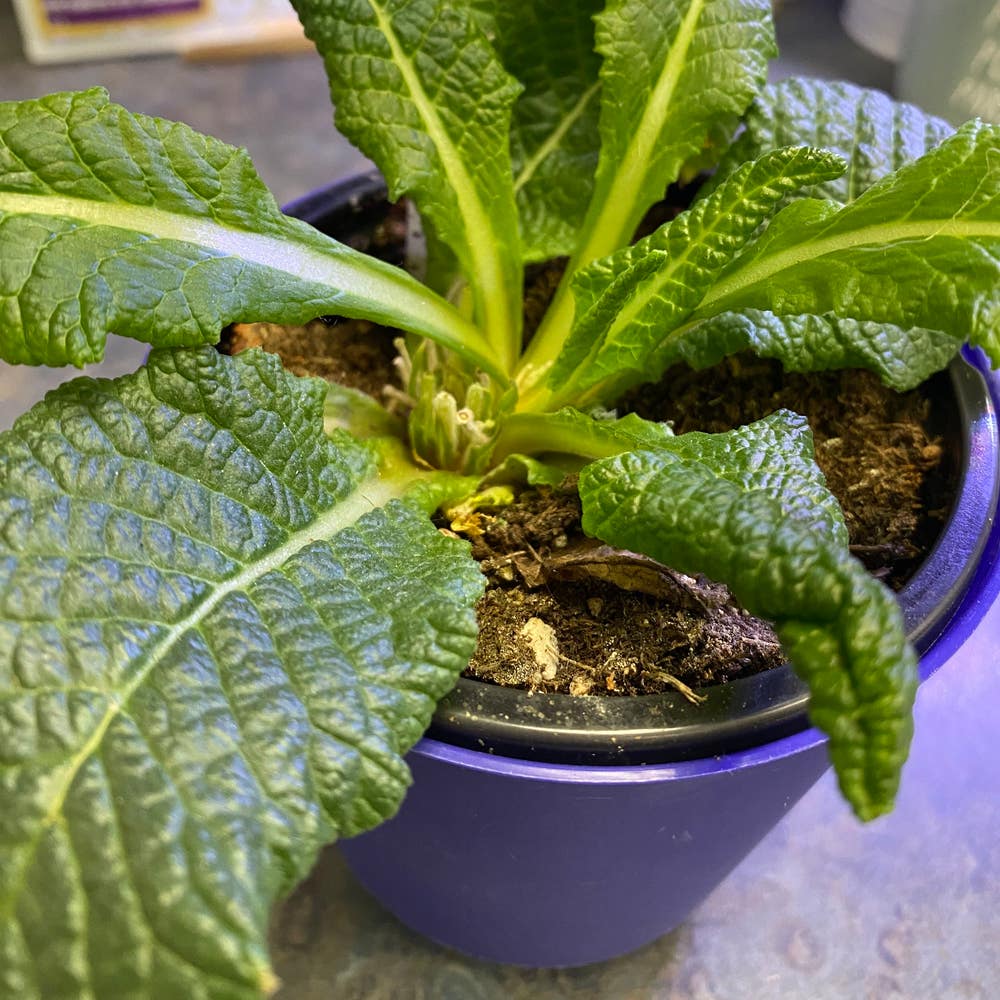
☀️ Direct Sunlight and Your Japanese Primrose
Primula japonica
By the Greg Editorial Team
Aug 27, 2024•3 min read
This article was created with the help of AI so we can cover more plants for you. May contain errors. See one? Report it here.
Master the sunlight needs of Japanese Primrose 🌸 to ensure vibrant blooms and healthy growth all year round!
- 🌞 Japanese Primrose thrives in partial shade, avoiding excessive direct sunlight for optimal growth.
- 🌿 Leaf scorch from too much sun causes brown edges and wilting; monitor exposure.
- 🏡 Window direction matters: north-facing offers ideal indirect light for your Primrose.
Sunlight Tolerance of Japanese Primrose
🌤️ Does Japanese Primrose Need Direct Sunlight?
Japanese Primrose thrives best in partial shade rather than full sun. In its native habitat, it flourishes in wet, shaded areas of Japan, where it enjoys cooler temperatures and filtered light.
☀️ Can Japanese Primrose Tolerate Direct Sunlight?
While it can tolerate some direct sunlight, its capacity is limited. Certain varieties may handle more sun than others, but generally, they prefer a gentler light exposure.
🔆 Effects of Too Much Direct Sunlight
Excessive direct sunlight can lead to leaf scorch, which manifests as brown edges, wilting, and faded colors. Over time, too much sun can stunt growth and reduce flowering, impacting the plant's overall health and beauty.
Understanding these sunlight preferences is crucial for nurturing your Japanese Primrose effectively. Next, we’ll explore how window direction plays a significant role in providing the right light exposure for these lovely plants.
Window Direction and Sunlight
🌞 Importance of Window Direction for Light Exposure
The direction of your windows plays a crucial role in how much sunlight your Japanese Primrose receives. South-facing windows offer the most direct sunlight, making them ideal for sun-loving plants, but not for our shade-preferring primrose.
In contrast, north-facing windows typically provide indirect light, which is gentler and more suitable for these delicate flowers. Understanding this can help you create the perfect environment for your Japanese Primrose to thrive.
🪟 Recommendations for Window Placement
For optimal growth, place your Japanese Primrose near east or north-facing windows. These locations provide the right balance of light without overwhelming the plant.
To further protect your primrose from harsh sunlight, consider using sheer curtains. They can diffuse intense rays, creating a softer light that promotes healthy growth while still allowing your plant to bask in the glow it loves.
With the right window placement and light management, your Japanese Primrose can flourish beautifully. Next, let’s explore how geographic factors influence sunlight exposure for these charming plants.
Geographic Considerations
🌍 Role of Hemisphere in Sunlight Exposure
The Northern and Southern Hemispheres experience sunlight differently, impacting how we care for our Japanese Primrose. In the Northern Hemisphere, longer summer days provide ample light, while the Southern Hemisphere enjoys shorter days during winter, affecting plant growth and health.
Understanding these differences is crucial for optimal care. For instance, if you're in the Northern Hemisphere, your Primrose may thrive with more light during summer but require more shade as winter approaches.
☀️ Seasonal Variations in Sunlight Intensity
Seasons play a significant role in sunlight duration and intensity. In spring and summer, longer days mean more sunlight, which can be beneficial but also overwhelming if not managed properly.
As the seasons change, so should your care routine. Adjusting watering and light exposure based on seasonal variations ensures your Japanese Primrose remains healthy and vibrant throughout the year.
🌦️ Climate Considerations
Japanese Primrose thrives in specific climate conditions found in its native habitats. These areas are typically cool and humid, providing the ideal environment for growth.
When growing this plant outside its native range, consider local climate factors. Humidity and temperature adaptations are essential for maintaining its health, so be prepared to adjust your care strategies accordingly.
⚠️ Safety First
This content is for general information and may contain errors, omissions, or outdated details. It is not medical, veterinary advice, or an endorsement of therapeutic claims.
Always consult a qualified healthcare professional before using any plant as food, medicine, or supplement.
Never eat any plant (or feed one to pets) without confirming its identity with at least two trusted sources.
If you suspect poisoning, call Poison Control (800) 222-1222, the Pet Poison Helpline (800) 213-6680, or your local emergency service immediately.
Spotted an error? Please report it here.
Keep your Japanese Primrose thriving in partial shade 🌞 with Greg's tailored light and watering reminders that ensure it gets just the right amount of care!