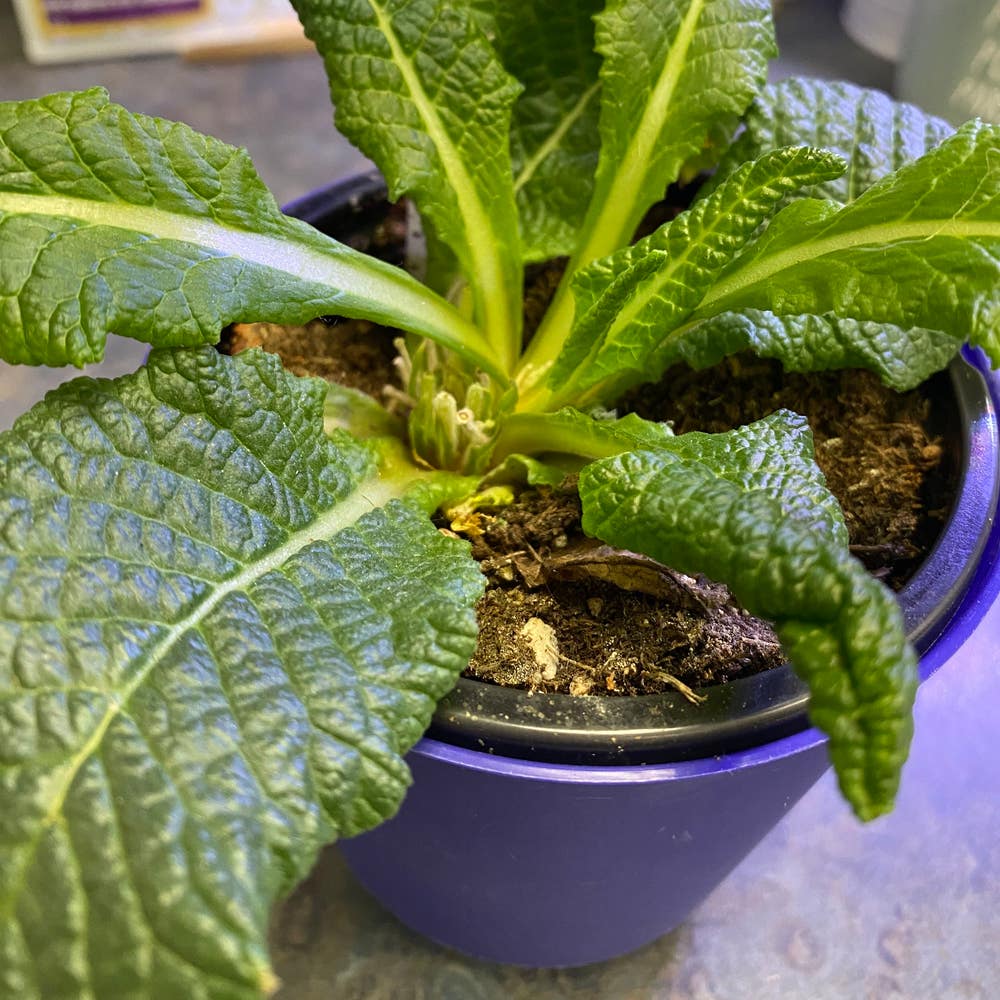
Why Japanese Primrose Is A Perennial Plant
Primula japonica
By the Greg Editorial Team
Aug 27, 2024•6 min read
This article was created with the help of AI so we can cover more plants for you. May contain errors. See one? Report it here.
Unlock the vibrant, low-maintenance beauty of Japanese Primrose 🌸, thriving effortlessly in your garden year after year!
- 🌱 Japanese Primrose thrives in moist, shaded areas, making it ideal for diverse gardens.
- 🌼 This perennial regrows annually from roots, ensuring blooms season after season.
- 🌍 Low maintenance and resilience make Japanese Primrose a rewarding garden addition.
Characteristics of Japanese Primrose as a Perennial
Key Features 🌸
The Japanese Primrose, scientifically known as Primula japonica, is a stunning perennial that thrives in moist, shaded environments. Native to Japan and East Asia, this plant is perfectly adapted to its natural habitat, making it a favorite among gardeners seeking vibrant blooms.
One of its standout characteristics is its resilience. Each year, Primula japonica regrows from the same root system, showcasing its ability to endure and flourish season after season. This remarkable trait not only contributes to its longevity but also makes it a low-maintenance option for garden enthusiasts.
By understanding these key features, you can appreciate why Japanese Primrose is a beloved choice for perennial gardens. Its adaptability and enduring nature set it apart, making it a reliable and beautiful addition to any landscape.
As we delve deeper into its lifecycle and growth patterns, you'll discover how these characteristics play a crucial role in its overall health and flowering potential.
Lifecycle and Growth Patterns
🌱 Multi-Year Lifecycle
The lifecycle of Japanese Primrose, or Primula japonica, is a fascinating journey. It begins with germination, where seeds transition into seedlings, establishing the foundation for future growth.
As the seedlings mature, they develop into vibrant flowering plants. This phase is crucial, as it sets the stage for the reproductive cycle, where the plants produce and disperse seeds to continue their legacy.
🌿 Growth Patterns and Regrowth from Roots
Japanese Primrose boasts a robust root system that plays a vital role in its growth. Established roots are essential for nutrient uptake, ensuring the plant thrives in its moist, shaded habitats.
Each year, the roots support new growth through a remarkable regrowth process. This resilience allows the plant to flourish season after season, showcasing its perennial nature.
The ability to regenerate from the same root system not only enhances its longevity but also contributes to the overall health of the plant.
As we explore the impact of this perennial nature on flowering and growth, we can appreciate how these patterns contribute to the beauty of Japanese Primrose in gardens.
Impact of Perennial Nature on Growth and Flowering
🌸 Flowering Cycles and Patterns
Japanese Primrose typically bursts into bloom in the spring. This vibrant display can vary significantly based on environmental conditions.
Factors like temperature, moisture, and light play crucial roles in determining when these flowers will bloom. A warm, moist spring can lead to an earlier flowering, while cooler, drier conditions may delay it.
🌱 Overall Lifespan and Health of the Plant
With proper care, Japanese Primrose can thrive for several years. This longevity makes it a rewarding addition to any garden.
To gauge the health of your plant, look for indicators like leaf vigor, flowering frequency, and root condition. Healthy leaves and consistent blooms signal a thriving plant, while poor root health can lead to decline.
Understanding these aspects of growth and flowering will help you appreciate the resilience of Japanese Primrose. This knowledge sets the stage for effective gardening strategies and care practices.
Dormancy and Seasonal Changes
Description of Dormancy Periods 🌙
Japanese primrose enters its dormancy phase from late fall to early spring. During this time, you'll notice signs like leaf dieback and reduced activity, indicating the plant is conserving energy.
Seasonal Changes and Their Effects on Growth 🌸
As spring arrives, the Japanese primrose awakens, resuming growth and flowering. This vibrant resurgence is a sight to behold, as the plant bursts into life, showcasing its beautiful blooms.
In summer, the primrose engages in active photosynthesis, absorbing nutrients to fuel its growth. This is when the plant thrives, soaking up sunlight and moisture to prepare for the coming seasons.
As fall approaches, the primrose begins to store energy in its roots, gearing up for the winter dormancy. This preparation is crucial for its survival, ensuring it can bounce back when spring returns.
Understanding these seasonal changes helps gardeners appreciate the resilience of Japanese primrose and plan accordingly for its care. With the right attention, this perennial can flourish year after year, bringing beauty to your garden.
Advantages for Gardeners
Benefits of Reduced Replanting 🌱
Japanese Primrose offers significant advantages for gardeners, primarily through reduced replanting efforts. With this perennial, you invest once and enjoy blooms year after year, cutting down on annual planting costs.
This sustainability aspect also means less disruption to your garden's soil and ecosystem. Fewer disturbances allow beneficial organisms to thrive, promoting a healthier garden environment.
Importance of Established Root Systems 🌳
The established root systems of Japanese Primrose enhance its resilience, particularly in drought conditions. These deep roots improve moisture retention, allowing the plant to withstand dry spells better than many annuals.
Moreover, the robust root structure provides improved access to nutrients in the soil. This means healthier plants that can flourish with less frequent watering and fertilization, making your gardening experience more manageable and rewarding.
Incorporating Japanese Primrose into your garden not only simplifies maintenance but also enriches your landscape. As we explore its variations across climate zones, you'll see how adaptable this perennial can be in different environments.
Variations Across Climate Zones
🌍 Influence of Different Climate Zones on Perennial Behavior
Japanese Primrose, or Primula japonica, showcases impressive adaptability across various climates. Thriving in USDA zones 5-9, it can flourish in diverse environments, from cooler northern regions to milder southern areas.
Temperature and humidity significantly influence its growth patterns. In warmer climates, the plant may experience earlier blooming, while cooler zones might delay its flowering season. Understanding these nuances can help gardeners optimize their planting strategies.
🌱 Factors Affecting Longevity in Various Growing Conditions
Soil quality plays a crucial role in the health of Japanese Primrose. Nutrient-rich soils promote vigorous growth, while poor soils can stunt its development.
Moisture levels are equally important. Consistent watering ensures the plant remains hydrated, supporting its perennial nature. A well-cared-for Japanese Primrose can thrive for several years, rewarding gardeners with vibrant blooms season after season.
As you consider incorporating this resilient plant into your garden, remember that its adaptability and longevity can be maximized with the right conditions. This sets the stage for exploring how to effectively integrate Japanese Primrose into your garden design.
Maximizing Benefits in Garden Planning
🌸 Tips for Incorporating Japanese Primrose in Garden Design
To make the most of Japanese Primrose, focus on ideal placement. These plants thrive in shaded, moist areas, making them perfect for spots that receive dappled sunlight.
Companion planting can also enhance your garden's biodiversity. Pairing Japanese Primrose with other perennials not only creates a vibrant display but also supports a healthier ecosystem.
📈 Long-Term Cultivation Strategies for Optimal Growth
Regular monitoring is key to successful cultivation. Keep an eye on soil moisture and nutrient levels to ensure your Primrose remains healthy and vibrant.
Adjust your care practices seasonally. Understanding the dormancy and growth phases will help you provide the right conditions for your plants, ensuring they flourish year after year.
By implementing these strategies, you'll enjoy the beauty and resilience of Japanese Primrose in your garden for many seasons to come.
⚠️ Safety First
This content is for general information and may contain errors, omissions, or outdated details. It is not medical, veterinary advice, or an endorsement of therapeutic claims.
Always consult a qualified healthcare professional before using any plant as food, medicine, or supplement.
Never eat any plant (or feed one to pets) without confirming its identity with at least two trusted sources.
If you suspect poisoning, call Poison Control (800) 222-1222, the Pet Poison Helpline (800) 213-6680, or your local emergency service immediately.
Spotted an error? Please report it here.
Cultivate a thriving garden with Japanese Primrose 🌼 by using Greg's tailored watering and care reminders to keep your plant flourishing season after season!