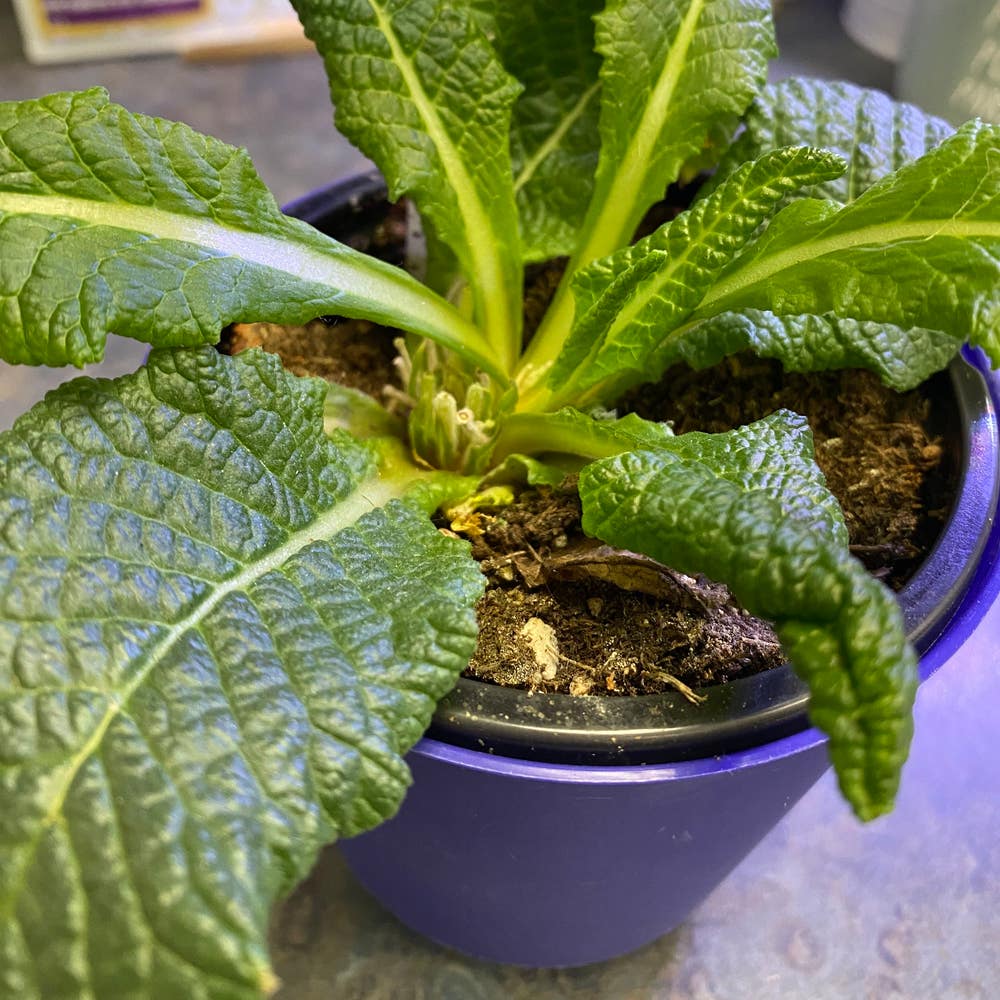
Ultimate Guide to Japanese Primrose Roots 🥕
Primula japonica
By the Greg Editorial Team
Aug 27, 2024•6 min read
This article was created with the help of AI so we can cover more plants for you. May contain errors. See one? Report it here.
Discover how to nurture Japanese Primrose roots for vibrant blooms and resilient growth! 🌱🌼
- 🌱 Japanese Primrose roots thrive in wet conditions, enhancing nutrient absorption and resilience.
- 💧 Consistent moisture is vital; water when the top inch of soil feels dry.
- ✂️ Healthy roots are crucial for propagation; divide in early spring or fall for success.
Root System Characteristics
Type of Root System 🌱
Japanese Primrose features a fibrous root system. This system consists of a dense network of thin roots that spread horizontally, allowing the plant to efficiently absorb nutrients.
The advantages of this root structure are significant. It provides stability in moist environments and maximizes nutrient uptake, ensuring the plant thrives even in challenging conditions.
Specific Characteristics of Roots 🌊
These roots are specifically adapted to wet conditions. They excel at absorbing nutrients in saturated soils, which is crucial for their growth.
Moreover, the robust structure of these roots enhances resilience against stress factors. This adaptability allows Japanese Primrose to flourish in environments where other plants might struggle.
Understanding these root characteristics is essential for anyone looking to cultivate healthy Japanese Primrose. With the right care, these plants can thrive beautifully in your garden.
Next, we’ll explore the fascinating root growth patterns of Japanese Primrose.
Root Growth Patterns
🌱 Root Depth and Spread
Japanese Primrose typically develops a root depth of 12-18 inches (30-45 cm). Its roots can spread horizontally up to 24 inches (60 cm), creating a robust foundation for the plant.
🌍 Factors Influencing Root Growth
Several factors influence root growth, including soil type, moisture levels, and environmental conditions. Understanding these elements can help you optimize the health of your Primrose.
🌦️ Growth Patterns in Different Environments
Wet Conditions
In wet conditions, Japanese Primrose exhibits more extensive root development. This allows for enhanced nutrient absorption, making the plant thrive in saturated soils.
Drier Conditions
Conversely, in drier conditions, the roots may remain shallower. This can lead to increased stress on the plant, affecting its overall health and growth.
By recognizing these growth patterns, you can better cater to the needs of your Japanese Primrose, ensuring it flourishes in its environment. Next, let's explore care techniques that promote optimal root health.
Care Techniques Related to Roots
💧 Watering Practices for Optimal Root Health
Maintaining consistent moisture is crucial for the health of Japanese Primrose roots. Water the plant when the top inch of soil feels dry, ensuring it never becomes waterlogged.
🌱 Fertilizing Methods Tailored to Root Needs
Using balanced NPK fertilizers during the growing season supports robust root development. Fertilize every 4-6 weeks to provide essential nutrients for optimal growth.
🌿 Transplanting Considerations Based on Root System
Timing is key when transplanting Japanese Primrose. Aim for early spring or fall to minimize stress, and be sure to minimize root disturbance while keeping the soil moist during the process.
These care techniques will help ensure your Japanese Primrose thrives, setting the stage for healthy root systems and vibrant growth. Next, let's explore common root-related issues and how to tackle them effectively.
Common Root-Related Issues
🦠 Identifying Root Rot and Other Diseases
Root rot is a common issue for Japanese Primrose, and its symptoms are hard to miss. Look for wilting leaves, yellowing foliage, and a foul odor emanating from the soil—these are clear indicators that something is amiss.
In addition to root rot, other diseases can affect the roots. Fusarium wilt and root aphids are notable culprits that can compromise the health of your plants.
🛠️ Solutions for Preventing Root-Related Problems
Preventing root-related issues starts with the right soil. Always use well-draining soil to avoid waterlogging, which can lead to root rot.
Proper watering techniques are equally crucial. Water your plants only when the top inch of soil feels dry to the touch, ensuring that roots remain healthy and vibrant.
Regular inspections during repotting can also help catch problems early. By checking the roots for signs of distress, you can take action before issues escalate.
With these preventative measures, you can keep your Japanese Primrose thriving and resilient against common root-related challenges.
Indicators of Root Health
🌱 Visual Cues for Healthy vs. Unhealthy Roots
Healthy roots are a sight to behold. They typically exhibit a white or light tan color and have a firm texture, indicating vitality and proper nutrient absorption.
In contrast, unhealthy roots present a stark warning. Look for dark brown or black colors and a mushy texture, which signal potential problems like rot or disease.
🔍 Other Indicators of Root System Vitality
Beyond root appearance, overall plant vigor is a key indicator of health. Pay attention to leaf color, growth rate, and flowering; vibrant leaves and robust growth suggest a thriving root system.
Soil condition also plays a crucial role. Unusual odors or the presence of pests can indicate underlying root issues, so regular checks are essential for maintaining plant health.
By keeping an eye on these indicators, you can ensure your Japanese Primrose remains robust and flourishing. Next, let’s explore the common root-related issues that can arise and how to tackle them effectively.
Rootbound Plants
Definition and Recognition of Rootbound Conditions 🌱
Rootbound plants occur when roots circle the pot, indicating they have outgrown their space. This condition limits growth and can lead to various issues.
Signs of rootbound plants include stunted growth, yellowing leaves, and poor water absorption. If you notice these symptoms, it’s time to take action.
When and How to Address Rootbound Issues 🛠️
Recognizing rootbound signs early is crucial to prevent stress on your plant. The sooner you address the issue, the better chance your plant has to thrive.
Solutions include repotting into a larger container or performing root pruning. Both methods can help restore your plant's health and encourage new growth.
By keeping an eye on your plants and acting promptly, you can ensure they remain vibrant and healthy. Next, let’s explore propagation and division techniques to further enhance your gardening skills.
Propagation and Division
🌱 Importance of Root Health in Propagation
Healthy roots are crucial for successful propagation and division of Japanese Primrose. They ensure the plant can absorb nutrients effectively and establish itself in new environments.
Timing is also key; early spring or fall are the best seasons for propagation. This allows the plant to adapt with minimal stress.
✂️ Techniques for Dividing and Propagating Japanese Primrose
Dividing Japanese Primrose is a straightforward process. Follow these steps for optimal results:
- Water the plant thoroughly before division to ease the process.
- Carefully remove the plant from its pot, taking care not to damage the roots.
- Gently separate the roots into sections, ensuring each section has healthy roots attached.
- Replant immediately in suitable soil and water well to promote establishment.
Maintaining root integrity during division is essential for successful establishment. Healthy roots lead to vigorous growth and a thriving plant.
With these techniques, you can effectively propagate and enjoy the beauty of Japanese Primrose in your garden. Next, let’s explore how to recognize and address root-related issues to keep your plants healthy.
⚠️ Safety First
This content is for general information and may contain errors, omissions, or outdated details. It is not medical, veterinary advice, or an endorsement of therapeutic claims.
Always consult a qualified healthcare professional before using any plant as food, medicine, or supplement.
Never eat any plant (or feed one to pets) without confirming its identity with at least two trusted sources.
If you suspect poisoning, call Poison Control (800) 222-1222, the Pet Poison Helpline (800) 213-6680, or your local emergency service immediately.
Spotted an error? Please report it here.
Unlock the secret to thriving Japanese Primrose roots 🌿 with Greg's personalized watering alerts and fertilization tips, ensuring your plants flourish in any condition!