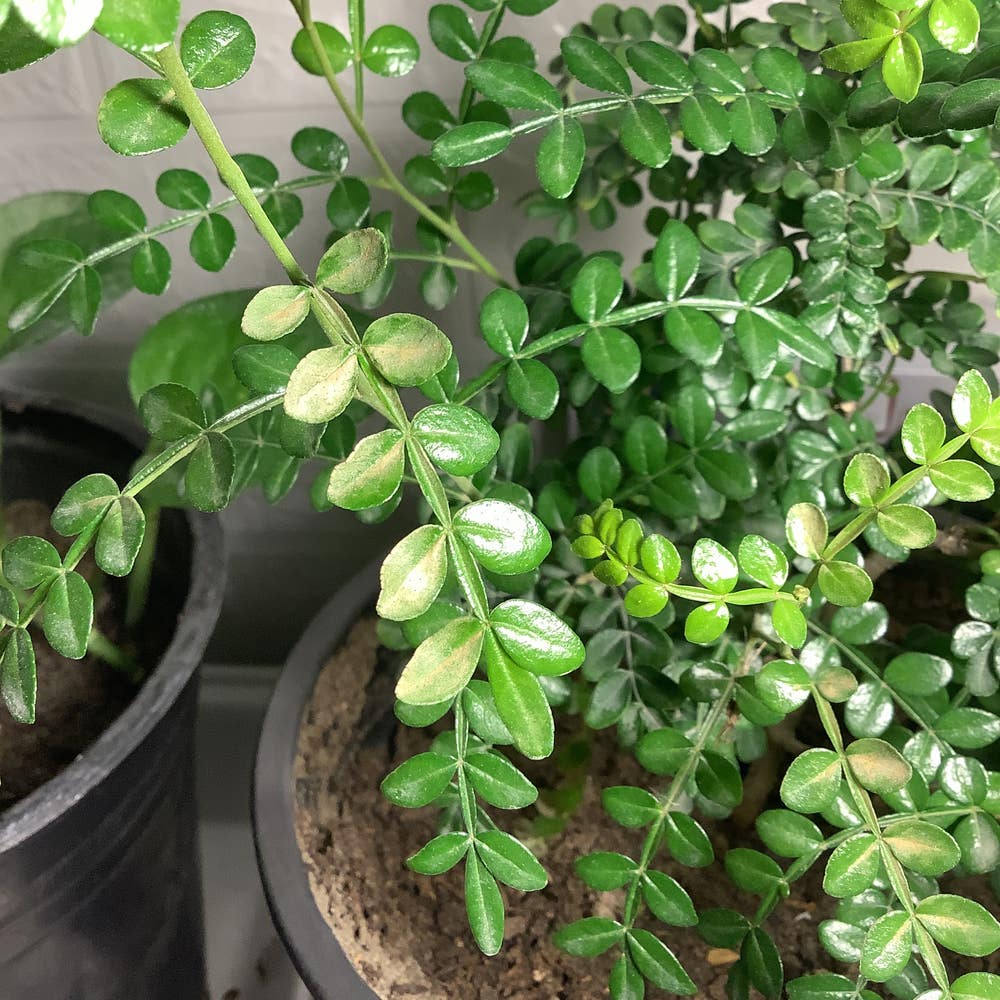
Identifying What is Eating Your Green Prickly Ash 🐛
Zanthoxylum piperitum
By the Greg Editorial Team
Oct 17, 2024•6 min read
This article was created with the help of AI so we can cover more plants for you. May contain errors. See one? Report it here.
- 🌿 Green prickly ash attracts beneficial insects while also appealing to herbivores like deer and rabbits.
- 🦌 Deer and rabbits can severely damage green prickly ash, leading to stunted growth.
- 🐝 Encouraging pollinators and using barriers can protect your green prickly ash effectively.
Description and Attractive Parts
Appearance and Characteristics 🌿
The green prickly ash is a striking plant, known for its spiny branches that effectively deter many herbivores. Its aromatic leaves not only add to its charm but also attract beneficial insects, creating a lively ecosystem around it.
In spring, the plant showcases small, greenish-yellow flowers that bloom before giving way to distinctive seed pods. These features make it not just a visual delight but also a hub for various wildlife interactions.
Parts Attractive to Animals 🐦
Several parts of the green prickly ash are particularly appealing to animals. Young shoots are tender and nutritious, making them a favorite snack for herbivores.
The fruits, or seed pods, are especially attractive to birds and rodents, who find them irresistible. Additionally, the nectar-rich flowers draw in pollinators, enhancing the plant's role in the ecosystem.
Understanding these attractive parts can help you appreciate the delicate balance between the green prickly ash and the animals it interacts with. This knowledge is crucial for effective management and protection strategies, which we’ll explore next.
Common Herbivores
🦌 Deer
Signs and Damage
Deer are often the first culprits when it comes to damage. Look for hoof prints in muddy areas and notice if leaves and young shoots are stripped from branches.
Impact
Their browsing can be generally harmful, leading to stunted growth and reduced vigor in your green prickly ash.
Deterrent Methods
To keep deer at bay, consider using commercial deer repellents. Alternatively, planting deer-resistant species nearby can create a natural barrier.
🐇 Rabbits
Signs and Damage
Rabbits leave behind small, round droppings and often gnaw on stems. You might notice clean cuts on stems and leaves, indicating their presence.
Impact
These little munchers can severely damage young plants, making them a significant threat.
Deterrent Methods
Rabbit repellents can be effective, but you can also opt for organic solutions like fencing that stands 2-3 feet high.
🐿️ Squirrels
Signs and Damage
Squirrels are notorious for chewing bark and branches. Keep an eye out for nesting signs in nearby trees, which can indicate their presence.
Impact
Their activities can cause bark damage, which is generally harmful to the plant.
Deterrent Methods
Consider using squirrel repellents for a chemical approach. For a more organic solution, installing squirrel baffles can help protect your plants.
🐦 Birds
Signs and Damage
Birds can be tricky; look for pecking marks on fruits and flowers. Nesting activity in the plant can also signal their presence.
Impact
The impact of birds is mixed. While some may help with pollination, others can damage fruits.
Deterrent Methods
Bird netting serves as a chemical deterrent, while scare tactics can be an effective organic approach.
🐭 Rodents
Signs and Damage
Rodents often create burrows near the base of the plant and gnaw on roots and stems. Their signs are hard to miss.
Impact
Their activities can lead to root damage, which is generally harmful to your green prickly ash.
Deterrent Methods
For chemical control, consider rodent bait stations. Alternatively, traps and planting deterrent herbs can serve as organic solutions.
🦡 Groundhogs/Woodchucks
Signs and Damage
Groundhogs leave large burrows and flattened vegetation in their wake. Chewed stems and leaves are clear indicators of their presence.
Impact
These animals can decimate young plants, making them a serious concern for gardeners.
Deterrent Methods
Commercial repellents can help deter groundhogs, but fencing that stands 3-4 feet high is often the best organic solution.
Understanding these common herbivores and their impacts can empower you to protect your green prickly ash effectively. Next, let’s explore the beneficial animals that can enhance your garden's ecosystem.
Beneficial Animals
🐝 Description of Beneficial Animals
Beneficial animals play a crucial role in the ecosystem surrounding the green prickly ash. Pollinators like bees and butterflies are drawn to its aromatic flowers, ensuring the plant's reproductive success.
Predatory insects such as ladybugs and lacewings also contribute significantly. They help keep pest populations in check, creating a balanced environment.
🌱 Positive Impacts
The presence of these beneficial animals leads to enhanced pollination, which results in a better fruit set. This not only supports the plant's growth but also attracts more wildlife to your garden.
Additionally, natural pest control from predatory insects reduces the need for chemical interventions. This creates a healthier ecosystem, benefiting both the green prickly ash and surrounding flora.
Incorporating these beneficial animals into your gardening strategy can yield impressive results. By fostering a welcoming environment for them, you can enjoy a thriving garden while minimizing pest issues.
As we explore protection strategies next, consider how these beneficial relationships can further enhance your efforts in maintaining a healthy green prickly ash.
Protection Strategies
🛡️ Preventive Measures
Regular monitoring for signs of herbivore activity is crucial. Keeping an eye out for tracks, droppings, or nibbling can help you catch issues early.
Planting companion plants that deter herbivores is another effective strategy. These plants can create a natural barrier, making your green prickly ash less appealing to unwanted visitors.
⚠️ Reactive Solutions
If you notice damage, immediate removal of affected parts is essential. This not only helps your plant recover but also prevents further attraction of herbivores.
Using barriers and repellents can provide a quick fix as needed. Whether it’s netting or sprays, these tools can help safeguard your plants from further harm.
🌱 Seasonal Variations
Herbivore activity tends to spike in spring and early summer. During these seasons, be extra vigilant and ready to adapt your strategies.
Monitoring changes in animal behavior with seasonal shifts can give you insights into when to ramp up your protection efforts. Staying proactive will help ensure your green prickly ash thrives throughout the year.
As you implement these strategies, remember that a balanced approach will not only protect your plants but also foster a healthy ecosystem. Next, let’s explore the toxicity and safety aspects of the green prickly ash.
Toxicity and Safety
Toxic Effects 🌿
Green prickly ash is not just a pretty plant; it has some serious defenses. It contains compounds that can deter excessive feeding by herbivores, making it less appealing to some animals.
These compounds can even be toxic to certain herbivores, which helps the plant maintain its health and vigor. This natural deterrent is a fascinating aspect of its survival strategy.
Implications for Management ⚖️
Understanding the toxicity of green prickly ash is crucial for effective management of herbivore populations. By knowing which animals are affected, you can tailor your approach to protect your plants.
Balancing plant health with the ecological roles of herbivores is essential. While some animals may cause damage, others play vital roles in pollination and pest control. Recognizing this balance can lead to a healthier garden ecosystem.
With this knowledge, you can make informed decisions that benefit both your plants and the wildlife around them. Next, let’s explore some effective protection strategies to keep your green prickly ash thriving.
⚠️ Safety First
This content is for general information and may contain errors, omissions, or outdated details. It is not medical, veterinary advice, or an endorsement of therapeutic claims.
Always consult a qualified healthcare professional before using any plant as food, medicine, or supplement.
Never eat any plant (or feed one to pets) without confirming its identity with at least two trusted sources.
If you suspect poisoning, call Poison Control (800) 222-1222, the Pet Poison Helpline (800) 213-6680, or your local emergency service immediately.
Spotted an error? Please report it here.
Protect your green prickly ash from herbivores with smart strategies 🛡️, and let Greg guide you with tailored care reminders and community insights for a flourishing garden!