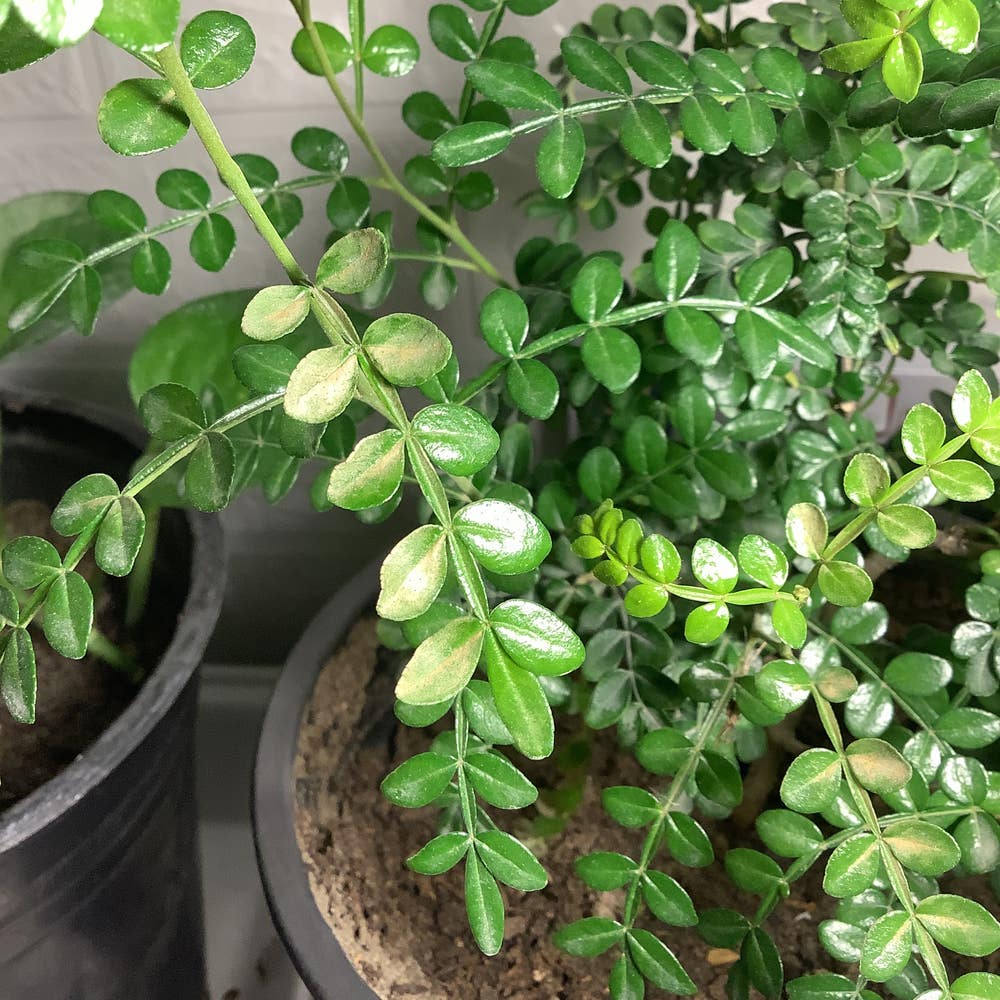
What to Do About Curling Leaves on Your Green Prickly Ash
Zanthoxylum piperitum
By the Greg Editorial Team
Oct 17, 2024•4 min read
This article was created with the help of AI so we can cover more plants for you. May contain errors. See one? Report it here.
- 🌱 Curling leaves indicate stress from pests, temperature, or nutrient deficiencies.
- 🌡️ Extreme temperatures above 90°F or below 32°F cause leaf curling.
- 🐜 Regular inspections for pests like aphids and spider mites prevent significant damage.
Causes of Curling Leaves
🌡️ Environmental Stress Factors
Temperature extremes can wreak havoc on your Green Prickly Ash. High temperatures above 90°F (32°C) often lead to leaf curling, while low temperatures below 32°F (0°C) can also induce stress.
Humidity plays a crucial role in plant health. Low humidity can cause dehydration and curling, whereas the ideal humidity range for optimal growth is between 40-60%.
🐛 Pest Infestations
Pests are another common culprit behind curling leaves.
Aphids
Aphids are notorious for leaving sticky residue, known as honeydew, on leaves. This feeding on sap distorts leaves and can lead to significant damage.
Spider Mites
Spider mites can be equally damaging. Look for fine webbing and stippled leaves, which indicate their presence. Their feeding reduces photosynthesis, putting your plant under stress.
🍄 Fungal Infections
Fungal infections can also contribute to leaf curling.
Powdery mildew is a common issue, characterized by white, powdery spots on leaves. This fungus thrives in high humidity and poor air circulation, making it essential to monitor your plant's environment.
🌱 Nutrient Deficiencies
Nutrient deficiencies can weaken your Green Prickly Ash, making it more susceptible to stress.
Nitrogen deficiency manifests as yellowing leaves and stunted growth. This deficiency weakens the plant, leaving it vulnerable to other issues.
Potassium deficiency shows up as marginal leaf curling and browning. Potassium is essential for overall plant health and resilience, so addressing this deficiency is crucial.
Understanding these causes is the first step in addressing curling leaves. By identifying the underlying issues, you can take effective action to restore your plant's health. Next, we’ll explore how to diagnose these leaf curl issues effectively.
Diagnosing Leaf Curl Issues
Identifying Symptoms 🌿
When it comes to diagnosing leaf curl on your Green Prickly Ash, start by observing the visual signs. Look for curling, yellowing, or browning leaves, which can indicate underlying issues.
Additionally, pay attention to changes in leaf texture. Leaves that feel crispy or unusually soft may signal stress that needs addressing.
Differentiating Between Causes 🕵️♂️
Next, differentiate between potential causes of leaf curl. Pest-related symptoms often include the visible presence of pests or sticky residue left behind.
On the other hand, environmental stress indicators can manifest as sudden changes in weather or humidity levels. Recognizing these signs early can help you take action before the problem escalates.
By carefully assessing these symptoms and their causes, you can better understand how to care for your Green Prickly Ash and ensure its health.
Treatment Options
🌱 Organic Pest Control Methods
When it comes to tackling pests on your Green Prickly Ash, organic solutions are a great first line of defense. Insecticidal soap is particularly effective against common culprits like aphids and spider mites, providing a safe way to protect your plant.
Another powerful option is neem oil. This natural pesticide disrupts pest life cycles, making it harder for them to thrive. Regular application can keep your plant healthy and pest-free.
🍄 Fungal Treatment Options
If you notice signs of powdery mildew, act quickly. Applying fungicides at the first sign of this fungal infection can prevent it from spreading and causing more damage.
For those who prefer DIY solutions, a baking soda solution can work wonders. Mix one tablespoon of baking soda per gallon of water and spray it on affected leaves to combat mildew effectively.
🌾 Soil Amendment for Nutrient Deficiencies
Nutrient deficiencies can also lead to curling leaves, so addressing soil health is crucial. Nitrogen-rich fertilizers should be applied during the growing season to promote robust growth and vitality.
For potassium deficiencies, consider using slow-release fertilizers. These supplements improve soil health over time, ensuring your Green Prickly Ash gets the nutrients it needs to thrive.
By implementing these treatment options, you can effectively manage the health of your Green Prickly Ash and prevent further issues. Next, let’s explore some preventive measures to keep your plant in top shape.
Preventive Measures
Proper Watering Techniques 🌊
Maintaining consistent moisture is crucial for your Green Prickly Ash. Avoid waterlogging by ensuring the soil drains well.
Water deeply but infrequently to encourage robust root growth. This method helps the plant develop resilience against environmental stressors.
Soil Health and Amendments 🌱
Regular soil testing is essential to check pH and nutrient levels. This practice allows you to tailor your soil amendments effectively.
Incorporating organic matter, like compost, enhances soil structure and fertility. Healthy soil supports strong plant growth and reduces the risk of curling leaves.
Regular Monitoring for Pests 🐛
Conduct weekly inspections to spot signs of pests or disease early. Catching issues promptly can save your plant from significant damage.
Early intervention is key. Address any problems as soon as they arise to prevent escalation and keep your Green Prickly Ash thriving.
By implementing these preventive measures, you can create a healthier environment for your plant. This proactive approach will help minimize the risk of curling leaves and ensure your Green Prickly Ash remains vibrant and resilient.
⚠️ Safety First
This content is for general information and may contain errors, omissions, or outdated details. It is not medical, veterinary advice, or an endorsement of therapeutic claims.
Always consult a qualified healthcare professional before using any plant as food, medicine, or supplement.
Never eat any plant (or feed one to pets) without confirming its identity with at least two trusted sources.
If you suspect poisoning, call Poison Control (800) 222-1222, the Pet Poison Helpline (800) 213-6680, or your local emergency service immediately.
Spotted an error? Please report it here.
Keep your Green Prickly Ash thriving 🌱 by using Greg's tailored care tips and reminders to tackle curling leaves and ensure a healthy environment!