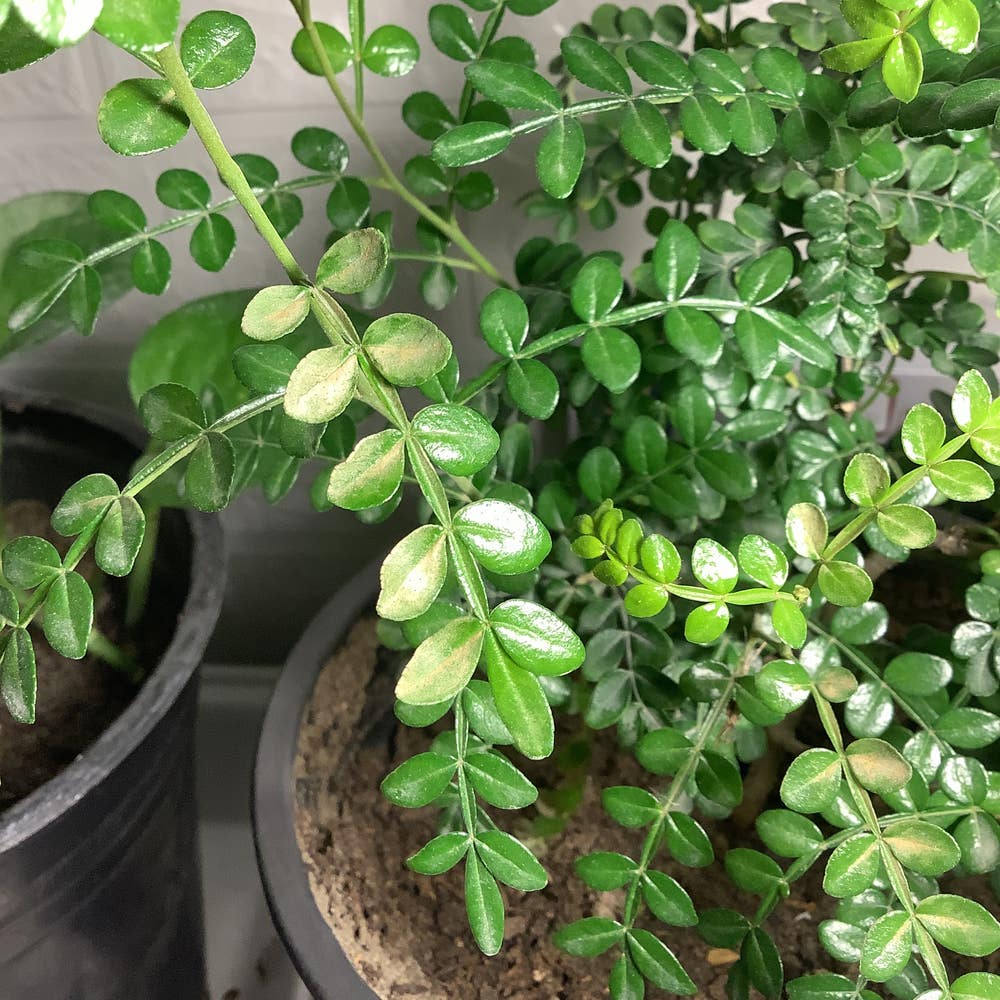
What to Do About Droopy Leaves on Your Green Prickly Ash 💧
Zanthoxylum piperitum
By the Greg Editorial Team
Oct 17, 2024•2 min read
This article was created with the help of AI so we can cover more plants for you. May contain errors. See one? Report it here.
- 💧 Droopy leaves indicate overwatering or underwatering; check soil moisture regularly.
- 🌡️ Temperature fluctuations stress your prickly ash, ideally keep it between 60°F and 80°F.
- 🐛 Pest infestations cause droopy leaves; monitor for visible damage and treat promptly.
Causes of Droopy Leaves
💧 Overwatering and Its Effects
Overwatering is a common issue for many plant owners. Symptoms include yellowing leaves and root rot, which can severely impact your green prickly ash.
Well-drained soil is crucial for healthy root systems. Excess moisture can lead to oxygen deprivation, causing the leaves to droop.
🌵 Underwatering and Dehydration
On the flip side, underwatering can also lead to droopy leaves. Signs include crispy leaf edges and wilting, indicating your plant is thirsty.
To check for dryness, test the soil moisture by sticking your finger about an inch deep. If it feels dry, it’s time to water.
🌡️ Environmental Stress Factors
Temperature Effects
Temperature plays a significant role in plant health. The ideal range for prickly ash is between 60°F to 80°F (15°C to 27°C).
If temperatures fluctuate outside this range, you might notice leaf curling or drooping as a stress response.
💨 Humidity Levels
Humidity is another critical factor. Moderate humidity helps maintain leaf turgor, which keeps leaves firm and upright.
Low humidity can lead to dry leaf tips and edges, signaling that your plant needs more moisture in the air.
🐛 Pest Infestations
Common Pests Affecting Prickly Ash
Pests can wreak havoc on your prickly ash, leading to droopy leaves. Aphids are a common culprit, often leaving behind visible damage.
Other pests like scale insects and spider mites can also cause stress. This stress manifests as drooping leaves, signaling that your plant needs immediate attention.
⚠️ Safety First
This content is for general information and may contain errors, omissions, or outdated details. It is not medical, veterinary advice, or an endorsement of therapeutic claims.
Always consult a qualified healthcare professional before using any plant as food, medicine, or supplement.
Never eat any plant (or feed one to pets) without confirming its identity with at least two trusted sources.
If you suspect poisoning, call Poison Control (800) 222-1222, the Pet Poison Helpline (800) 213-6680, or your local emergency service immediately.
Spotted an error? Please report it here.
Keep your green prickly ash thriving 🌿 by using Greg's tailored watering and humidity alerts to prevent droopy leaves and ensure a happy, healthy plant!