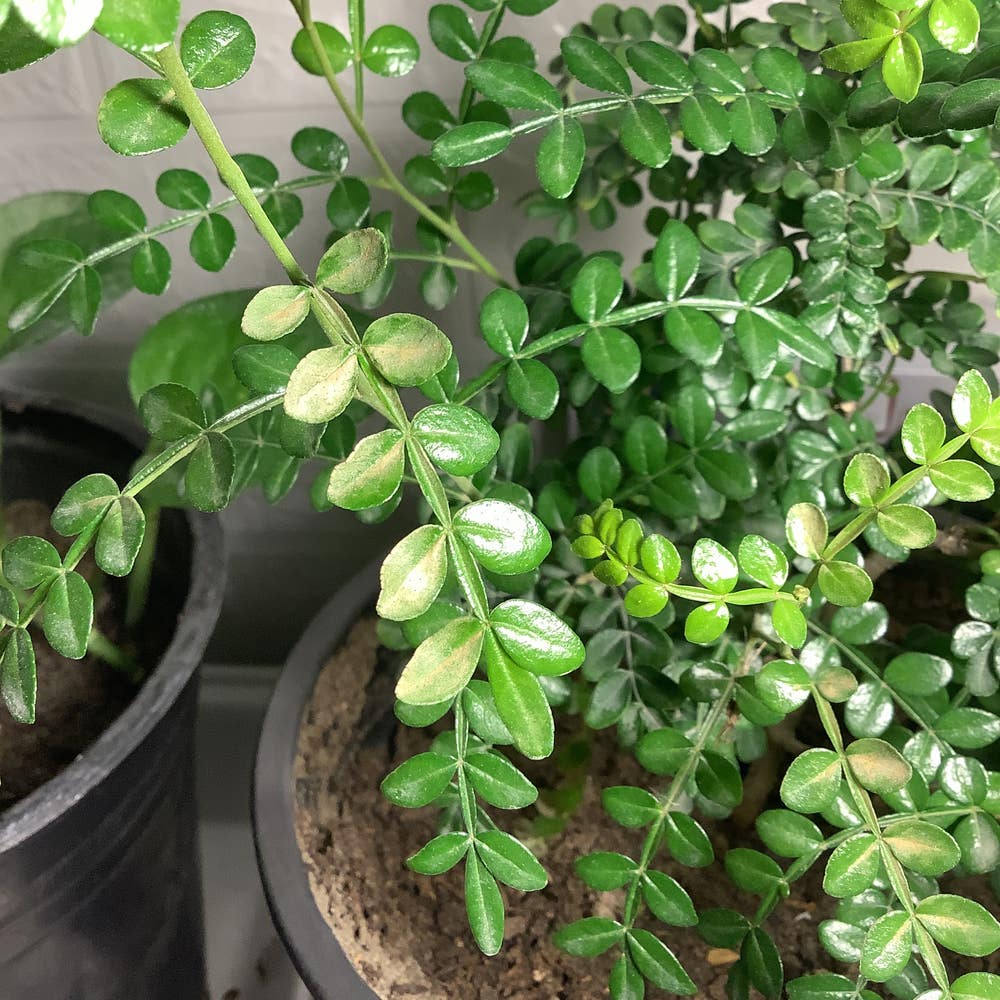
🌵 Light Requirements For Your Green Prickly Ash
Zanthoxylum piperitum
By the Greg Editorial Team
Oct 17, 2024•4 min read
This article was created with the help of AI so we can cover more plants for you. May contain errors. See one? Report it here.
- ☀️ Green prickly ash needs 6-8 hours of direct sunlight for optimal growth.
- 🌳 Partial shade is acceptable in hotter climates; morning sun is ideal.
- 🏠 Indoor plants thrive in bright, indirect light near east or west windows.
Optimal Light Conditions for Outdoor Growth
🌞 Sunlight Exposure
For your green prickly ash to thrive, it needs full sun, which means at least 6-8 hours of direct sunlight each day. If you're in a hotter climate, don't worry; it can handle some partial shade too.
🌍 Soil and Location Considerations
Healthy root development hinges on well-drained soils. When choosing a planting spot, look for areas that get morning sun and afternoon shade—this combo is especially beneficial in warmer regions.
By ensuring your prickly ash gets the right light and soil conditions, you'll set the stage for a vibrant, healthy plant. Next, let’s explore the ideal indoor light settings for those who want to bring this beauty inside.
Ideal Indoor Light Settings
Bright, Indirect Light 🌞
Your green prickly ash flourishes in bright, indirect light indoors. This means you should avoid placing it in direct sunlight, which can scorch its leaves.
For the best results, position your plant near east or west-facing windows. This setup maximizes light exposure while protecting it from the harsh rays of midday sun.
Light Intensity 💡
To ensure healthy growth, aim for a light intensity of 200-400 µmol/m²/s. This range provides the energy your plant needs without overwhelming it.
If you find the sunlight too intense, consider using sheer curtains. They can help diffuse the light, creating a more suitable environment for your prickly ash.
With the right light settings, your indoor prickly ash can thrive beautifully. Next, let’s explore the effects of insufficient light on your plant's health.
Effects of Insufficient Light
🌱 Symptoms of Low Light Conditions
When your green prickly ash doesn't get enough light, you'll notice stunted growth. This means slower development and smaller leaves that lack vitality.
Another telltale sign is leaf drop. If you see older leaves shedding more frequently, it's a clear indication that your plant is struggling.
⏳ Long-term Consequences
Over time, insufficient light can lead to weak stems. This makes your prickly ash more vulnerable to pests and diseases, which can be a real headache for any plant lover.
Additionally, reduced light can diminish flowering potential. You might find fewer blooms in late summer, robbing your garden of its vibrant charm.
Ensuring your prickly ash receives adequate light is crucial for its health and beauty. By addressing light deficiencies early, you can foster a thriving plant that brings joy to your space.
Next, let's explore how light duration impacts growth and overall plant health.
Light Duration and Its Impact on Growth
🌞 Daily Light Requirements
For your green prickly ash to thrive, it needs a minimum of 12 hours of light exposure each day. This consistent light duration is crucial for optimal growth and overall health.
📅 Seasonal Adjustments
As seasons change, so should your light strategy. During the shorter days of winter, consider using supplemental lighting to ensure your plant receives enough light to flourish.
By keeping an eye on light duration, you can help your prickly ash reach its full potential. This proactive approach not only supports growth but also enhances the plant's resilience against environmental stressors.
Next, let’s explore how light plays a vital role in the flowering process of your green prickly ash.
Role of Light in Flowering
🌸 Flowering Characteristics
The green prickly ash typically bursts into bloom in late summer, showcasing small, fragrant clusters that can brighten any garden. These blooms not only attract pollinators but also add a delightful scent to your outdoor space.
💡 Light's Influence
Light plays a crucial role in the flowering process. Adequate sunlight encourages robust flower development, while insufficient light can lead to lackluster blooms and diminished fragrance.
Ensuring your prickly ash receives the right amount of light is essential for a vibrant display. If you notice fewer flowers or a decline in fragrance, it might be time to reassess its light conditions.
In summary, providing optimal light is key to unlocking the full potential of your green prickly ash's flowering capabilities. Next, let’s explore how light duration impacts overall growth.
⚠️ Safety First
This content is for general information and may contain errors, omissions, or outdated details. It is not medical, veterinary advice, or an endorsement of therapeutic claims.
Always consult a qualified healthcare professional before using any plant as food, medicine, or supplement.
Never eat any plant (or feed one to pets) without confirming its identity with at least two trusted sources.
If you suspect poisoning, call Poison Control (800) 222-1222, the Pet Poison Helpline (800) 213-6680, or your local emergency service immediately.
Spotted an error? Please report it here.
Help your green prickly ash shine bright 🌞 by using Greg's tailored light tips to ensure it gets the 6-8 hours of sunlight it craves for vibrant growth and blooms!