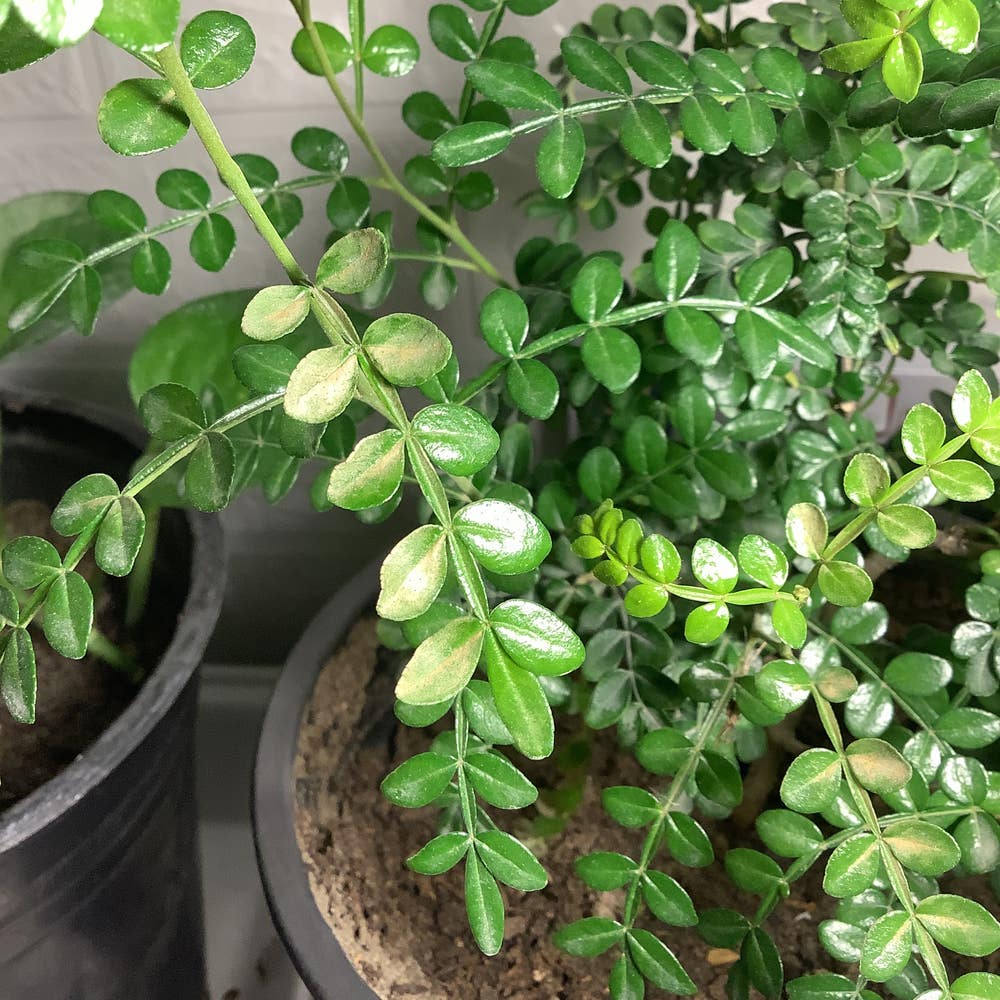
🌵 9 Factors for Optimal Green Prickly Ash Growth
Zanthoxylum piperitum
By the Greg Editorial Team
Oct 17, 2024•5 min read
This article was created with the help of AI so we can cover more plants for you. May contain errors. See one? Report it here.
- 🌞 Optimal sunlight is crucial; aim for 6+ hours daily for green prickly ash.
- 🌱 Proper spacing (6-10 feet apart) promotes airflow and prevents overcrowding.
- 🧪 Ideal soil pH is 6.0-7.5; test and amend for best growth results.
Site Selection and Soil Preparation
🌍 Choosing the Right Location
Selecting the perfect spot for your green prickly ash is crucial. Aim for an area that receives full sun to partial shade, ensuring at least six hours of sunlight daily.
Space is equally important; plant your prickly ash 6 to 10 feet apart to allow for healthy growth and airflow. This spacing helps prevent overcrowding and promotes robust development.
🌱 Soil Type and pH Requirements
The right soil type can make all the difference. Green prickly ash thrives in well-drained loam or sandy soils, which provide the necessary drainage and nutrients.
Additionally, aim for a soil pH between 6.0 and 7.5 for optimal growth. Testing your soil can help you determine if adjustments are needed.
🛠️ Soil Amendment Techniques
Improving your soil's structure is essential for healthy plants. Incorporate organic matter like compost or well-rotted manure to enrich the soil and enhance its texture.
If your soil is heavy and retains too much moisture, consider adding perlite or sand. This will improve drainage, preventing root rot and other moisture-related issues.
With the right location and soil preparation, your green prickly ash will be set up for success. Next, let’s explore the best planting techniques to ensure a thriving garden.
Planting Techniques
Best Planting Times 🌱
For optimal growth, plant your green prickly ash in early spring or fall. These seasons provide the ideal conditions for establishing strong roots.
Step-by-Step Planting Instructions 🛠️
- Prepare the planting hole: Dig a hole that is twice the width and depth of the root ball. This ensures ample space for roots to spread.
- Amend soil as needed: Mix in organic matter like compost to enrich the soil. This boosts nutrient availability and improves soil structure.
- Position the plant: Place the plant in the hole, ensuring the root crown is level with the soil surface. This prevents water from pooling around the base.
- Backfill and water: Firm the soil around the roots and provide thorough watering. This helps eliminate air pockets and settles the soil.
Container vs. Outdoor Planting Considerations 🏡
Container growing is a great option for limited spaces. However, it requires regular monitoring of moisture levels to prevent drying out.
Outdoor planting offers more robust growth potential. Just be sure to consider adequate spacing and sunlight exposure for your prickly ash.
Transitioning from planting techniques, let's explore how to effectively water and fertilize your green prickly ash for optimal health.
Watering and Fertilizing
💧 Watering Frequency and Techniques
Watering is crucial for the health of your green prickly ash. Initially, water daily for the first week after planting to help establish roots.
After that, adjust your schedule to every 1-2 weeks, depending on rainfall. This flexibility ensures your plant receives adequate moisture without becoming waterlogged.
🌱 Fertilizer Types and Application Methods
Choosing the right fertilizer can make a significant difference. A balanced NPK fertilizer, like 10-10-10, or organic options are highly recommended.
Apply fertilizer in early spring and mid-summer to support growth. This timing aligns with the plant's natural growth cycles, maximizing nutrient uptake.
📅 Seasonal Adjustments for Watering and Fertilizing
As your prickly ash grows, its watering needs will change. Increase watering during flowering and fruiting phases to support these vital processes.
In winter, reduce watering frequency as the plant enters dormancy. This adjustment helps prevent root rot and keeps your plant healthy year-round.
With proper watering and fertilizing, your green prickly ash will thrive, setting the stage for the next steps in its care.
Pruning and Maintenance
Pruning Techniques for Optimal Growth 🌱
Timing is crucial for effective pruning. Aim to prune your green prickly ash in late winter or early spring, just before new growth begins.
When pruning, focus on removing dead or crossing branches. This not only improves the plant's appearance but also enhances air circulation, which is vital for healthy growth.
Ongoing Care Routine 🧑🌾
Regular inspections are key to maintaining your plant's health. Check for pests and diseases every two weeks to catch any issues early.
Mulching is another essential practice. Applying organic mulch helps retain moisture and suppress weeds, creating a healthier environment for your prickly ash.
Signs of Stress or Disease and How to Address Them 🚨
Be vigilant for common symptoms of stress, such as wilting leaves, discoloration, or stunted growth. These signs often indicate that your plant needs immediate attention.
To address these issues, adjust your watering schedule, inspect for pests, and apply appropriate treatments. Keeping a close eye on your plant will ensure it thrives.
With proper pruning and maintenance, your green prickly ash will flourish, setting the stage for the next important aspect: managing common challenges and solutions.
Common Challenges and Solutions
🐛 Pests and Diseases Affecting Prickly Ash
Prickly Ash can face several pest challenges. Common culprits include aphids, spider mites, and scale insects, which can sap the plant's vitality.
In addition to pests, diseases like root rot and leaf spot can threaten your plant's health. Prevention is key; maintaining proper care routines can significantly reduce these risks.
🌡️ Environmental Challenges
Temperature extremes can be a real concern for Prickly Ash. Protect your plants from frost in the winter and provide shade during heat waves to ensure they thrive.
Humidity also plays a crucial role. In dry conditions, ensure your plants receive adequate moisture to prevent stress and promote healthy growth.
🛠️ Troubleshooting Growth Issues
If you notice yellowing leaves or poor flowering, it might be time to troubleshoot. These symptoms can indicate underlying growth problems that need addressing.
Start by conducting soil tests to check nutrient levels. Adjust your care routines and implement pest management strategies to get your Prickly Ash back on track.
With these insights, you can tackle common challenges and keep your Prickly Ash flourishing. Next, let’s explore effective pruning and maintenance techniques to further enhance growth.
⚠️ Safety First
This content is for general information and may contain errors, omissions, or outdated details. It is not medical, veterinary advice, or an endorsement of therapeutic claims.
Always consult a qualified healthcare professional before using any plant as food, medicine, or supplement.
Never eat any plant (or feed one to pets) without confirming its identity with at least two trusted sources.
If you suspect poisoning, call Poison Control (800) 222-1222, the Pet Poison Helpline (800) 213-6680, or your local emergency service immediately.
Spotted an error? Please report it here.
Grow your green prickly ash like a pro 🌱 with Greg's tailored care reminders and expert tips, ensuring it thrives in the perfect conditions for stunning results!