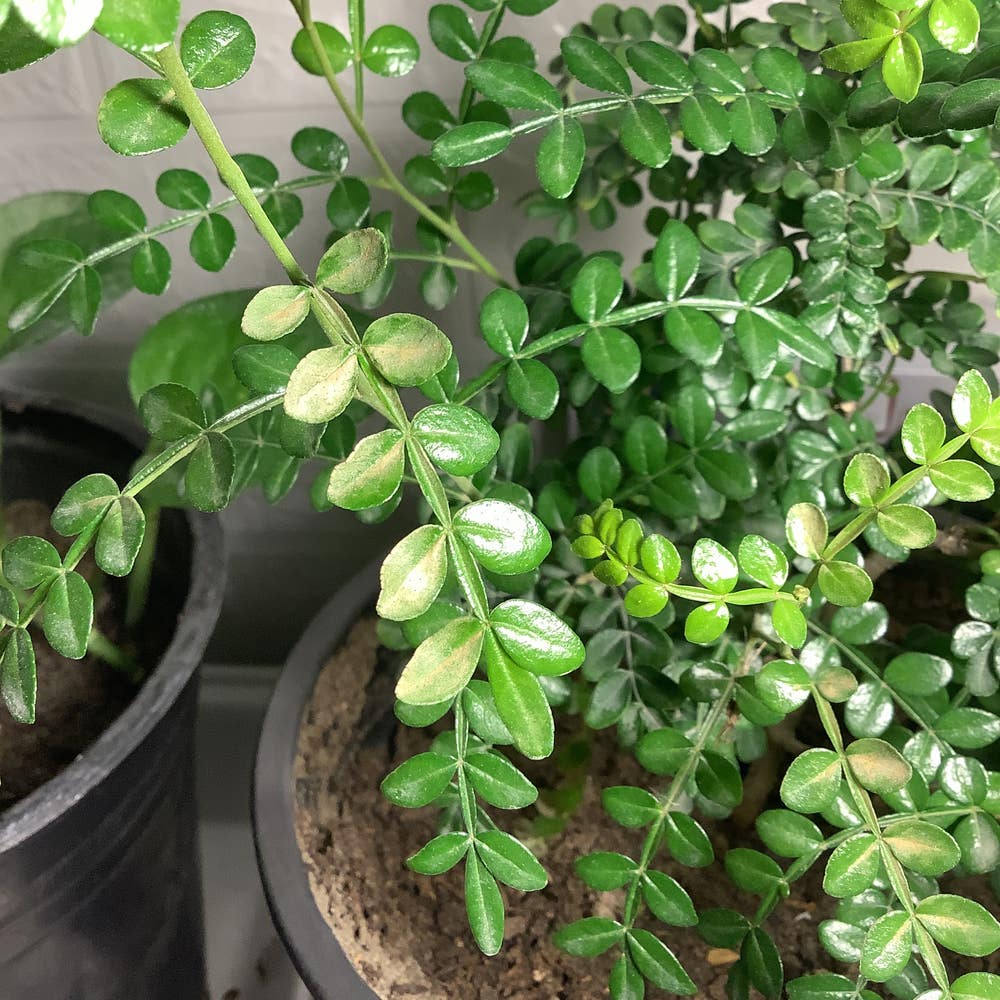
🌵 Green Prickly Ash Roots 101
Zanthoxylum piperitum
By the Greg Editorial Team
Oct 17, 2024•5 min read
This article was created with the help of AI so we can cover more plants for you. May contain errors. See one? Report it here.
- 🌱 Green prickly ash roots thrive with deep anchorage and moisture access.
- 💧 Prevent root rot by allowing soil to dry out before watering.
- 🌿 Healthy roots are firm and light-colored; monitor for signs of distress.
Root System Characteristics
Description of Taproot System 🌱
A taproot system features a single, thick primary root that delves deep into the soil. This structure is essential for the plant's stability and access to moisture.
Deep anchorage is a key characteristic of the taproot. It not only secures the plant but also allows it to reach water sources that are unavailable to shallower-rooted plants.
Additionally, the lateral spread of roots enhances nutrient absorption. These roots extend horizontally, maximizing the area from which the plant can draw essential nutrients.
Understanding the taproot system is crucial for effective plant care. By recognizing its characteristics, you can better support the health and growth of your green prickly ash.
Next, let’s explore the typical root depth and spread of this fascinating plant.
Root Depth and Spread
Typical Root Depth and Spread 🌱
The green prickly ash boasts an impressive root system, with an average root depth reaching up to 3 feet (0.9 meters) under optimal conditions. Additionally, its lateral roots can extend 2-3 feet (0.6-0.9 meters) from the base, ensuring the plant has a robust foundation for stability and nutrient absorption.
Growth Patterns of the Root System 🌿
In the first year, the taproot establishes itself rapidly, anchoring the plant securely in the soil. As time progresses, lateral root development increases, enhancing both stability and the plant's ability to uptake nutrients efficiently.
Understanding these growth patterns is crucial for anyone looking to cultivate healthy green prickly ash. With the right care, these roots can thrive, setting the stage for a vibrant plant.
Next, we’ll explore care practices influenced by these root characteristics, ensuring your green prickly ash remains healthy and flourishing.
Care Practices Influenced by Roots
💧 Watering Techniques for Optimal Root Health
Proper drainage is crucial for the health of green prickly ash roots. It prevents root rot and encourages robust growth.
To maintain optimal moisture levels, allow the top 1-2 inches of soil to dry out between waterings. This practice ensures that roots receive adequate hydration without becoming waterlogged.
🌱 Fertilizing Methods Tailored to Root Needs
Using balanced NPK fertilizers during the growing season is essential for supporting root development. These nutrients help the plant thrive and establish a strong foundation.
Aim to fertilize every 4-6 weeks to keep the roots nourished and promote healthy growth. This consistent feeding schedule can make a significant difference in root vitality.
🌍 Best Practices for Transplanting
Timing is everything when it comes to transplanting. Early spring or fall are the best seasons to minimize stress on the plant.
When transplanting, it's vital to preserve as much of the root ball as possible. This technique helps the plant adjust more easily to its new environment, ensuring continued growth and stability.
By following these care practices, you can significantly enhance the health and resilience of your green prickly ash roots. Next, let’s explore common root-related issues and how to tackle them effectively.
Common Root-Related Issues
Identifying Root Rot and Prevention Strategies 🪴
Root rot can be a silent killer for plants, often going unnoticed until it's too late. Key symptoms include wilting leaves, yellowing foliage, and a foul smell emanating from the soil.
To prevent root rot, focus on soil drainage. Use well-draining soil and avoid overwatering, allowing the top 1-2 inches to dry out between waterings. This simple practice can save your plants from a soggy demise.
Solutions for Unhealthy Root Systems ⚒️
Unhealthy roots can manifest in several ways. Look for signs like dark, mushy roots or stunted growth, which indicate that your plant is in distress.
If you suspect root issues, take action quickly. Prune away any damaged roots and repot the plant in fresh, well-draining soil. This can rejuvenate the root system and promote healthier growth.
By staying vigilant and proactive, you can ensure your green prickly ash thrives, setting the stage for the next section on indicators of root health.
Indicators of Root Health
👀 Visual Cues for Healthy vs. Unhealthy Roots
Healthy roots are a sight to behold. They should be firm, with a white or light tan color, showcasing a vibrant network of fine roots.
In contrast, unhealthy roots tell a different story. Look for dark, mushy textures and a foul odor, which are clear signs that something is wrong.
📊 Other Indicators of Root Health
Plant vigor is another key indicator of root health. If your plant is thriving with lush growth and vibrant leaf color, it’s likely that the roots are doing their job.
Soil moisture levels also play a crucial role. Aim for consistent moisture without waterlogging, as this balance is essential for healthy root systems.
By keeping an eye on these indicators, you can ensure your green prickly ash thrives. Next, let’s explore common root-related issues and how to tackle them effectively.
Rootbound Plants
📏 Definition and Recognition of Rootbound Conditions
Rootbound plants occur when roots grow in circles around the pot, limiting their growth potential. You can spot this condition if you see roots emerging from drainage holes, notice stunted growth, or observe poor water absorption.
🔧 When and How to Address Rootbound Issues
To tackle rootbound conditions, check your plants during repotting or seasonal changes. If you find your plant is rootbound, repot it into a larger container, gently loosening the roots to encourage new growth.
Addressing rootbound issues promptly can rejuvenate your plant, allowing it to thrive once again. This simple step can make a significant difference in its overall health and vitality.
⚠️ Safety First
This content is for general information and may contain errors, omissions, or outdated details. It is not medical, veterinary advice, or an endorsement of therapeutic claims.
Always consult a qualified healthcare professional before using any plant as food, medicine, or supplement.
Never eat any plant (or feed one to pets) without confirming its identity with at least two trusted sources.
If you suspect poisoning, call Poison Control (800) 222-1222, the Pet Poison Helpline (800) 213-6680, or your local emergency service immediately.
Spotted an error? Please report it here.
Master the art of root care for your green prickly ash 🌳 with Greg's personalized watering reminders and expert tips to keep your roots healthy and thriving!