🌸 4 Tips for Blooming Your Green Prickly Ash
Zanthoxylum piperitum
By the Greg Editorial Team
Oct 17, 2024•5 min read
This article was created with the help of AI so we can cover more plants for you. May contain errors. See one? Report it here.
- 🌼 Green Prickly Ash can bloom, producing subtle greenish-yellow clusters in late spring.
- 🌱 Optimal care—sunlight, soil, and pruning—encourages flowering and healthy growth.
- 🐝 Self-pollination occurs, but external pollinators enhance reproductive success for this resilient plant.
Flowering Status of Green Prickly Ash
Clarification on Flowering Status 🌼
Green Prickly Ash is often misunderstood when it comes to its flowering capabilities. Unlike many ornamental plants, it typically does not produce showy flowers that catch the eye.
Instead, the plant's charm lies in its lush foliage and spiny branches. These features serve as its primary ornamental attributes, making it a unique addition to any garden.
So, why is it considered a non-flowering plant? The answer lies in its reproductive strategy, which prioritizes survival and adaptation over flamboyant blooms. This focus allows the Green Prickly Ash to thrive in various environments, showcasing its resilience rather than its floral display.
By understanding its flowering status, you can appreciate the plant's distinctive beauty and ecological role. This knowledge sets the stage for exploring what happens if the Green Prickly Ash does flower, including its characteristics and blooming process.
If Green Prickly Ash Flowers
🌼 Flower Characteristics
Description of Colors and Structure
Green Prickly Ash produces small, greenish-yellow clusters that are not particularly eye-catching. These flowers are arranged in spikes or clusters, making them subtle rather than showy.
Self-Pollination vs. External Pollination
This plant is primarily self-pollinating, but it can also benefit from external pollination. While specific pollinators are not widely documented, insects may play a role in the process.
🌸 Blooming Process
Stages of Blooming
The blooming process involves three main stages: bud formation, flowering, and seed development. Typically, this occurs from late spring to early summer.
Duration from Bud to Full Bloom
From bud formation to full bloom, expect a timeline of about 2-3 weeks. Various factors, such as temperature and moisture, can influence this duration.
Lifespan of Flowers
Once in bloom, the flowers usually last for about 1-2 weeks. Environmental conditions, like humidity and sunlight, can significantly affect their lifespan.
🌱 Encouraging Blooms
Tips for Promoting Flowering
To encourage flowering, focus on optimal soil conditions, adequate sunlight, and proper watering practices. Pruning is also crucial, as it promotes new growth that can lead to more blooms.
Factors Influencing Flowering
Several environmental factors influence flowering, including temperature, humidity, and soil quality. Nutrient availability is also key, as it directly impacts the plant's ability to bloom.
🌿 Post-Flowering
What Happens After Flowering
After flowering, the plant transitions to seed development, reallocating its energy accordingly. This phase is vital for the plant's reproductive success.
Discussion on Plant Longevity Post-Bloom
Green Prickly Ash does not die after flowering; it continues to thrive. Generally, the plant maintains its health and longevity well beyond the blooming period.
🐝 Pollination Methods
Pollination methods for Green Prickly Ash include both self-pollination and potential assistance from wind or insects. Understanding these methods can enhance your appreciation of this unique plant.
If Green Prickly Ash Doesn't Flower
🌿 Primary Ornamental or Functional Features
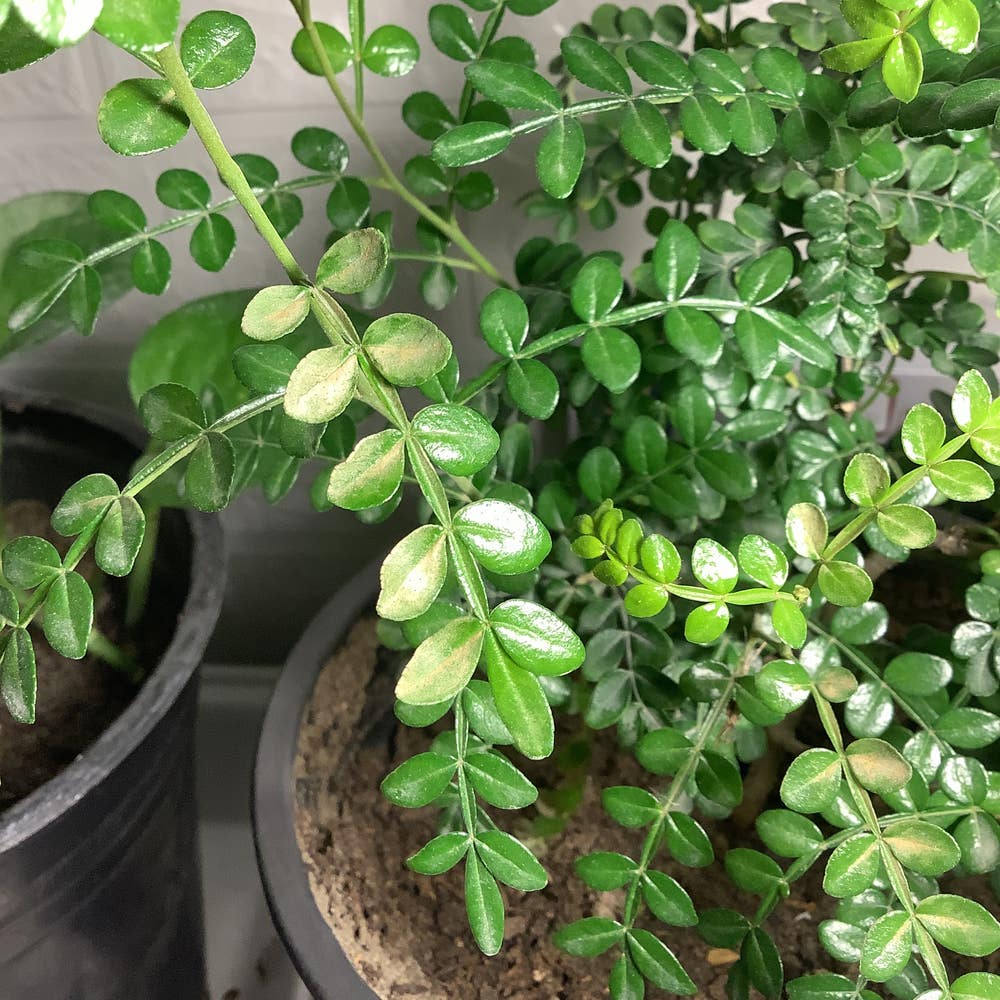
While Green Prickly Ash may not dazzle with flowers, it boasts striking ornamental features. Its unique leaf structure, characterized by glossy, serrated edges, creates a lush green canopy that adds texture to any landscape.
The spiny branches serve as both a visual and functional element. They provide a natural barrier, making the plant an excellent choice for privacy hedges or wildlife habitats. Beyond aesthetics, Green Prickly Ash has a rich history of medicinal uses, particularly in traditional medicine, where it has been valued for its anti-inflammatory properties.
🌱 Reproductive Strategies Without Flowers
Even without flowers, Green Prickly Ash has clever ways to thrive. One of its primary reproductive strategies is vegetative reproduction, particularly through root suckering. This method allows the plant to spread and establish new growth without relying on seeds.
Root suckering not only aids in survival but also helps the plant colonize areas effectively. This resilience ensures that Green Prickly Ash can flourish in various environments, showcasing its adaptability and strength.
As we explore the unique aspects of Green Prickly Ash, we’ll uncover more about its fascinating characteristics and ecological role.
Unique Aspects of Green Prickly Ash
🌿 Unusual Characteristics Related to Flowering or Non-Flowering
Green Prickly Ash stands out among flowering plants due to its unique adaptations. Instead of vibrant blooms, it showcases striking foliage and spiny branches, making it a distinctive ornamental choice.
This non-flowering nature allows the plant to conserve energy, focusing on robust growth and survival. Its spines not only deter herbivores but also contribute to its ecological role by providing shelter for various small creatures.
📚 Interesting Facts or Trivia About Reproductive Strategies
Did you know that Green Prickly Ash has fascinating reproductive strategies? While it may not produce showy flowers, it thrives through vegetative reproduction, such as root suckering, allowing it to spread effectively.
Historically, this plant has been valued in traditional medicine. Indigenous cultures have utilized its bark and leaves for various remedies, highlighting its cultural significance and versatility in herbal practices.
In summary, Green Prickly Ash may not bloom in the conventional sense, but its unique characteristics and historical uses make it a remarkable plant worth appreciating.
⚠️ Safety First
This content is for general information and may contain errors, omissions, or outdated details. It is not medical, veterinary advice, or an endorsement of therapeutic claims.
Always consult a qualified healthcare professional before using any plant as food, medicine, or supplement.
Never eat any plant (or feed one to pets) without confirming its identity with at least two trusted sources.
If you suspect poisoning, call Poison Control (800) 222-1222, the Pet Poison Helpline (800) 213-6680, or your local emergency service immediately.
Spotted an error? Please report it here.
Unlock the hidden blooms of your Green Prickly Ash 🌼 with Greg's tailored care reminders and tips to ensure optimal soil, sunlight, and watering for a thriving plant!