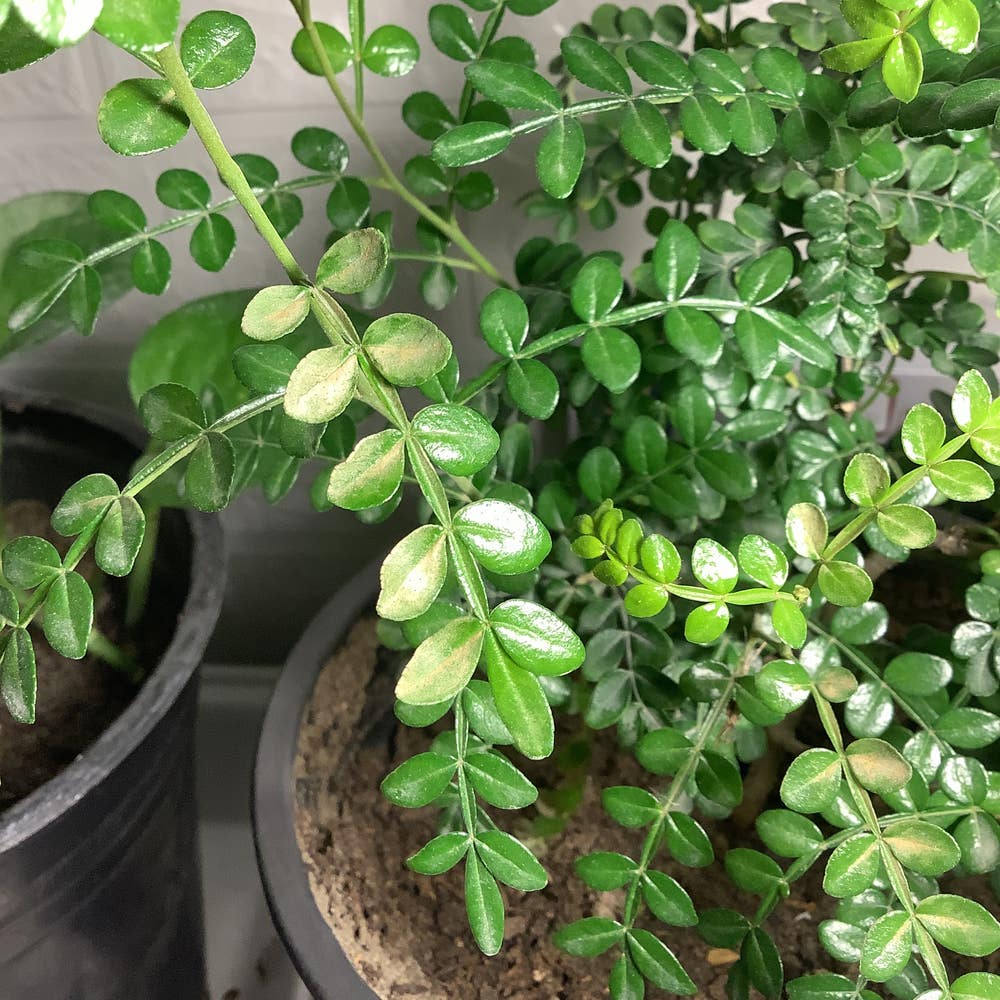
🐝 4 Easy Ways to Pollinate Green Prickly Ash
Zanthoxylum piperitum
By the Greg Editorial Team
Oct 17, 2024•6 min read
This article was created with the help of AI so we can cover more plants for you. May contain errors. See one? Report it here.
- 🌼 Green Prickly Ash attracts bees and butterflies with its yellow-green flowers for pollination.
- 🐝 Separate male and female flowers require cross-pollination for successful reproduction.
- 🌱 Create a pollinator-friendly garden to enhance pollination and support local ecosystems.
Flower Structure
Description of Flower Anatomy 🌼
The Green Prickly Ash boasts small, yellow-green flowers that bloom in clusters. This arrangement not only looks appealing but also makes it easier for pollinators to access the nectar.
These flowers are distinctively yellow-green, a color that attracts various pollinators. The clustered formation ensures that pollinators can visit multiple flowers in one go, maximizing their foraging efficiency.
Importantly, the plant features separate male and female flowers, typically found on different plants. This separation is crucial for the pollination process, as it encourages cross-pollination between plants.
Role in Pollination 🐝
The strategic arrangement of flowers plays a vital role in attracting pollinators, enhancing the chances of successful cross-pollination. When pollinators visit, they inadvertently transfer pollen from male to female flowers, facilitating reproduction.
Additionally, the aromatic leaves and spiny stems serve a dual purpose. They deter herbivores while simultaneously attracting specific pollinators, creating a balanced ecosystem around the Green Prickly Ash.
Understanding the flower structure and its role in pollination sets the stage for exploring the pollination process itself. Let's dive into how these beautiful flowers interact with their pollinators!
Pollination Process
🌬️ Mechanisms of Cross-Pollination
Pollination in Green Prickly Ash relies on the transfer of pollen from male to female flowers. This process occurs through both wind and the activity of various pollinators, making it essential for successful reproduction.
Timing is crucial for effective pollination. Flowers must bloom in sync with the activity of their pollinators to maximize the chances of pollen transfer.
🐝 Primary Pollinators
Bees are the primary pollinators, drawn in by the vibrant yellow-green color and sweet scent of the flowers. Their role is vital, as they efficiently collect and transfer pollen from one flower to another.
Butterflies also contribute significantly while feeding on nectar. Although less common, moths and hummingbirds play a role in pollination, adding to the diversity of pollinator activity.
Understanding these mechanisms and the key players involved can enhance your gardening efforts. By fostering a welcoming environment for these pollinators, you can ensure a thriving ecosystem around your Green Prickly Ash.
Next, we’ll explore the natural pollination process and its significance for reproduction and genetic diversity.
Natural Pollination
🌼 Pollen Transfer Mechanisms
Pollinators play a crucial role in the life cycle of Green Prickly Ash. They collect pollen from male flowers and transfer it to female flowers, ensuring successful fertilization.
This process is influenced by environmental factors such as temperature and humidity. Optimal conditions can enhance pollination success, while extreme fluctuations may hinder it.
🌱 Importance for Reproduction and Genetic Diversity
Successful pollination is vital for fruit production in Green Prickly Ash. It also fosters genetic variation, which is essential for the resilience of plant populations.
Moreover, this plant serves an ecological purpose by providing habitat and food for various wildlife species. Its role in the ecosystem highlights the interconnectedness of nature and the importance of preserving pollinator populations.
In the next section, we will explore hand pollination techniques, offering practical steps to ensure the continued success of Green Prickly Ash.
Hand Pollination
Step-by-Step Instructions 🌼
Hand pollination can be a rewarding way to ensure the successful reproduction of Green Prickly Ash. Here’s how to do it effectively:
Identify Male and Female Flowers: Look for male flowers, which produce pollen, and female flowers that feature a pistil. Knowing the difference is crucial for successful pollination.
Collecting Pollen: Gently tap or shake the male flowers to gather pollen. Use a small brush or cotton swab to collect it without damaging the flowers.
Transferring Pollen: Carefully apply the collected pollen to the stigma of the female flowers. This step is vital for fertilization and fruit development.
Timing: Perform hand pollination during peak flowering periods. This timing maximizes the chances of successful fertilization.
Identifying Flower Parts 🌸
Understanding the anatomy of the flowers is essential for effective hand pollination.
Male Flowers
Male flowers are typically smaller and more clustered. They have distinct anthers that release pollen, making them easy to spot.
Female Flowers
Female flowers are characterized by their pistil, which is often larger and more prominent. This structure is crucial for receiving pollen and facilitating fruit production.
By mastering these steps and flower identifications, you can significantly enhance the pollination success of your Green Prickly Ash. This not only supports plant reproduction but also contributes to the overall health of your garden ecosystem.
Next, let’s explore how to create a pollinator-friendly environment to further support these vital processes.
Supporting Pollinators
🌼 Creating a Pollinator-Friendly Environment
To attract a variety of pollinators, consider planting native flowers and shrubs. These plants are not only well-suited to your local ecosystem but also provide essential resources for bees, butterflies, and other beneficial insects.
Additionally, providing water sources and shelter is crucial. A small birdbath or a shallow dish can offer hydration, while dense shrubs can serve as safe havens for pollinators to rest and nest.
🌱 Companion Plants
Companion planting can enhance the pollination process for Green Prickly Ash. Consider adding milkweed, which is a magnet for monarch butterflies, or coneflower, known for attracting bees.
These companion plants not only thrive alongside Green Prickly Ash but also create a vibrant ecosystem that supports diverse pollinator species. By fostering such an environment, you contribute to the health and sustainability of your local wildlife.
Incorporating these strategies will not only benefit your garden but also support the broader ecosystem. As we move forward, let’s explore the challenges pollinators face and how we can help mitigate them.
Pollination Challenges
Common Obstacles 🌪️
Pollination can be hindered by various environmental factors. Temperature fluctuations and humidity levels can significantly impact the success of pollination, affecting both flower health and pollinator activity.
Another major challenge is the lack of pollinators in the area. Factors such as habitat loss, pesticide use, and climate change can lead to reduced pollinator populations, making it harder for plants like Green Prickly Ash to reproduce effectively.
Solutions 🌼
To improve local pollinator populations, consider planting diverse flora. Native plants not only attract a variety of pollinators but also provide essential resources for their survival.
Additionally, implementing techniques to mitigate environmental challenges is crucial. Creating microhabitats, such as shaded areas or windbreaks, can help stabilize temperature and humidity, fostering a more conducive environment for successful pollination.
By addressing these challenges, you can enhance the health of your garden and support the vital role of pollinators in our ecosystem.
⚠️ Safety First
This content is for general information and may contain errors, omissions, or outdated details. It is not medical, veterinary advice, or an endorsement of therapeutic claims.
Always consult a qualified healthcare professional before using any plant as food, medicine, or supplement.
Never eat any plant (or feed one to pets) without confirming its identity with at least two trusted sources.
If you suspect poisoning, call Poison Control (800) 222-1222, the Pet Poison Helpline (800) 213-6680, or your local emergency service immediately.
Spotted an error? Please report it here.
Pollinating your Green Prickly Ash is crucial for thriving fruit production 🍯, and with Greg's tailored advice on attracting pollinators, you can create the perfect environment for your plants to flourish!