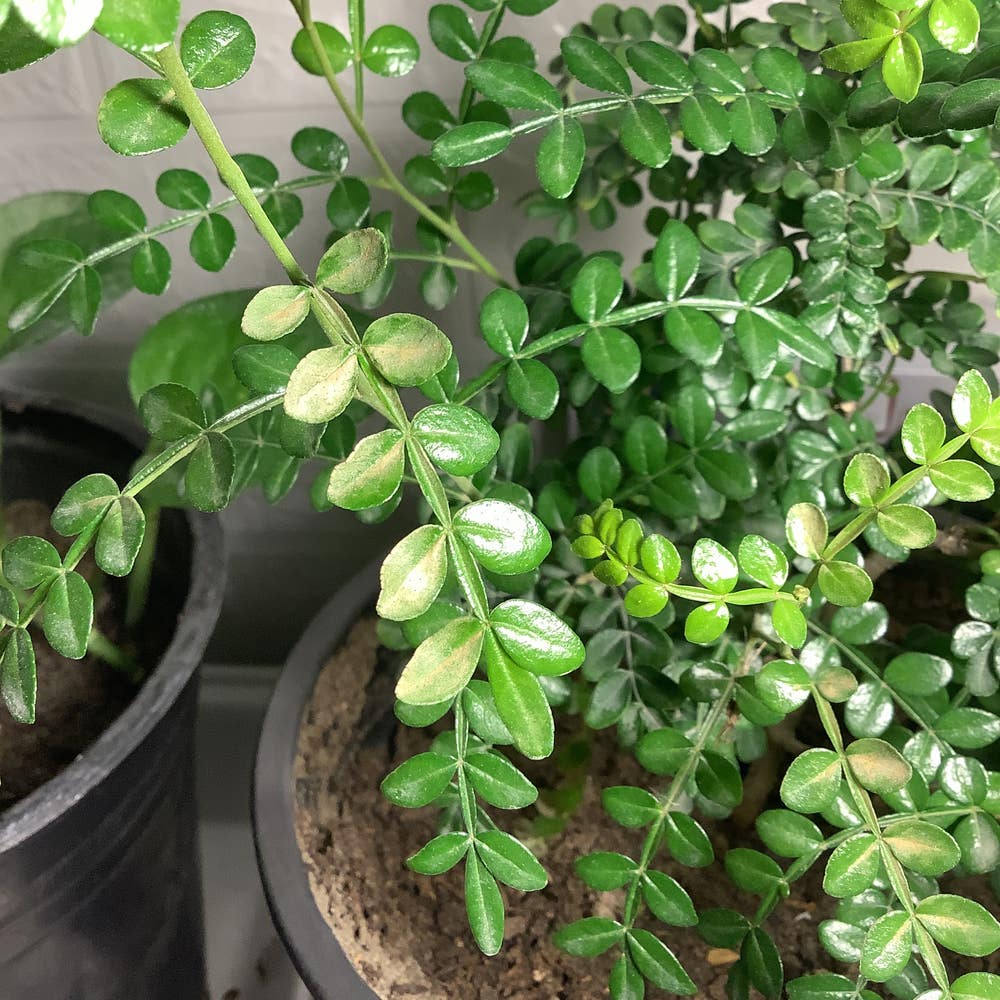
🌵 Green Prickly Ash Is a Perennial
Zanthoxylum piperitum
By the Greg Editorial Team
Oct 17, 2024•5 min read
This article was created with the help of AI so we can cover more plants for you. May contain errors. See one? Report it here.
- 🌱 Green Prickly Ash is a resilient perennial, regrowing from its roots each season.
- 🌿 It thrives in various soils and adapts well to different climates for optimal growth.
- 🌞❄️ Understanding seasonal changes helps gardeners optimize care and enhance plant health.
Characteristics of Green Prickly Ash as a Perennial
🌱 Definition and Lifecycle
Green Prickly Ash is a perennial plant, meaning it lives for more than two years and regrows from the same root system each season. This resilience allows it to thrive through various environmental conditions.
The lifecycle of Green Prickly Ash consists of three main phases: emergence, maturity, and dormancy. During emergence, the plant breaks through the soil, followed by a growth phase where it reaches maturity. Finally, it enters dormancy, resting until the next growing season.
🌿 Growth Patterns and Regrowth
The regrowth mechanism of Green Prickly Ash is fascinating. Its robust root system stores energy, enabling new growth each year, even after harsh winters.
This plant is also adaptable, thriving in various soil types and conditions. Whether in sandy, loamy, or clay soils, Green Prickly Ash can establish itself and flourish, making it a versatile choice for gardeners.
Understanding these characteristics helps in appreciating the resilience and beauty of Green Prickly Ash as a perennial. As we explore its seasonal changes and dormancy next, we’ll see how these traits contribute to its overall health and growth.
Seasonal Changes and Dormancy
🌱 Dormancy and Seasonal Effects
Dormancy in Green Prickly Ash is a fascinating phase. During colder months, the plant shows clear signs of slowing down, such as leaf drop and reduced activity.
Typically, this dormancy lasts several months, allowing the plant to conserve energy. Recognizing these signs helps gardeners understand when to adjust care routines.
🌼 Flowering Patterns and Impact of Seasonal Changes
As seasons shift, so do the flowering patterns of Green Prickly Ash. In spring, the plant bursts into life, showcasing vibrant flowers that attract pollinators.
Seasonal changes significantly impact growth and health. For instance, a warm, wet spring can lead to a more robust flowering season, while a harsh winter may delay growth in the following year.
Understanding these dynamics allows for better planning and care, ensuring your Green Prickly Ash thrives year after year.
With a solid grasp of dormancy and seasonal effects, you can appreciate the resilience of this perennial plant. Next, let’s explore its lifespan and the factors that influence its longevity.
Lifespan and Longevity
🌱 Expected Lifespan of Green Prickly Ash
Green Prickly Ash typically enjoys a lifespan of 20 to 30 years under optimal conditions. This longevity makes it a reliable choice for gardeners seeking a long-term addition to their landscape.
🌍 Influencing Environmental Factors
Several environmental factors can impact the longevity of Green Prickly Ash. Soil quality, moisture levels, and exposure to sunlight play crucial roles in determining how long these plants thrive.
- Soil Quality: Well-draining, nutrient-rich soil promotes healthy growth.
- Moisture Levels: Consistent watering, especially during dry spells, supports longevity.
- Sunlight Exposure: Adequate sunlight is essential for robust growth and flowering.
Understanding these factors can help you create the ideal environment for your Green Prickly Ash, ensuring it remains a vibrant part of your garden for years to come.
As you plan your garden, consider how these elements interact with the plant's natural lifecycle. This knowledge will not only enhance your gardening experience but also contribute to the overall health and longevity of your plants.
Next, let’s explore how Green Prickly Ash behaves across different climate zones.
Climate Zone Variations
🌍 Behavior Across Climate Zones
Green Prickly Ash thrives in various climates, showcasing its adaptability. In warmer regions, it flourishes with robust growth, while cooler climates may slow its development.
🌦️ Specific Climate Zones and Their Influence
Temperate Zones: Here, Green Prickly Ash enjoys a balanced climate, allowing for consistent growth and vibrant foliage. The moderate temperatures support its multi-year lifecycle effectively.
Subtropical Zones: In these areas, the plant can become quite lush, benefiting from the longer growing seasons. However, it may require some protection from extreme heat.
Cold Zones: Growth is slower, and the plant often enters dormancy earlier. It’s crucial to monitor for frost damage during the colder months.
Understanding how Green Prickly Ash interacts with its environment can help gardeners make informed decisions. By considering these climate variations, you can optimize your gardening strategy for this resilient perennial.
Next, let’s explore the seasonal changes and dormancy patterns that further influence its growth.
Gardening Benefits and Tips
🌿 Advantages of Green Prickly Ash
Green Prickly Ash offers significant advantages for gardeners. Its perennial nature means reduced replanting efforts, allowing you to enjoy its beauty year after year.
This long-term investment not only saves time but also enhances your garden's sustainability. Once established, it requires less maintenance compared to annual plants.
🗺️ Strategic Planning for Your Garden
To maximize the benefits of Green Prickly Ash, consider its placement carefully. Position it in areas where it can thrive, taking into account sunlight and soil conditions.
Regular maintenance practices, such as pruning and mulching, can enhance its growth. These strategies help maintain its health and vigor, ensuring it remains a vibrant part of your garden.
💭 Final Thoughts
Incorporating Green Prickly Ash into your garden can lead to a flourishing landscape with minimal effort. With thoughtful planning and care, you can create a sustainable and beautiful outdoor space that thrives for years to come.
Next, let’s explore how seasonal changes affect the growth and health of this remarkable perennial.
⚠️ Safety First
This content is for general information and may contain errors, omissions, or outdated details. It is not medical, veterinary advice, or an endorsement of therapeutic claims.
Always consult a qualified healthcare professional before using any plant as food, medicine, or supplement.
Never eat any plant (or feed one to pets) without confirming its identity with at least two trusted sources.
If you suspect poisoning, call Poison Control (800) 222-1222, the Pet Poison Helpline (800) 213-6680, or your local emergency service immediately.
Spotted an error? Please report it here.
Nurture your Green Prickly Ash to thrive for decades 🌳 with Greg's personalized care tips and reminders, ensuring it flourishes in the perfect environment!