🌵 3 Factors Influencing Green Prickly Ash Growth
Zanthoxylum piperitum
By the Greg Editorial Team
Oct 17, 2024•5 min read
This article was created with the help of AI so we can cover more plants for you. May contain errors. See one? Report it here.
- 🌱 Germination takes 2-4 weeks; optimal conditions include warm, moist, well-drained soil.
- ☀️ Indirect sunlight is best for seedlings, supporting healthy growth during early stages.
- 🌳 Mature plants reach 3-10 feet in 5-10 years, thriving in nutrient-rich soils.
Germination Stage
🌱 Duration of Germination
The average germination period for green prickly ash seeds is typically between 2 to 4 weeks. This timeframe can vary based on factors like temperature and moisture levels, which play a crucial role in kickstarting the germination process.
🌧️ Conditions for Successful Germination
To ensure successful germination, the right soil conditions are vital. Aim for well-drained, loamy soil that allows for proper root development.
Temperature Range
The ideal temperature for germination falls between 65°F to 75°F (18°C to 24°C). Keeping the seeds within this range will enhance their chances of sprouting.
Moisture Needs
Consistent moisture is essential, but be cautious of waterlogging. The seeds thrive in conditions that are moist yet well-drained.
Light Exposure
Green prickly ash seeds prefer indirect sunlight during germination. This light exposure helps stimulate growth without overwhelming the delicate seedlings.
By understanding these germination conditions, you can set the stage for healthy growth. Next, we’ll explore the seedling stage and what to expect as your green prickly ash begins to develop.
Seedling Stage
Length of Seedling Development 🌱
The seedling stage is crucial for the Green Prickly Ash, lasting between 6 to 12 months. During this time, the seedlings develop the strength needed for transplanting, which is indicated by the presence of 3 to 4 true leaves.
Key Characteristics of Seedlings 🌿
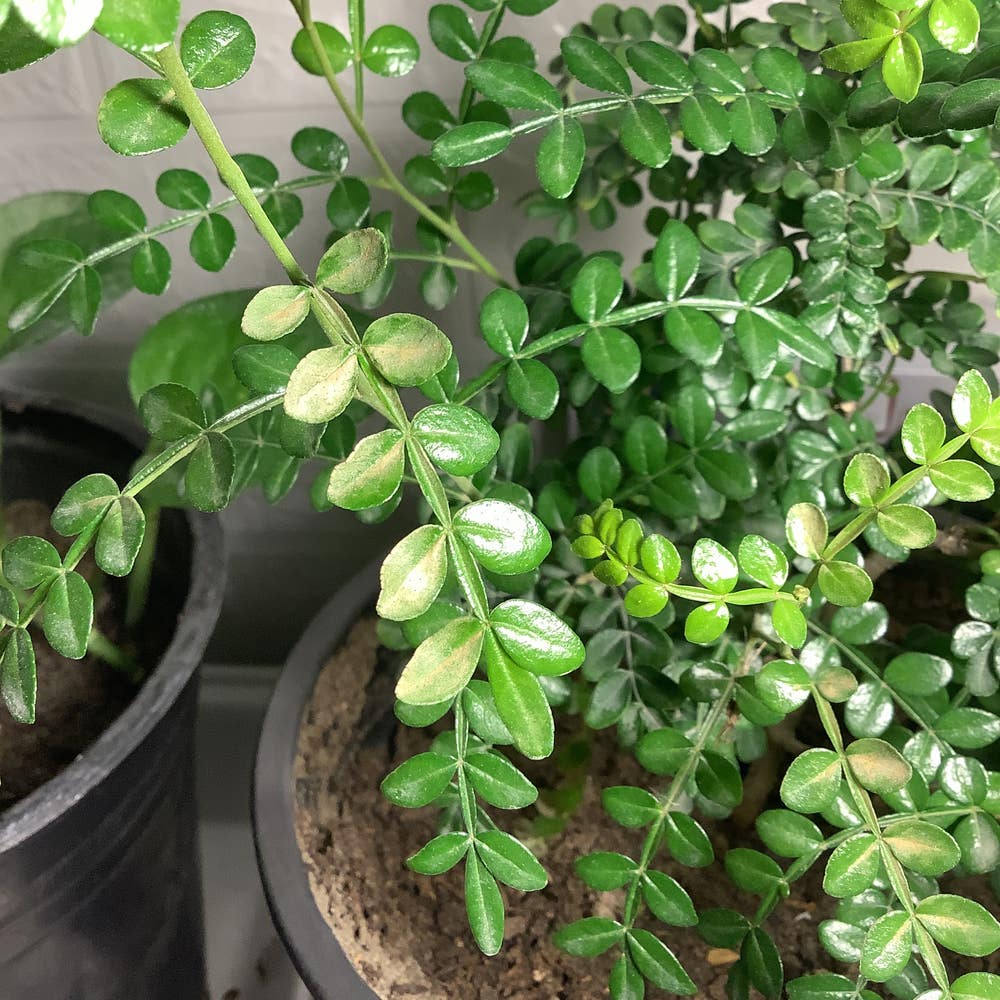
Seedlings typically stand between 4 to 12 inches tall, showcasing their growth potential. Their leaves are simple and compound, often glossy, adding to their visual appeal.
Stem Characteristics 🌳
The stems of these young plants are thin and green, displaying initial prickly features. This unique characteristic sets the foundation for the plant's future growth and resilience.
As the seedlings mature, they prepare for the next stage of development, transitioning into a more robust vegetative growth phase. This journey is essential for ensuring a healthy, thriving Green Prickly Ash.
Vegetative Growth Stage
Duration of Vegetative Growth 🌱
The vegetative growth stage of the green prickly ash typically lasts between 2 to 5 years. This duration can vary significantly based on environmental conditions, such as soil quality and climate.
Changes in Plant Structure and Health 🌿
During this phase, the plant can grow impressively tall, reaching heights of 3 to 10 feet.
Leaf Changes
You'll notice a fascinating transition in leaf structure as the plant matures. Juvenile leaves give way to more complex, mature forms, showcasing the plant's development.
Health Indicators
Healthy growth is marked by increased branching and thicker stems. These indicators signal that your green prickly ash is thriving and adapting well to its environment.
As the vegetative growth stage progresses, the plant's resilience and beauty become more pronounced. This stage sets the foundation for the flowering and seed production that follows, making it a crucial period in the plant's life cycle.
Flowering and Seed Production
Timing of Flowering 🌸
The flowering period for Green Prickly Ash typically occurs from late spring to early summer, specifically between May and June. This vibrant display lasts for about 2 to 4 weeks, marking a crucial phase in the plant's life cycle.
Pollination and Seed Production 🐝
During flowering, the plant produces small, yellow-green flowers that cluster together, creating a striking visual. These flowers are primarily insect-pollinated, attracting bees and other pollinators, which play a vital role in the reproduction process.
The seed production phase follows flowering, lasting approximately 1 to 2 months. Several factors influence seed viability, including environmental conditions and genetic factors, which can significantly impact the success of future generations.
Understanding these stages is essential for anyone interested in cultivating Green Prickly Ash. The interplay between flowering and seed production sets the foundation for the plant's growth and sustainability, ensuring its place in the ecosystem.
As we transition to the next topic, let's explore how long it takes for this remarkable plant to reach full maturity and the factors that influence its growth rate.
Growth Rate and Maturation
How Long Until Fully Grown? 🌱
Green prickly ash typically reaches full maturity in 5 to 10 years. The exact timeline varies based on environmental conditions, including soil quality and climate.
Factors Affecting Growth Rate 🌍
Several key factors influence the growth rate of green prickly ash:
Soil Quality: Nutrient-rich, well-draining soils significantly promote faster growth. Poor soil can hinder development.
Water Availability: Consistent moisture levels are crucial. Both drought and overwatering can stunt growth.
Light Exposure: This plant thrives in full sun to partial shade. Adequate light enhances overall growth and health.
Notable Changes Throughout the Life Cycle 🌿
As green prickly ash matures, it undergoes several notable changes:
Leaf Structure: The plant transitions from juvenile to mature leaf forms, showcasing a more complex structure.
Stem Development: As it matures, the stems develop prickly features, adding to the plant's character.
Flowering Patterns: Changes in flowering patterns and seed production capabilities emerge, reflecting the plant's maturity and health.
Understanding these growth dynamics can help you cultivate a thriving green prickly ash. With the right conditions, you can witness its transformation from a seedling to a robust, mature plant. Next, let’s explore the fascinating world of flowering and seed production.
⚠️ Safety First
This content is for general information and may contain errors, omissions, or outdated details. It is not medical, veterinary advice, or an endorsement of therapeutic claims.
Always consult a qualified healthcare professional before using any plant as food, medicine, or supplement.
Never eat any plant (or feed one to pets) without confirming its identity with at least two trusted sources.
If you suspect poisoning, call Poison Control (800) 222-1222, the Pet Poison Helpline (800) 213-6680, or your local emergency service immediately.
Spotted an error? Please report it here.
Cultivating green prickly ash is a rewarding journey, and with Greg's tailored watering reminders and expert tips, you can achieve thriving growth 🌿 for your plants every step of the way!