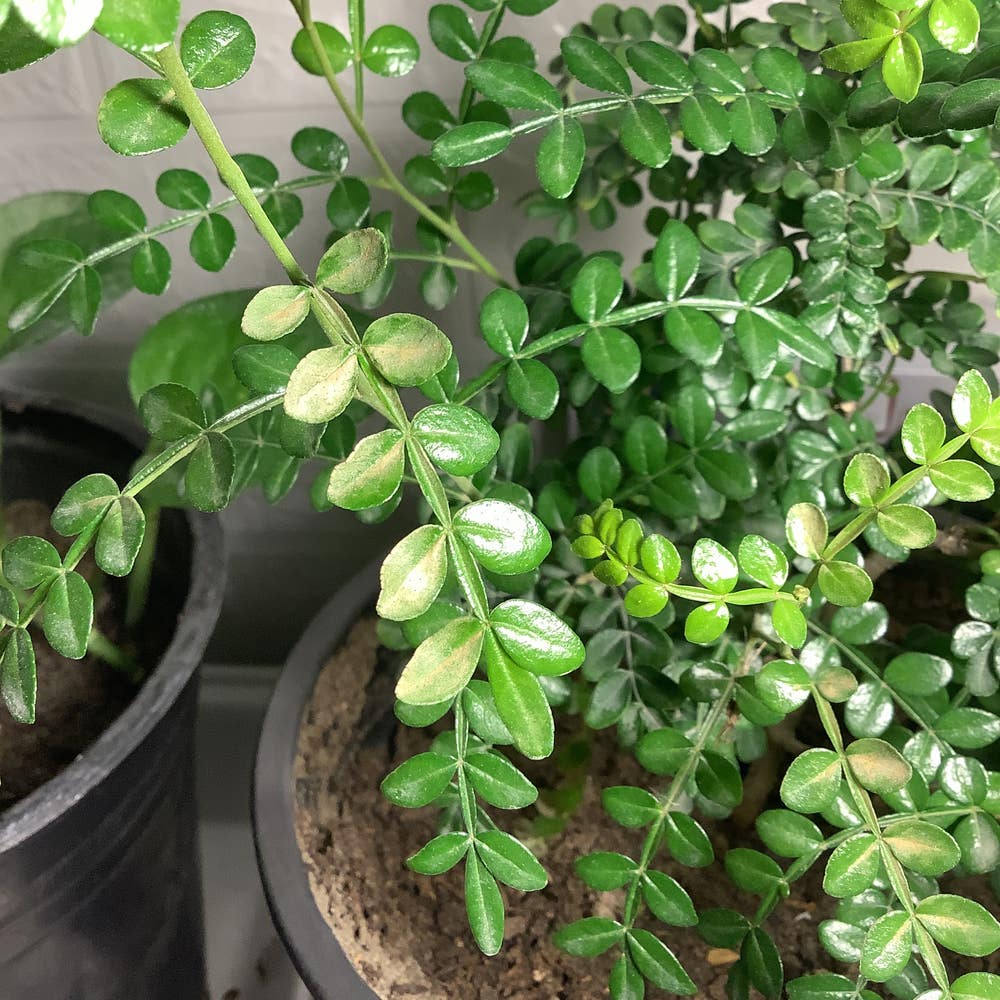
🌵 How to Know When to Repot Your Green Prickly Ash
Zanthoxylum piperitum
By the Greg Editorial Team
Oct 17, 2024•6 min read
This article was created with the help of AI so we can cover more plants for you. May contain errors. See one? Report it here.
- 🌱 Stunted growth and roots showing indicate it's time to repot your Green Prickly Ash.
- 🏺 Choose a pot 1-2 inches larger for optimal growth and root health.
- 💧 Use well-draining soil and monitor post-repotting care to prevent transplant shock.
Signs That Indicate It's Time to Repot
🌱 Growth Indicators
One of the first signs that your Green Prickly Ash needs repotting is stunted growth. If you notice a lack of new leaves or branches, it’s a clear indication that your plant is feeling cramped.
Another growth indicator is root emergence. If you see roots poking above the soil surface or through the drainage holes, it’s time to give your plant a new home.
🪴 Container Size
Check the container size as well. If the roots are filling the pot, it signals that your plant needs a larger space to thrive.
🧪 Soil Condition
Soil condition is crucial too. Compacted or depleted soil that fails to retain moisture effectively can hinder your plant's growth.
⏰ Seasonal Timing
Timing is everything when it comes to repotting. The best time to repot your Green Prickly Ash is early spring, just before new growth begins. This ensures your plant can adjust and flourish in its new environment.
Recognizing these signs will help you maintain a healthy and vibrant Green Prickly Ash. Next, let’s explore how to check for root-bound conditions to ensure your plant is ready for a new pot.
How to Check for Root Bound Conditions
👀 Visual Inspection
To determine if your Green Prickly Ash is root bound, start with a visual inspection. Look for roots that are circling the pot or tightly packed against the sides.
🧪 Physical Test
- Gently remove the plant from its pot to avoid damaging the roots.
- Examine the root ball for tightness and any circling roots.
- Check for a dense, compacted root mass that indicates overcrowding.
⚠️ Importance of Addressing Root Bound Conditions
Ignoring root bound conditions can lead to serious consequences. Poor nutrient uptake, stunted growth, and increased susceptibility to diseases are just a few issues that can arise.
Recognizing these signs early can save your plant from unnecessary stress. By taking action, you ensure your Green Prickly Ash thrives in its environment.
Next, let’s explore the best practices for repotting your plant effectively.
Best Practices for Repotting
🌱 Timing and Preparation
The best time to repot your Green Prickly Ash is during early spring or late winter. This timing allows the plant to adjust before the growing season kicks in.
Before you start, gather your tools: a new pot, quality potting soil, and pruning shears. Having everything ready will make the process smoother and more efficient.
🛠️ Step-by-Step Repotting Instructions
Choose a new pot: Select one that is 1-2 inches larger in diameter than the current pot. This extra space gives roots room to grow.
Prepare potting soil: Use a well-draining mix specifically designed for Prickly Ash. Good drainage is crucial for healthy roots.
Remove the plant: Gently slide the plant out of its old pot. Be careful not to damage the roots during this process.
Inspect and prune roots: Look for any damaged or excessively long roots and trim them. Healthy roots are vital for nutrient uptake.
Place in new pot: Position the plant at the same depth as it was in the old pot. This consistency helps reduce transplant shock.
Fill with soil: Add potting mix around the root ball, ensuring there are no air pockets. Air pockets can lead to root rot.
Water thoroughly: After repotting, water the plant well. The soil should be moist but not waterlogged, promoting healthy growth.
Following these best practices will set your Green Prickly Ash up for success in its new home. With the right care, your plant will thrive and flourish.
Next, let’s explore the various pot material options to ensure you choose the best fit for your plant.
Pot Material Options
Choosing the right pot material for your Green Prickly Ash can significantly impact its health and growth. Each material has its unique benefits and drawbacks, so let’s break them down.
🎨 Ceramic
Ceramic pots are known for their aesthetic appeal and good insulation properties. However, they can be quite heavy and may retain moisture more than desired, which could lead to root rot if not monitored closely.
🥤 Plastic
Plastic pots are lightweight and affordable, making them a popular choice among plant enthusiasts. They offer good drainage options but are less breathable, which can cause the soil to heat up quickly in direct sunlight.
🍂 Terracotta
Terracotta pots excel in breathability and drainage, allowing for better air circulation around the roots. On the downside, they are prone to cracking and can dry out quickly, requiring more frequent watering.
🪣 Metal
Metal pots provide a modern look and are highly durable. However, they can overheat in direct sunlight and offer poor insulation, which might stress your plant during extreme temperature changes.
🏆 Recommendations for Best Pot Materials
For optimal growth, consider using terracotta pots for their excellent drainage capabilities. If you prefer something lightweight, plastic pots are a solid alternative. Each option has its merits, so choose based on your specific needs and environment.
With the right pot material in hand, you’re one step closer to ensuring your Green Prickly Ash thrives. Next, let’s explore how to care for your plant after repotting to minimize any potential transplant shock.
Post-Repotting Care
How to Minimize Transplant Shock 🌱
After repotting your Green Prickly Ash, it's crucial to minimize transplant shock. Start by watering the plant thoroughly to help it settle into its new home.
Avoid placing it in direct sunlight for a few days. This gives the plant time to adjust without the stress of harsh light.
Watering Schedule After Repotting 💧
Watering is key to a successful transition. Immediately after repotting, give your plant a good drink.
Then, allow the top inch of soil to dry out before watering again. This prevents overwatering, which can lead to root rot.
Monitoring Plant Health Post-Repotting 👀
Keep an eye on your plant's health as it adjusts. Look for signs of recovery, such as new growth and vibrant leaf color.
Be alert for warning signs like wilting, yellowing leaves, or stunted growth. Addressing these issues early can help your Prickly Ash thrive in its new pot.
With proper care, your plant will bounce back and flourish, setting the stage for a healthy growing season ahead.
Common Challenges
Issues That May Arise During Repotting 🌱
Repotting your Green Prickly Ash can come with its own set of challenges. One common issue is root damage, which can occur when breaking or tearing roots during removal.
Another problem is using an inappropriate soil mix. This can lead to poor drainage and affect the plant's overall health.
Solutions for Common Repotting Problems 🛠️
If you encounter root damage, don't panic. Simply trim any damaged roots and provide extra care post-repotting to help your plant recover.
For soil issues, always opt for a well-draining mix specifically tailored for Prickly Ash. This ensures your plant gets the moisture it needs without becoming waterlogged.
How to Handle Root Damage During Repotting ⚠️
When dealing with root damage, best practices are key. Use sterilized shears for clean cuts to minimize stress on the plant.
Additionally, avoid excessive handling of the roots. This helps maintain their integrity and promotes quicker recovery.
With these tips in mind, you can navigate the challenges of repotting with confidence. Next, let’s explore how to care for your plant after repotting to ensure it thrives.
⚠️ Safety First
This content is for general information and may contain errors, omissions, or outdated details. It is not medical, veterinary advice, or an endorsement of therapeutic claims.
Always consult a qualified healthcare professional before using any plant as food, medicine, or supplement.
Never eat any plant (or feed one to pets) without confirming its identity with at least two trusted sources.
If you suspect poisoning, call Poison Control (800) 222-1222, the Pet Poison Helpline (800) 213-6680, or your local emergency service immediately.
Spotted an error? Please report it here.
Repot your Green Prickly Ash at the right time for vibrant growth 🌱—let Greg guide you with tailored reminders and expert tips for a thriving plant!