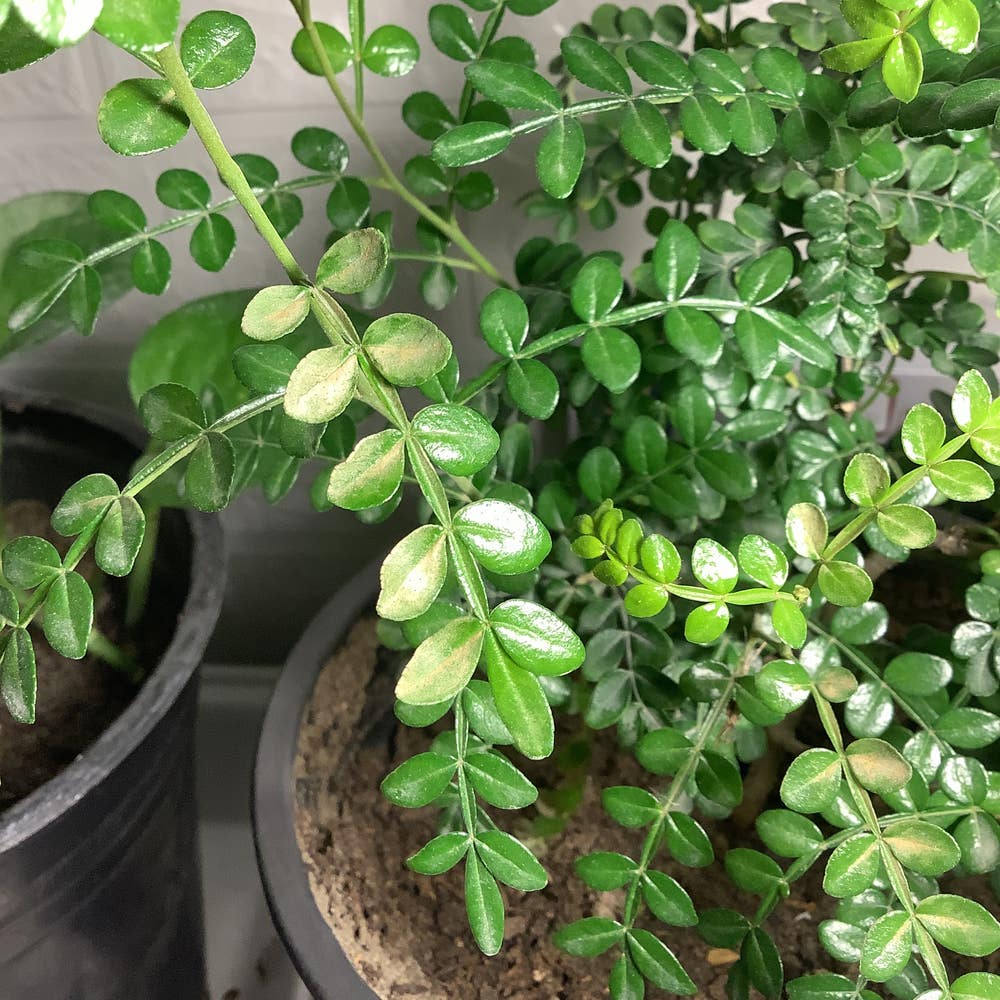
🌵 4 Tips for Growing Green Prickly Ash Outdoors
Zanthoxylum piperitum
By the Greg Editorial Team
Oct 17, 2024•5 min read
This article was created with the help of AI so we can cover more plants for you. May contain errors. See one? Report it here.
- ☀️ Green Prickly Ash needs 6-8 hours of sunlight daily for optimal growth.
- 💧 Water deeply every 1-2 weeks; adjust based on rainfall to prevent root issues.
- 🌱 Well-drained sandy loam is ideal; enrich soil with organic matter for better health.
Sunlight and Watering Needs
Ideal Sunlight Conditions 🌞
Green Prickly Ash thrives in full sun to partial shade, requiring about 6-8 hours of sunlight daily. This exposure is crucial for robust growth and vibrant flowering.
Watering Requirements and Frequency 🚰
Upon planting, give your Green Prickly Ash a deep watering to establish strong roots. After that, water every 1-2 weeks, adjusting based on rainfall.
Signs of Overwatering or Underwatering ⚠️
Keep an eye on your plant's health. Overwatering can lead to yellowing leaves and root rot, while underwatering may cause wilting and leaf drop.
Understanding these needs will set the foundation for a thriving Green Prickly Ash. Next, let’s explore the soil preferences and fertilization strategies essential for optimal growth.
Soil Preferences and Fertilization
Best Soil Types 🌱
Green Prickly Ash thrives in well-drained soils, particularly sandy loam or loamy types. While these are preferred, the plant can adapt to various soil conditions, including clay.
Fertilization Schedule 📅
To keep your Green Prickly Ash healthy, fertilize it in early spring and mid-summer. A balanced NPK fertilizer, like 10-10-10, or organic compost works wonders for growth.
Soil Amendments for Optimal Growth 🌿
Incorporating organic matter, such as compost or well-rotted manure, enriches the soil. Aim for a pH level between 6.0 and 7.5 for optimal growth.
Understanding these soil preferences and fertilization needs will set you on the right path for a flourishing Green Prickly Ash. Next, let’s explore the best planting options: container versus in-ground.
Planting Options: Container vs. In-Ground
🌱 Benefits and Drawbacks of Container Planting
Container planting offers remarkable mobility. You can easily reposition your Green Prickly Ash to capture optimal sunlight or provide protection from harsh weather.
Another advantage is the control over soil quality and drainage. You can select the perfect mix for your plant's needs. However, limited root space can restrict growth, making it crucial to choose an adequately sized container.
Additionally, container plants often require increased watering. The soil tends to dry out faster, so regular checks are essential to keep your plant thriving.
🌍 Benefits and Drawbacks of In-Ground Planting
In-ground planting allows for a larger root system, which promotes healthier growth. This natural setup also aids in moisture retention, meaning less frequent watering is needed.
On the downside, you have less control over soil conditions. You may need to amend the soil to ensure optimal growth. Furthermore, plants in the ground can be more vulnerable to pests and diseases, requiring vigilant monitoring.
🤔 Choosing the Right Option
When deciding between container and in-ground planting, start by assessing your available space and sunlight. Consider how much room you have and the sunlight your plant will receive throughout the day.
Next, think about your local climate and soil conditions. These factors will significantly influence your plant's success, so choose the option that best aligns with your environment.
With these considerations in mind, you can confidently select the best planting option for your Green Prickly Ash, setting the stage for a thriving garden.
Protection from Weather, Pests, and Diseases
🌧️ Weather Protection Strategies
Protecting your Green Prickly Ash from extreme weather is crucial for its health. For frost, cover the plants with burlap or frost cloth to shield them from cold snaps.
During scorching summer days, providing shade can help prevent heat stress. Consider using shade cloth or strategically placing taller plants nearby for natural protection.
Wind can be another enemy. Planting windbreaks or using stakes can help stabilize your plants and reduce damage from strong gusts.
🐜 Common Outdoor Pests and Control Methods
Aphids are a common nuisance. Look for signs like curled leaves or sticky residue. Control them with insecticidal soap for effective results.
Spider mites thrive in dry conditions. If you notice tiny webs or stippling on leaves, increase humidity around the plant to manage their population.
Scale insects can be tricky. Prevention is key; use neem oil to treat infestations and keep your plants healthy.
🦠 Diseases to Watch For and Prevention Tips
Root rot is a serious concern, often caused by overwatering. Symptoms include yellowing leaves and a mushy root system. Ensure your soil is well-drained to prevent this issue.
Powdery mildew can appear as a white, powdery coating on leaves. To combat it, maintain proper spacing between plants to improve airflow and reduce humidity.
By staying vigilant against weather extremes, pests, and diseases, you can ensure your Green Prickly Ash thrives. Next, let’s explore seasonal care and how to adapt your approach based on climate zones.
Seasonal Care and Climate Zone Considerations
🌱 Seasonal Changes and Their Impact on Care
Spring is a crucial time for your Green Prickly Ash. This is when you should focus on fertilization and monitoring new growth to ensure a healthy start.
As summer rolls in, adjust your watering routine and keep an eye out for pests. Regular inspections can prevent infestations from taking hold.
In the fall, it's time to prepare for winter. Pruning dead or damaged branches not only tidies up your plant but also promotes better growth in the coming season.
🌍 Special Considerations for Different Climate Zones
Understanding your USDA Hardiness Zone is essential for successful growth. Green Prickly Ash thrives best in zones 3-9, so knowing your zone helps tailor your care.
Adjust your gardening practices based on local climate conditions. For instance, if you live in a hotter area, you may need to provide extra shade during peak summer heat.
❄️ Preparing for Winter
Mulching is a fantastic way to insulate roots and retain moisture during the colder months. A good layer of mulch can make all the difference in protecting your plant.
Before winter sets in, take the time to prune away any dead or damaged branches. This not only keeps your plant healthy but also prepares it for a vigorous spring revival.
With these seasonal care tips, your Green Prickly Ash will be well-equipped to thrive year-round. Next, let’s explore how to protect your plant from weather extremes, pests, and diseases.
⚠️ Safety First
This content is for general information and may contain errors, omissions, or outdated details. It is not medical, veterinary advice, or an endorsement of therapeutic claims.
Always consult a qualified healthcare professional before using any plant as food, medicine, or supplement.
Never eat any plant (or feed one to pets) without confirming its identity with at least two trusted sources.
If you suspect poisoning, call Poison Control (800) 222-1222, the Pet Poison Helpline (800) 213-6680, or your local emergency service immediately.
Spotted an error? Please report it here.
Grow your Green Prickly Ash to new heights 🌱 with Greg's tailored watering and care reminders, ensuring it gets the sunlight and nutrients it craves for vibrant growth!