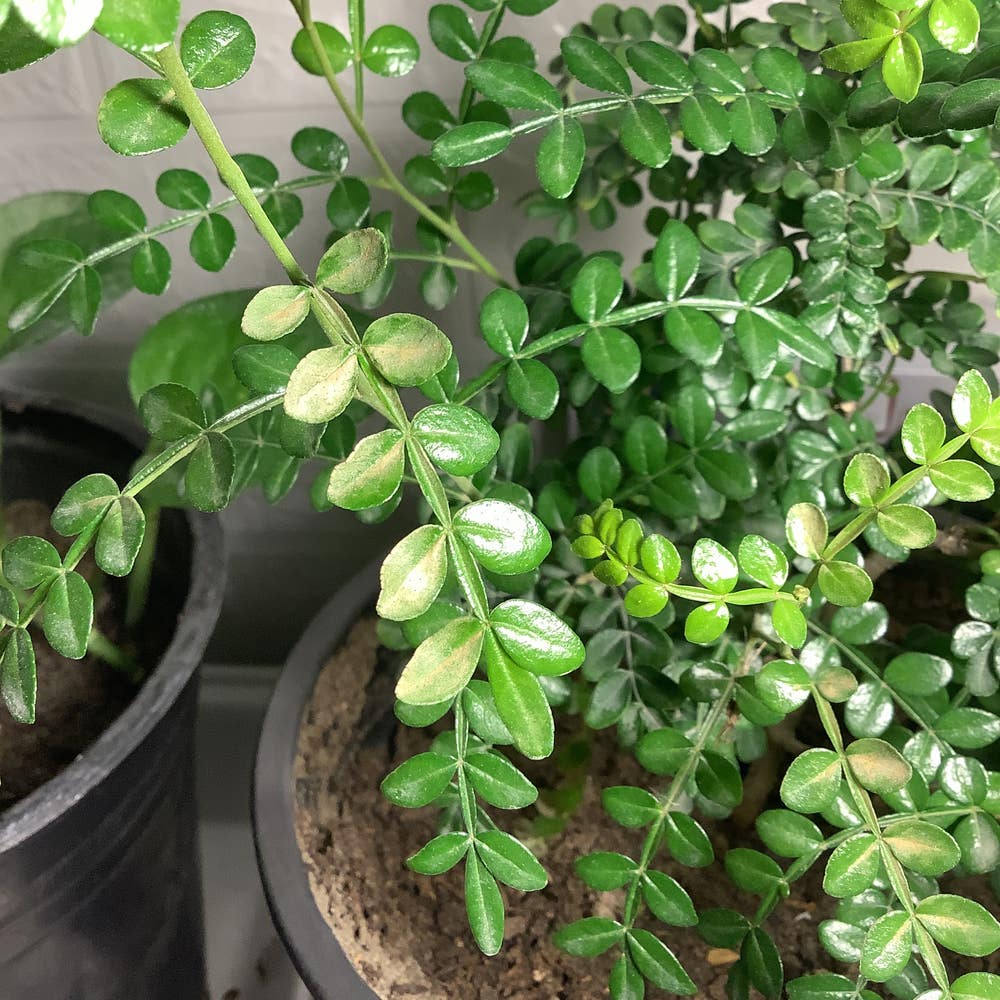
🟢 How to Fix Black Spots on Your Green Prickly Ash
Zanthoxylum piperitum
By the Greg Editorial Team
Oct 17, 2024•5 min read
This article was created with the help of AI so we can cover more plants for you. May contain errors. See one? Report it here.
- 🌱 Identify black spot causes: fungal infections or pests for effective treatment.
- 💧 Monitor soil moisture: overwatering and underwatering lead to black spots.
- 🌿 Use organic remedies: neem oil and baking soda effectively combat black spots.
Diagnosing the Problem
🦠 Differentiating Between Fungal and Pest Issues
Identifying the root cause of black spots on your Prickly Ash is crucial. Fungal infections often present as black spots, accompanied by wilting leaves and premature leaf drop.
In contrast, pest damage manifests differently. Look for holes in the leaves, sticky residue, or even visible insects. These signs can help you quickly determine whether you're dealing with a fungal issue or a pest problem.
🌧️ Environmental Factors Contributing to Black Spots
Soil moisture levels play a significant role in leaf health. Overwatering can suffocate roots, while underwatering stresses the plant, both leading to black spots.
Humidity and temperature are also key players. Prickly Ash thrives in specific conditions, so maintaining the right balance is essential.
Light exposure shouldn't be overlooked either. Too much sunlight can scorch leaves, while too little can weaken the plant, making it more susceptible to issues.
Understanding these factors will empower you to take the right steps in caring for your Prickly Ash. With a clear diagnosis, you're one step closer to restoring its vibrant health.
Treatment Options
🌱 Organic Treatments for Black Spots
Neem Oil
Neem oil is a fantastic organic solution for treating black spots. To apply, mix 2 tablespoons of neem oil with a gallon of water and a few drops of dish soap. Spray this mixture on the affected leaves every 7-14 days for best results.
Baking Soda Solution
A simple baking soda solution can also help combat black spots. Mix 1 tablespoon of baking soda with 1 gallon of water and a few drops of dish soap. Spray this on the leaves, ensuring thorough coverage, especially on the undersides.
Other Organic Remedies
Consider using garlic spray or horticultural soap as additional organic options. Garlic spray can deter pests while also addressing fungal issues. Horticultural soap works by suffocating pests, providing a dual benefit.
🧪 Chemical Treatments and Fungicides
Recommended Fungicides
If organic methods don’t yield results, consider chemical fungicides. Look for products containing chlorothalonil or copper-based fungicides. Follow the application guidelines on the label for effective treatment.
Safety Precautions
When using chemical treatments, always prioritize safety. Protect beneficial insects by applying treatments in the evening when they are less active. Ensure surrounding plants are shielded from overspray to maintain a healthy garden ecosystem.
📋 Step-by-Step Guide to Applying Treatments
Identify the Issue
Confirm whether the problem is fungal or pest-related. This step is crucial for selecting the right treatment.Prepare the Treatment
Mix your chosen organic or chemical solution according to the instructions. Proper preparation ensures effectiveness.Application
Spray or apply the treatment directly to the affected areas. Make sure to cover both sides of the leaves for comprehensive protection.Frequency
Reapply your chosen treatment every 7-14 days until you notice improvement. Consistency is key to overcoming black spots.
By following these treatment options, you can effectively tackle black spots on your green prickly ash. Next, let’s explore preventive measures to keep your plants healthy and vibrant.
Preventive Measures
🌊 Best Practices for Watering and Soil Management
Maintaining a consistent watering schedule is crucial for your Prickly Ash. Aim to water deeply but infrequently, allowing the top inch of soil to dry out between waterings to prevent black spots.
Soil drainage is equally important. Ensure your soil is well-draining to avoid waterlogged conditions, which can lead to fungal infections and other issues.
🌬️ Importance of Proper Spacing and Air Circulation
Proper spacing between plants is essential for healthy growth. Aim for at least 2 to 3 feet between each Prickly Ash to promote air circulation.
Good air circulation helps reduce humidity around the leaves, making it harder for fungal spores to thrive. This simple step can significantly decrease the likelihood of black spots.
🍂 Seasonal Care Tips to Prevent Black Spots
In spring, prepare your plants for growth by pruning dead or damaged branches. This encourages new growth and improves air circulation.
During summer, keep a close eye on moisture levels. Hot weather can dry out the soil quickly, so adjust your watering routine as needed.
As fall approaches, take time to reduce leaf litter and debris around your plants. This helps prevent fungal spores from overwintering and causing problems in the spring.
By following these preventive measures, you can keep your Prickly Ash healthy and vibrant. Next, we’ll explore how to monitor and maintain your plants for ongoing health and vitality.
Monitoring and Maintenance
Regular Inspection of Leaves 🌿
To keep your green prickly ash thriving, conduct weekly inspections. Look for early signs of black spots, which can indicate underlying issues.
Pay attention to changes in leaf color, texture, and overall health. Catching problems early can make a significant difference in treatment effectiveness.
Signs of Recovery and Ongoing Care 🌱
As your plant begins to recover, watch for indicators like new growth and a reduction in black spots. These signs show that your efforts are paying off.
Continue to adjust your watering and treatment frequency as needed. Consistent care will help maintain your prickly ash's health and vibrancy.
By staying proactive, you can ensure your plant remains a lush and beautiful addition to your garden.
⚠️ Safety First
This content is for general information and may contain errors, omissions, or outdated details. It is not medical, veterinary advice, or an endorsement of therapeutic claims.
Always consult a qualified healthcare professional before using any plant as food, medicine, or supplement.
Never eat any plant (or feed one to pets) without confirming its identity with at least two trusted sources.
If you suspect poisoning, call Poison Control (800) 222-1222, the Pet Poison Helpline (800) 213-6680, or your local emergency service immediately.
Spotted an error? Please report it here.
Revitalize your Prickly Ash and banish those black spots 🌿 with Greg's tailored care reminders and expert tips to keep your plant thriving!