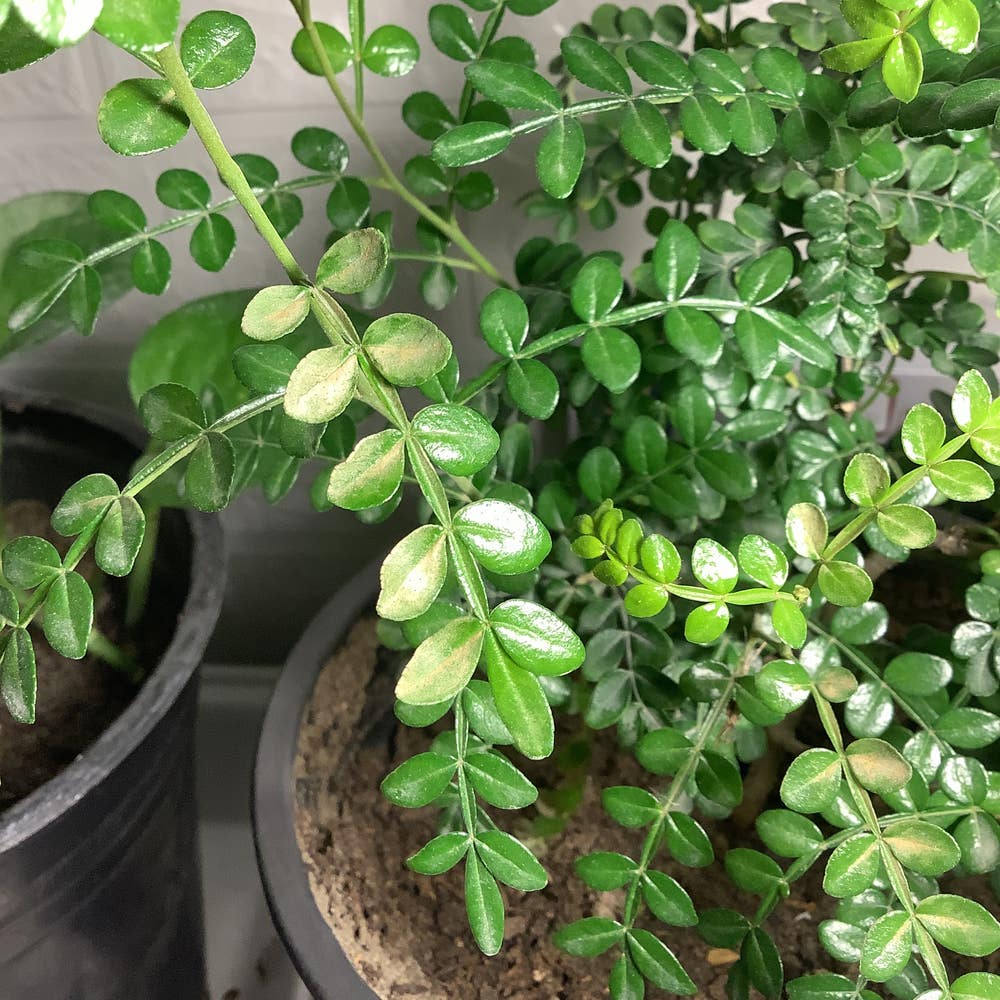
🩹 How to Fix Brown Spots on Your Green Prickly Ash
Zanthoxylum piperitum
By the Greg Editorial Team
Oct 17, 2024•5 min read
This article was created with the help of AI so we can cover more plants for you. May contain errors. See one? Report it here.
- 🌱 Identify causes like overwatering and pests to effectively treat brown spots.
- 💧 Adjust watering based on soil moisture to prevent future brown spots.
- 🌿 Use organic treatments like neem oil for a healthier, chemical-free approach.
Treating Brown Spots on Green Prickly Ash
🌱 Step-by-Step Guide to Treating Brown Spots
Identifying the cause of brown spots is the first step in treatment. Common culprits include overwatering, fungal infections, or pest infestations.
Next, adjust your watering practices based on soil moisture levels. Use a moisture meter or your finger to check the soil; it should be moist but not soggy.
Once you’ve diagnosed the issue, apply appropriate treatments. This could range from fungicides to simple adjustments in care.
🧪 Recommended Fungicides and Treatments
Chemical Fungicides
For leaf spot diseases, several types of chemical fungicides are effective. Look for those specifically labeled for use on Prickly Ash.
Application methods vary, but generally, you should spray in the early morning or late afternoon. Timing is crucial; follow the manufacturer's recommendations for frequency.
Organic Treatments
Neem oil is a popular organic option. It’s effective against a range of pests and diseases; simply mix it with water and spray on affected areas.
Another option is a baking soda solution. Mix one tablespoon of baking soda with a gallon of water and spray it on the leaves to combat fungal issues.
🍃 Natural Remedies for Leaf Spot Issues
Homemade Remedies
Garlic spray is a simple yet effective homemade remedy. Blend a few cloves of garlic with water, strain, and spray on the leaves to deter pests.
A soap and water solution can also help. Mix a few drops of mild soap with water and spray it on the affected areas to combat insects.
Benefits of Using Natural Treatments
Natural treatments are not only effective but also environmentally friendly. They promote plant health without the harsh chemicals found in some commercial products.
Using these remedies can lead to healthier plants and a more sustainable gardening practice.
🐞 Pest Control Methods Specific to Prickly Ash
Insecticidal Soaps
Insecticidal soaps are a great way to manage pests. Apply them directly to the affected areas, ensuring thorough coverage for maximum effectiveness.
Beneficial Insects
Introducing beneficial insects like ladybugs can help control pest populations naturally. They feed on aphids and other harmful insects, providing a natural balance.
Cultural Practices to Deter Pests
Regular cleaning and maintenance of the plant area are essential. Remove fallen leaves and debris to reduce hiding spots for pests.
By implementing these pest control methods, you can significantly improve the health of your Green Prickly Ash.
As you work through these treatments, remember that monitoring your plant's health is crucial for long-term success.
Preventing Brown Spots on Green Prickly Ash
🌊 Best Practices for Watering and Soil Moisture
Maintaining the right watering schedule is crucial for your Green Prickly Ash. Adjust your frequency based on seasonal changes; during hotter months, you may need to water more often.
To check soil moisture levels, insert your finger about an inch into the soil. If it feels dry, it’s time to water.
Proper drainage is equally important. Ensure that pots or garden beds have adequate drainage holes to prevent waterlogging, which can lead to root rot and brown spots.
🌱 Nutrient Management for Healthy Foliage
A consistent fertilization schedule helps keep your Prickly Ash healthy. Use balanced fertilizers that are suitable for your plant, applying them during the growing season for optimal results.
Soil testing is essential to understand nutrient levels. Conduct a soil test to determine what your plant needs and adjust your fertilization accordingly.
☀️ Sunlight Requirements and Protection
Green Prickly Ash thrives in full sun but can also tolerate partial shade. Be mindful of how sunlight exposure affects leaf health; too much shade can lead to weak growth.
During extreme heat, protect your plant from sunburn. Providing shade with cloths or strategically placing other plants nearby can help shield it from harsh rays.
By following these preventive measures, you can significantly reduce the risk of brown spots and promote a thriving, vibrant Green Prickly Ash.
Next, let’s explore effective monitoring techniques to ensure your plant remains healthy and resilient.
Monitoring Plant Health
🔍 Regular Inspection Techniques for Early Detection
Conducting a thorough plant inspection is essential for maintaining the health of your Green Prickly Ash. Start by checking for pests, diseases, and signs of environmental stress, such as discoloration or wilting leaves.
Aim to inspect your plant regularly, especially during its active growth stages. A good rule of thumb is to check weekly in spring and summer, and bi-weekly in fall and winter.
🌱 Signs of Recovery After Treatment
After implementing treatment, look for indicators of improved leaf health. New growth and restored color are positive signs that your plant is bouncing back.
Additionally, a noticeable reduction in pest activity suggests that your efforts are paying off. Keep an eye on these changes to gauge the effectiveness of your treatments.
🆘 When to Seek Professional Help
Sometimes, despite your best efforts, severe infestations or diseases may occur. If you notice extensive damage or persistent issues, it might be time to consult a professional.
Resources for professional plant care assistance are widely available, from local garden centers to online horticultural services. Timely intervention can be crucial in saving your plant, so don’t hesitate to seek help when needed.
With regular monitoring and prompt action, you can keep your Green Prickly Ash thriving and vibrant. Next, let’s explore how to prevent brown spots from occurring in the first place.
⚠️ Safety First
This content is for general information and may contain errors, omissions, or outdated details. It is not medical, veterinary advice, or an endorsement of therapeutic claims.
Always consult a qualified healthcare professional before using any plant as food, medicine, or supplement.
Never eat any plant (or feed one to pets) without confirming its identity with at least two trusted sources.
If you suspect poisoning, call Poison Control (800) 222-1222, the Pet Poison Helpline (800) 213-6680, or your local emergency service immediately.
Spotted an error? Please report it here.
Keep your Green Prickly Ash spot-free 🌿 by using Greg's tailored watering reminders and treatment tips to tackle brown spots before they become a problem!