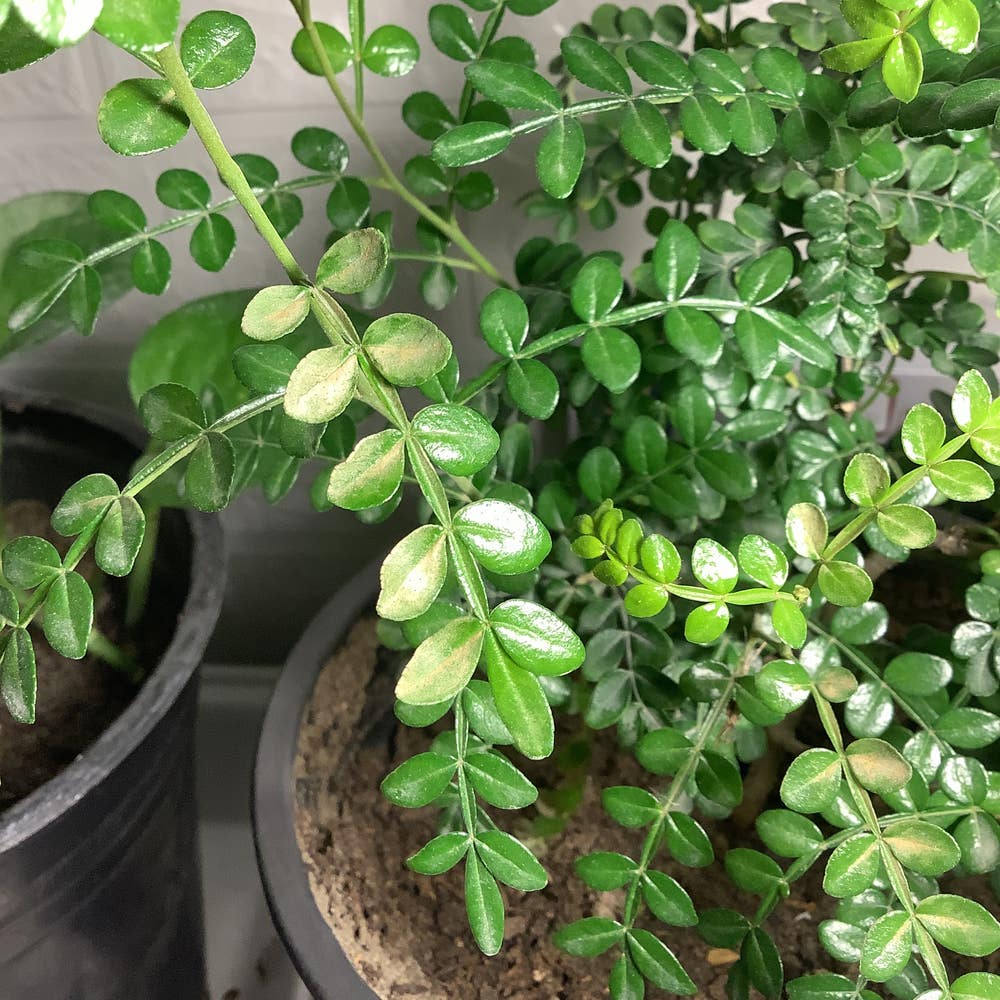
🌵 Propagating Green Prickly Ash: Step-by-Step Guide
Zanthoxylum piperitum
By the Greg Editorial Team
Oct 17, 2024•5 min read
This article was created with the help of AI so we can cover more plants for you. May contain errors. See one? Report it here.
- 🌱 Collect seeds in late summer for optimal germination success.
- ❄️ Cold stratification for 30-60 days mimics winter, boosting germination rates.
- 🌞 Provide indirect sunlight and maintain humidity for thriving cuttings.
Seed Propagation
Collecting Seeds 🌱
Timing is crucial for collecting seeds from the green prickly ash. Aim for late summer to early fall when the seed pods turn brown, signaling they are ready for harvest.
You can collect seeds by hand-picking them or using a small container to catch any that fall. This method ensures you gather the seeds without damaging the plant.
Preparing Seeds for Germination 🧼
Once you've collected your seeds, it's time to prepare them for germination. Start by cleaning the seeds thoroughly, removing any debris or pulp that may hinder their growth.
Next, you'll need to stratify the seeds. This involves a cold stratification process lasting 30 to 60 days, mimicking winter conditions to enhance germination rates.
Ideal Germination Conditions 🌡️
Creating the right environment is key to successful germination. Aim for a temperature range of 70°F to 80°F (21°C to 27°C) to encourage growth.
Light is another important factor; provide indirect sunlight or partial shade. Additionally, use a well-draining seed starting mix to give your seeds the best chance to thrive.
Timing for Planting Seeds ⏰
Timing your planting is essential for optimal growth. The best time to plant seeds is early spring, right after the last frost.
When planting, make sure to bury the seeds about 1/4 inch deep in the soil. This depth helps protect them while allowing them to sprout effectively.
With these steps, you're well on your way to successfully propagating green prickly ash from seeds. Next, let's explore cutting propagation, another effective method for expanding your plant collection.
Cutting Propagation
🌱 Selecting Healthy Cuttings
To start your cutting propagation journey, choose semi-hardwood cuttings that are 4-6 inches long. The best time for this is late spring to early summer, ensuring optimal success.
✂️ Preparing Cuttings for Rooting
Next, prepare your cuttings by removing the lower leaves, leaving just 2-3 at the top. Make a clean cut just below a node to encourage rooting.
💊 Using Rooting Hormone
For an extra boost, dip the cut end of your cutting in rooting hormone powder. This simple step significantly increases the likelihood of successful rooting.
🌤️ Optimal Conditions for Rooting
Creating the right environment is crucial. Maintain high humidity by covering your cuttings with a plastic bag or humidity dome.
💡 Light Conditions
Provide bright, indirect light to your cuttings, avoiding direct sunlight to prevent wilting. This balance helps your cuttings thrive as they establish roots.
With these steps, you're well on your way to successful cutting propagation. Next, let’s explore the layering technique, another effective method for propagating Green Prickly Ash.
Layering Propagation
🌱 Techniques for Layering
Layering is a fascinating propagation method that allows you to grow new plants from existing branches. To start, bend a healthy branch down to the ground and cover a portion of it with soil, leaving the tip exposed.
Secure the branch in place using a small rock or stake. This ensures it stays in contact with the soil, promoting root development.
⏰ Timing for Layering
The best time to attempt layering is during late spring to early summer when the plant is actively growing. Expect to wait about 6 to 12 months for roots to develop fully, so patience is key!
🌧️ Care for Layered Branches
Once you've set up your layered branch, keep the soil consistently moist but not soggy. Overwatering can lead to root rot, so find that sweet spot.
Monitoring is also crucial. Gently tug on the branch occasionally to check for root development. If you feel resistance, you're on the right track!
Layering can be a rewarding experience, allowing you to expand your garden with minimal effort. Next, let’s explore some common challenges you might face in propagating plants.
Challenges in Propagating
🌱 Common Issues with Seed Germination
Low germination rates can be frustrating. Often, this stems from improper stratification or unsuitable soil conditions.
To improve your chances, ensure that seeds are thoroughly cleaned and undergo the correct stratification process. This mimics natural winter conditions, which is crucial for successful germination.
✂️ Problems with Cuttings Not Rooting
Cuttings can be tricky, especially when they fail to root. Common culprits include insufficient humidity, poor soil conditions, or not using rooting hormone.
To address these issues, adjust humidity levels by covering cuttings with plastic bags or humidity domes. Additionally, ensure that the soil drains well to promote healthy root development.
🌡️ Environmental Factors Affecting Propagation Success
Temperature fluctuations can hinder growth. Maintaining stable temperatures is essential for optimal propagation success.
Light conditions also play a significant role. Ensure your plants receive adequate light without being exposed to harsh, direct sunlight, which can lead to wilting.
By addressing these challenges, you'll enhance your chances of successful propagation. Next, let's explore the essential tools and materials needed for your propagation journey.
Tools and Materials Needed
Essential tools for propagation 🌱
To successfully propagate Green Prickly Ash, you'll need a few essential tools. Pruning shears are crucial for cutting healthy stems, ensuring clean cuts that promote better growth.
Seed trays or pots are necessary for starting both seeds and cuttings. They provide the right environment for your plants to thrive. Additionally, plastic bags or humidity domes help maintain moisture levels, creating a mini greenhouse effect that encourages rooting.
Recommended soil types 🌍
Choosing the right soil is vital for successful propagation. A seed starting mix is ideal for seeds, as it is light and well-draining, allowing for optimal germination.
For cuttings, a potting mix is recommended. This type of soil ensures good aeration and drainage, which are essential for healthy root development.
Use of containers for seedlings and cuttings 🪴
When it comes to containers, size matters. Use small pots (3-4 inches) for cuttings to give them enough space to root without overwhelming them.
For seedlings, opt for larger pots to accommodate their growth. Always ensure that your containers have drainage holes to prevent root rot, which can be a common issue if water accumulates at the bottom.
With the right tools and materials, you're well on your way to successfully propagating Green Prickly Ash. Next, let’s explore the challenges you might face during propagation and how to overcome them.
⚠️ Safety First
This content is for general information and may contain errors, omissions, or outdated details. It is not medical, veterinary advice, or an endorsement of therapeutic claims.
Always consult a qualified healthcare professional before using any plant as food, medicine, or supplement.
Never eat any plant (or feed one to pets) without confirming its identity with at least two trusted sources.
If you suspect poisoning, call Poison Control (800) 222-1222, the Pet Poison Helpline (800) 213-6680, or your local emergency service immediately.
Spotted an error? Please report it here.
Propagating green prickly ash is thrilling 🌿 when you use Greg's tailored reminders and expert tips to ensure your seeds and cuttings flourish!