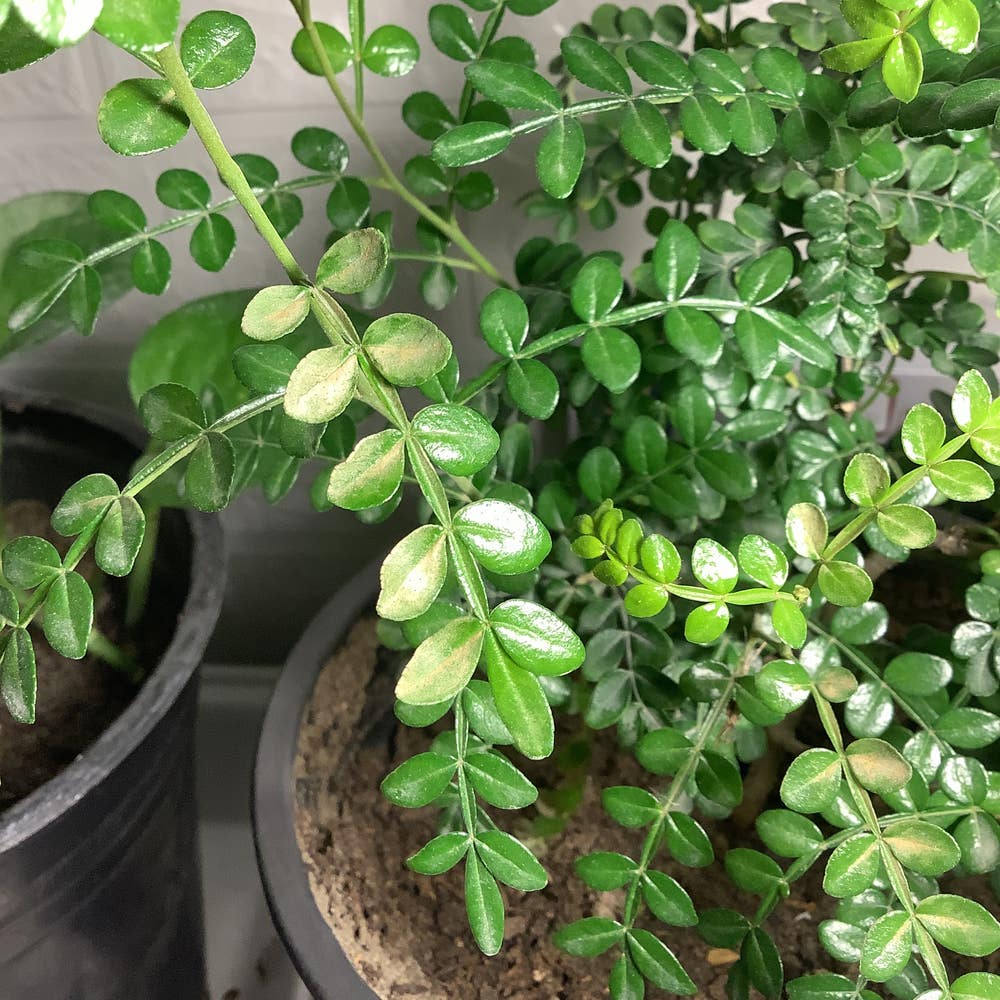
🌵 Top 4 Companions for a Healthy Green Prickly Ash Garden
Zanthoxylum piperitum
By the Greg Editorial Team
Oct 17, 2024•4 min read
This article was created with the help of AI so we can cover more plants for you. May contain errors. See one? Report it here.
- 🌼 Elderberry, Bee Balm, Yarrow, and Comfrey enhance your Green Prickly Ash garden's health.
- 🐞 Companion plants attract beneficial insects and deter harmful pests effectively.
- 🎨 Vibrant companion plants create stunning visual contrasts, enriching your garden's appeal.
Top Companion Plants for Green Prickly Ash
Plant 1: Elderberry 🌼
Elderberry is a native shrub that can reach heights of up to 12 feet, showcasing beautiful clusters of white flowers. This plant thrives in moist, well-drained soil and prefers full sun to partial shade.
Elderberry is a fantastic addition to your garden as it attracts pollinators and beneficial insects. Additionally, it provides a habitat for birds, enhancing the overall biodiversity of your garden.
Plant 2: Bee Balm 🐝
Bee Balm is a perennial herb celebrated for its vibrant red flowers and aromatic leaves. It flourishes in well-drained soil and full sun, although it can tolerate partial shade.
This plant is a magnet for bees and butterflies, promoting essential pollination. Plus, its natural pest-repellent properties help deter harmful insects, making it a dual-purpose companion.
Plant 3: Yarrow 🌿
Yarrow is a hardy perennial characterized by its feathery leaves and flat-topped clusters of flowers. It prefers well-drained soil and full sun, becoming drought-tolerant once established.
This plant enhances soil health by attracting beneficial insects. It also acts as a natural pest deterrent, effectively reducing aphid populations in your garden.
Plant 4: Comfrey 🌱
Comfrey is a perennial herb known for its large leaves and bell-shaped flowers. It adapts well to various soil types and prefers partial shade to full sun.
Comfrey improves soil health through its deep root systems, which bring nutrients to the surface. It also attracts pollinators and beneficial insects, further enhancing garden diversity.
These companion plants not only support the health of your Green Prickly Ash but also create a vibrant and thriving ecosystem. Next, let’s explore how these companions can help with pest management in your garden.
Pest Management
🛡️ How Companion Plants Help with Pest Control
Companion plants are nature's little warriors against pests. They can deter harmful insects through natural repellents and attract beneficial insects that feast on these pests.
Green Prickly Ash plays a crucial role in this ecosystem. Its presence can draw in beneficial insects, enhancing the overall pest management capabilities of your garden.
🐞 Specific Pests That Green Prickly Ash May Attract
While Green Prickly Ash is a resilient plant, it can attract some unwelcome guests. Common pests include aphids, spider mites, and whiteflies, which can wreak havoc if left unchecked.
Fortunately, companion plants like Yarrow and Bee Balm can come to the rescue. They attract natural predators that help keep these pests at bay, creating a balanced and thriving garden environment.
By strategically incorporating these companions, you can foster a healthy ecosystem that minimizes pest issues while maximizing the beauty and productivity of your Green Prickly Ash garden.
Next, let’s explore how these companion plants enhance the visual appeal of your garden.
Visual Appeal in a Green Prickly Ash Garden
🌼 How Companion Plants Enhance the Aesthetic of a Green Prickly Ash Garden
Companion plants play a crucial role in creating a visually stunning landscape. Their vibrant colors and varied textures beautifully complement the unique structure of Green Prickly Ash, making it a focal point in your garden.
The contrast between the spiny branches of Green Prickly Ash and the lush foliage of its companions adds depth and interest. This interplay not only enhances the garden's beauty but also invites a variety of wildlife.
🎨 Color and Texture Combinations with Green Prickly Ash
When selecting companion plants, consider combinations that highlight the strengths of Green Prickly Ash.
- Bright Red Bee Balm: This striking flower pops against the green backdrop, attracting pollinators and adding a splash of color.
- Soft Yellow Yarrow Flowers: Their gentle hue contrasts nicely with the spiny branches, creating a soothing visual balance.
These combinations not only elevate the garden's aesthetic but also promote a healthy ecosystem. By choosing the right companions, you can create a vibrant and inviting space that thrives in harmony.
As you plan your garden, think about how these visual elements can work together. The next section will explore how companion plants can also help manage pests, ensuring your Green Prickly Ash garden remains healthy and beautiful.
Plants to Avoid with Green Prickly Ash
🚫 List of plants that should not be planted near Green Prickly Ash
When planning your Green Prickly Ash garden, it's crucial to know which plants to steer clear of. Avoid the nightshade family, including tomatoes and potatoes, as well as aggressive plants like barberry.
⚠️ Reasons for incompatibility
These plants compete for nutrients and resources, which can stunt the growth of your Green Prickly Ash. Additionally, they may attract pests that could harm both the Prickly Ash and its companions, disrupting the harmony of your garden.
By being mindful of these incompatible plants, you can create a thriving ecosystem that supports your Green Prickly Ash and its beneficial companions. Next, let’s explore how companion plants enhance the visual appeal of your garden.
⚠️ Safety First
This content is for general information and may contain errors, omissions, or outdated details. It is not medical, veterinary advice, or an endorsement of therapeutic claims.
Always consult a qualified healthcare professional before using any plant as food, medicine, or supplement.
Never eat any plant (or feed one to pets) without confirming its identity with at least two trusted sources.
If you suspect poisoning, call Poison Control (800) 222-1222, the Pet Poison Helpline (800) 213-6680, or your local emergency service immediately.
Spotted an error? Please report it here.
Transform your Green Prickly Ash garden into a blooming paradise 🌼 with the right companions like Elderberry and Bee Balm, and let Greg guide you with tailored tips for a thriving ecosystem!