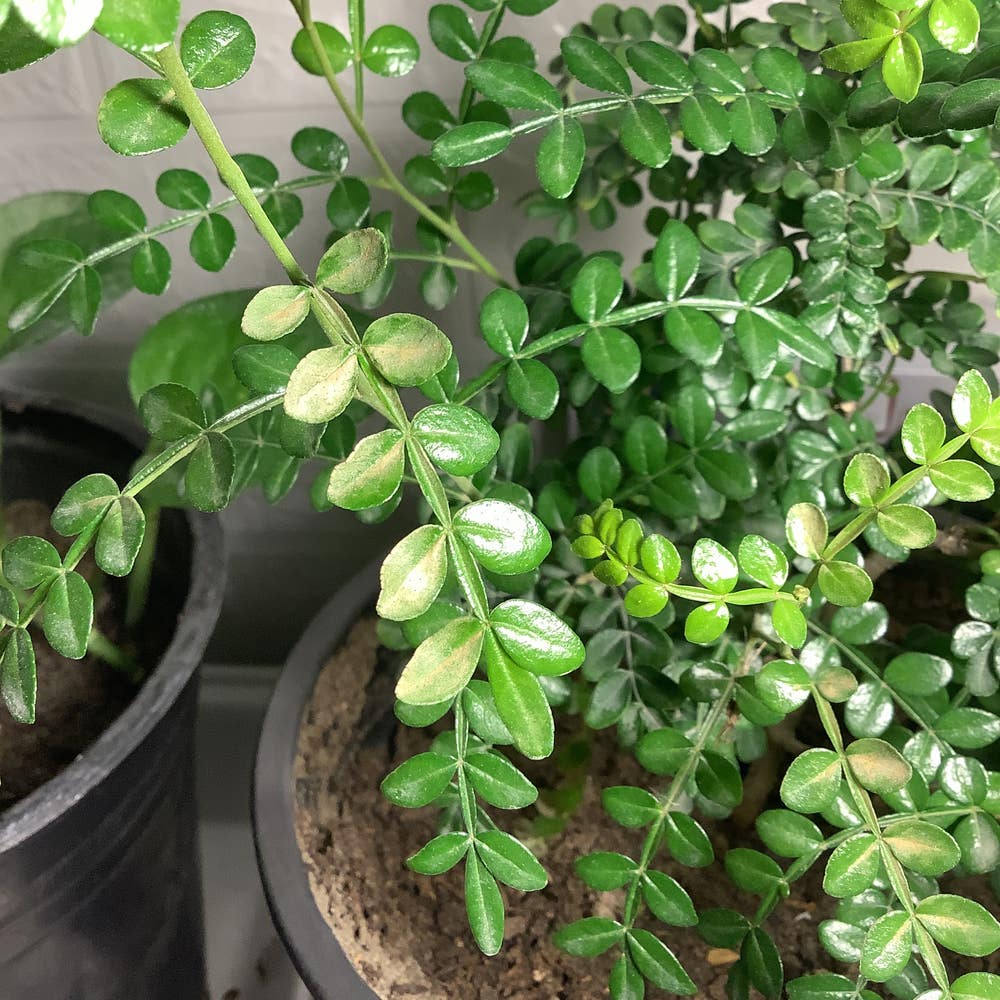
🌵 Green Prickly Ash is Not an Invasive Plant
Zanthoxylum piperitum
By the Greg Editorial Team
Oct 17, 2024•6 min read
This article was created with the help of AI so we can cover more plants for you. May contain errors. See one? Report it here.
- 🌱 Green Prickly Ash is native, supporting local ecosystems and biodiversity.
- 🌿 Non-invasive growth allows it to coexist peacefully with other plants.
- 🦋 Attracts pollinators and provides wildlife habitat, enhancing garden health.
Plant Classification
Definition of Invasive Species 🌱
Invasive species are non-native plants that spread aggressively, outcompeting local flora and disrupting ecosystems. They often possess characteristics like rapid growth, high reproductive rates, and adaptability to various environments, making them formidable threats to biodiversity.
Why Green Prickly Ash is Non-Invasive 🌿
Green Prickly Ash is native to North America, which enhances its compatibility with local ecosystems. Its growth is naturally limited by factors such as soil type, moisture levels, and competition with other native plants.
Unlike invasive species, Green Prickly Ash does not exhibit aggressive spreading behavior. This makes it a safe and beneficial choice for gardens, allowing it to coexist harmoniously with other flora.
Incorporating Green Prickly Ash into your garden not only supports local wildlife but also enriches the landscape without the risks associated with invasive plants. This native shrub is a testament to the beauty of biodiversity, thriving in its natural habitat while enhancing the ecosystem around it.
As we explore its growth habits next, you'll see how this plant's characteristics contribute to its ecological role.
Growth Habits
Typical Growth Patterns 🌳
Green Prickly Ash is a deciduous shrub or small tree, showcasing a bushy appearance that adds character to any landscape. It typically reaches heights of 10-15 feet and spreads 6-10 feet wide, making it a versatile choice for various garden settings.
Its growth rate is moderate, with seasonal leaf drop in the fall, allowing for a dynamic seasonal display. This adaptability makes it a charming addition to gardens throughout the year.
Natural Limits to Growth 🌱
This plant thrives in well-drained soils and can tolerate a range of pH levels, which contributes to its resilience. However, its growth is often limited by competition from other plants and environmental conditions, ensuring it doesn’t overtake its surroundings.
The spread potential of Green Prickly Ash is primarily through natural seed dispersal and root suckering. This manageable growth pattern makes it an excellent choice for garden settings, where control over plant spread is essential.
As you consider incorporating Green Prickly Ash into your garden, remember its unique growth habits. They not only enhance your landscape but also support local ecosystems, paving the way for a thriving garden environment.
Ecological Role
Benefits to Ecosystems 🌍
Green Prickly Ash plays a vital role in local ecosystems by providing habitat and food for various wildlife. Birds and beneficial insects thrive in its presence, making it a key player in maintaining biodiversity.
Attracting Pollinators 🐝
Its small, yellow-green flowers are not just pretty; they attract pollinators, enhancing the overall health of the ecosystem. This interaction supports the growth of other plants, creating a thriving environment.
Positive Interactions 🌿
The aromatic leaves of Green Prickly Ash serve a dual purpose. They can deter herbivores, reducing damage from browsing animals, which helps maintain the plant's health.
Acting as a Nurse Plant 🌱
Additionally, Green Prickly Ash acts as a nurse plant. It provides shade and shelter, supporting the growth of other native species, which fosters a diverse plant community.
Incorporating Green Prickly Ash into your garden not only beautifies your space but also contributes positively to the local ecosystem. This makes it a fantastic choice for anyone looking to enhance their garden's ecological impact.
As we explore how to manage this plant in gardens, consider its ecological benefits as a foundation for sustainable gardening practices.
Garden Management
Incorporating into Garden Designs 🌿
Green Prickly Ash is a fantastic choice for various garden styles. It thrives in naturalistic and wildlife gardens, serving as an attractive hedge or border plant.
This shrub can also be integrated into mixed plantings, enhancing both biodiversity and visual appeal. Its unique characteristics make it a standout addition to any garden.
Controlling Growth for Aesthetics ✂️
To keep your Green Prickly Ash looking its best, regular pruning is essential. This practice helps maintain the desired shape and size, ensuring it fits well within your garden design.
Proper spacing is equally important. Planting these shrubs 6-10 feet apart prevents overcrowding, allowing each plant to flourish without competing for resources.
Incorporating Green Prickly Ash into your garden not only beautifies the space but also supports local ecosystems. With thoughtful management, you can enjoy its benefits while creating a vibrant, sustainable environment.
As we explore the ecological role of this plant, you'll discover how it contributes to the health of your garden and the surrounding wildlife.
Comparison to Other Plants
🌱 Similar Non-Invasive Plants
When considering non-invasive alternatives to Green Prickly Ash, two notable native shrubs come to mind: Spicebush and Elderberry.
Spicebush: This shrub typically grows 6-12 feet tall and offers fragrant yellow flowers in spring. Its leaves are aromatic, adding a sensory element to gardens.
Elderberry: Known for its clusters of white flowers and dark berries, Elderberry can reach heights of 6-12 feet. It attracts pollinators and provides food for birds, enhancing local biodiversity.
While all three plants share non-invasive traits, they differ in growth habits and ecological roles. Spicebush thrives in moist, shaded areas, while Elderberry prefers sunny spots. Green Prickly Ash, on the other hand, adapts well to various conditions, making it versatile in garden settings.
🌟 Unique Qualities of Green Prickly Ash
Green Prickly Ash stands out with its distinctive spiny branches and aromatic foliage. These features not only add visual interest but also serve practical purposes, deterring herbivores from munching on its leaves.
Historically, this plant has held cultural significance among Indigenous peoples, who utilized it for medicinal purposes. Its rich history and unique characteristics make Green Prickly Ash a valuable addition to any garden, blending beauty with ecological benefits.
As we explore the legal and environmental considerations of planting Green Prickly Ash, it’s essential to recognize its role in promoting local biodiversity and supporting sustainable gardening practices.
Legal and Environmental Considerations
🌱 Classifications and Guidelines
Green Prickly Ash is celebrated as a beneficial native plant across many regions. Its presence promotes local biodiversity, making it a valuable addition to gardens and landscapes.
Before planting, it's wise to check local guidelines regarding native species. This ensures that your gardening efforts align with conservation initiatives and support local ecosystems.
🌍 Role in Sustainable Gardening
Incorporating Green Prickly Ash into your garden supports local wildlife and enhances ecosystem health. This plant plays a crucial role in sustainable garden management.
Using native plants like Green Prickly Ash can significantly reduce reliance on chemical fertilizers and pesticides. By choosing native species, you contribute to a healthier environment while enjoying a vibrant garden.
As you consider your gardening choices, remember that every native plant you include helps foster a thriving ecosystem. This small step can lead to significant positive impacts on your local environment.
With these considerations in mind, let's explore how to effectively incorporate Green Prickly Ash into your garden designs.
⚠️ Safety First
This content is for general information and may contain errors, omissions, or outdated details. It is not medical, veterinary advice, or an endorsement of therapeutic claims.
Always consult a qualified healthcare professional before using any plant as food, medicine, or supplement.
Never eat any plant (or feed one to pets) without confirming its identity with at least two trusted sources.
If you suspect poisoning, call Poison Control (800) 222-1222, the Pet Poison Helpline (800) 213-6680, or your local emergency service immediately.
Spotted an error? Please report it here.
Cultivate a thriving garden with Green Prickly Ash 🌱, and let Greg provide tailored care reminders to help you support local ecosystems and wildlife effortlessly!