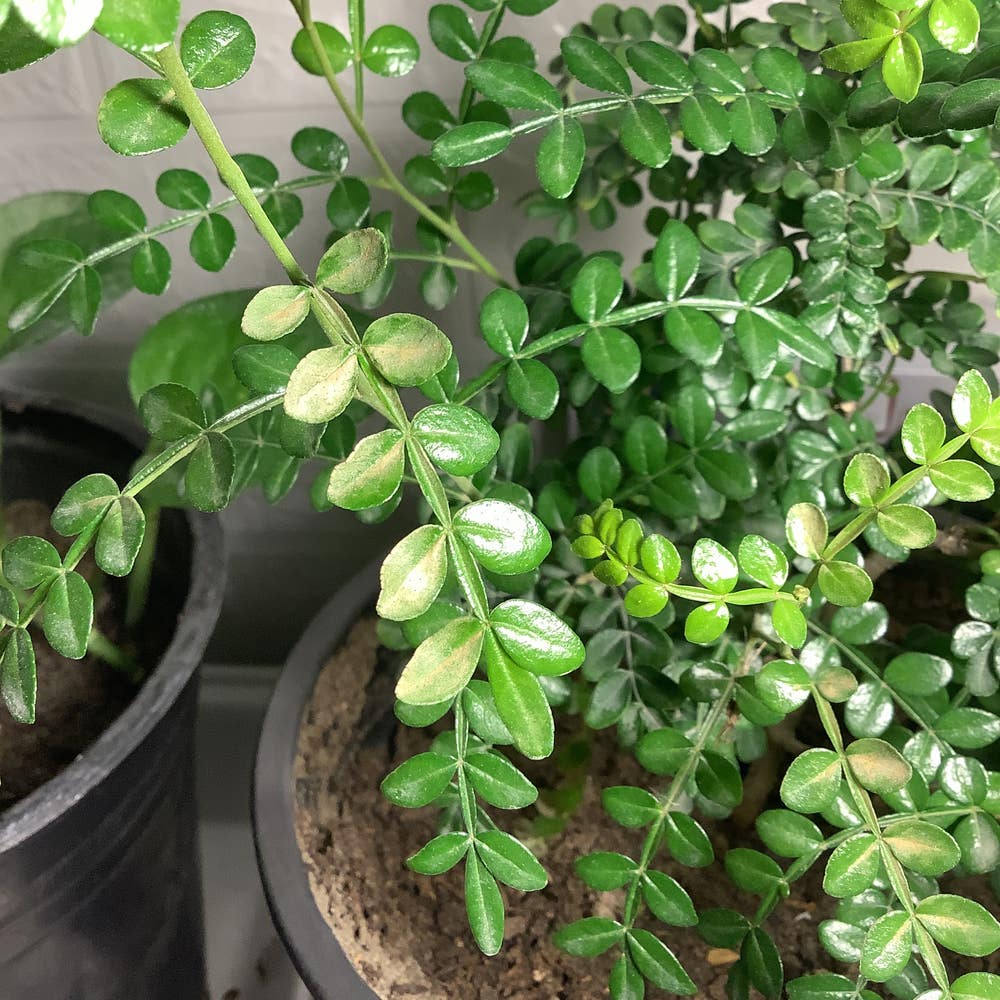
🌵 Ultimate Guide to Fertilizing Your Green Prickly Ash
Zanthoxylum piperitum
By the Greg Editorial Team
Oct 17, 2024•5 min read
This article was created with the help of AI so we can cover more plants for you. May contain errors. See one? Report it here.
- 🌱 Choose between organic and synthetic fertilizers for optimal soil health and nutrient ratios.
- ⏳ Slow-release fertilizers support long-term growth, while fast-release meet immediate nutrient needs.
- 🛠️ Essential tools like trowels and measuring cups ensure effective fertilization methods.
Types of Fertilizers Suitable for Prickly Ash
🌱 Organic vs. Synthetic Fertilizers
When it comes to fertilizing your prickly ash, you have two main options: organic and synthetic fertilizers.
Organic fertilizers include compost, well-rotted manure, and specially formulated organic blends. They offer a slow release of nutrients, improve soil health, and are safer for the environment.
On the other hand, synthetic fertilizers provide precise nutrient ratios, allowing for targeted feeding. They can deliver quick results but may not enhance soil structure over time.
⏳ Slow-release vs. Fast-release Fertilizers
Understanding the difference between slow-release and fast-release fertilizers is crucial for effective feeding.
Slow-release fertilizers gradually supply nutrients, making them ideal for long-term growth. They help maintain consistent nutrient levels, reducing the risk of over-fertilization.
Conversely, fast-release fertilizers offer immediate nutrient availability. They are perfect for addressing urgent needs, such as during the active growing season or when plants show signs of nutrient deficiency.
Choosing the right type of fertilizer can significantly impact the health and growth of your prickly ash. With the right knowledge, you can ensure your plants thrive beautifully.
Next, let’s explore how to apply fertilizer effectively for optimal results.
How to Apply Fertilizer
Best Methods for Application 🌱
Applying fertilizer correctly is crucial for the health of your green prickly ash. Here are the most effective methods:
Broadcasting
This method involves evenly spreading fertilizer across the soil surface. It’s straightforward and ensures that nutrients are available to the roots.
Incorporating
Mixing fertilizer into the top layer of soil enhances absorption. This method helps the nutrients penetrate deeper, making them more accessible to the plant.
Liquid Application
Diluting fertilizer in water allows for quick uptake by the roots. This method is particularly useful for addressing immediate nutrient needs.
Tools Needed for Fertilization 🛠️
Having the right tools makes fertilization easier and more effective. Here’s what you’ll need:
Hand Trowel or Garden Fork
These tools are essential for incorporating fertilizer into the soil. They help mix the nutrients thoroughly for better absorption.
Measuring Cup
Accurate dosage is key to effective fertilization. A measuring cup ensures you apply the right amount of fertilizer for your plants.
Watering Can or Sprayer
For liquid fertilizers, a watering can or sprayer is necessary. This allows for even distribution and quick nutrient delivery.
With these methods and tools, you’re well-equipped to nourish your prickly ash. Next, let’s explore the best timing for fertilization to maximize growth and health.
Timing of Fertilization
🌱 Seasonal Fertilization Schedule
Timing is everything when it comes to fertilizing your green prickly ash. Start with an initial feeding in early spring as growth resumes, giving your plant the nutrients it craves after winter dormancy.
In mid-summer, a second application supports blooming, ensuring your prickly ash remains vibrant and healthy. Late fall offers an optional feeding to prepare the plant for winter, helping it store nutrients for the colder months ahead.
📈 Signs of Growth Stages for Fertilization
Pay attention to your plant's growth stages; they provide crucial cues for fertilization. When you see new leaves emerging, it’s a clear sign that your prickly ash needs nitrogen to support its growth.
As flower buds begin to form, it’s time to boost phosphorus levels. This nutrient is essential for flowering, ensuring your plant produces beautiful blooms.
By aligning your fertilization schedule with these growth indicators, you’ll set your prickly ash up for success. Next, let’s explore the recommended dosage guidelines to ensure your plant gets just the right amount of nutrients.
Dosage Guidelines
Recommended Amounts for Different Growth Stages 🌱
When it comes to fertilizing your green prickly ash, the right dosage is crucial. For young plants, a quarter cup of balanced fertilizer per plant is ideal to kickstart their growth.
As your plants mature, the dosage increases. Established plants typically require between half a cup to a full cup, depending on their size and overall health.
Adjusting Dosage Based on Soil Conditions 🧪
Soil conditions can vary significantly, making soil testing an essential step. Testing helps you determine nutrient levels and pH, ensuring your plants get exactly what they need.
Based on the results, you may need to adjust your fertilizer dosage. If your soil is nutrient-rich, you can decrease the amount; conversely, if it's lacking, consider increasing your application for optimal growth.
Understanding these dosage guidelines will help you nurture your prickly ash effectively. Next, let’s explore how to avoid the pitfalls of over-fertilization.
Avoiding Over-Fertilization
🌿 Symptoms of Over-Fertilization
Over-fertilization can wreak havoc on your green prickly ash. One of the first signs is leaf burn, where the tips and edges of leaves turn brown, signaling nutrient overload.
Another indicator is excessive leaf growth. You might notice lush foliage but a lack of blooms, which means your plant is focusing too much on leaves instead of flowers.
Lastly, watch for root damage. If your plant is stunted or wilting, it may be struggling to cope with too many nutrients in the soil.
⚡️ Recovery Strategies for Over-Fertilized Plants
If you suspect over-fertilization, act quickly. Start with flushing the soil by watering thoroughly to leach out excess nutrients. This helps restore balance.
Next, consider reducing fertilizer applications. Give your plant a break to recover and regain its strength.
Finally, keep an eye on your plant's health. Monitoring its progress will help you adjust care as needed, ensuring it bounces back stronger than ever.
By being vigilant and responsive, you can help your prickly ash thrive without the pitfalls of over-fertilization. Now, let’s explore the best practices for applying fertilizer effectively.
⚠️ Safety First
This content is for general information and may contain errors, omissions, or outdated details. It is not medical, veterinary advice, or an endorsement of therapeutic claims.
Always consult a qualified healthcare professional before using any plant as food, medicine, or supplement.
Never eat any plant (or feed one to pets) without confirming its identity with at least two trusted sources.
If you suspect poisoning, call Poison Control (800) 222-1222, the Pet Poison Helpline (800) 213-6680, or your local emergency service immediately.
Spotted an error? Please report it here.
Transform your prickly ash into a thriving beauty 🌿 with Greg's tailored fertilization reminders and nutrient tracking, ensuring it gets just the right care without the risk of over-fertilization!