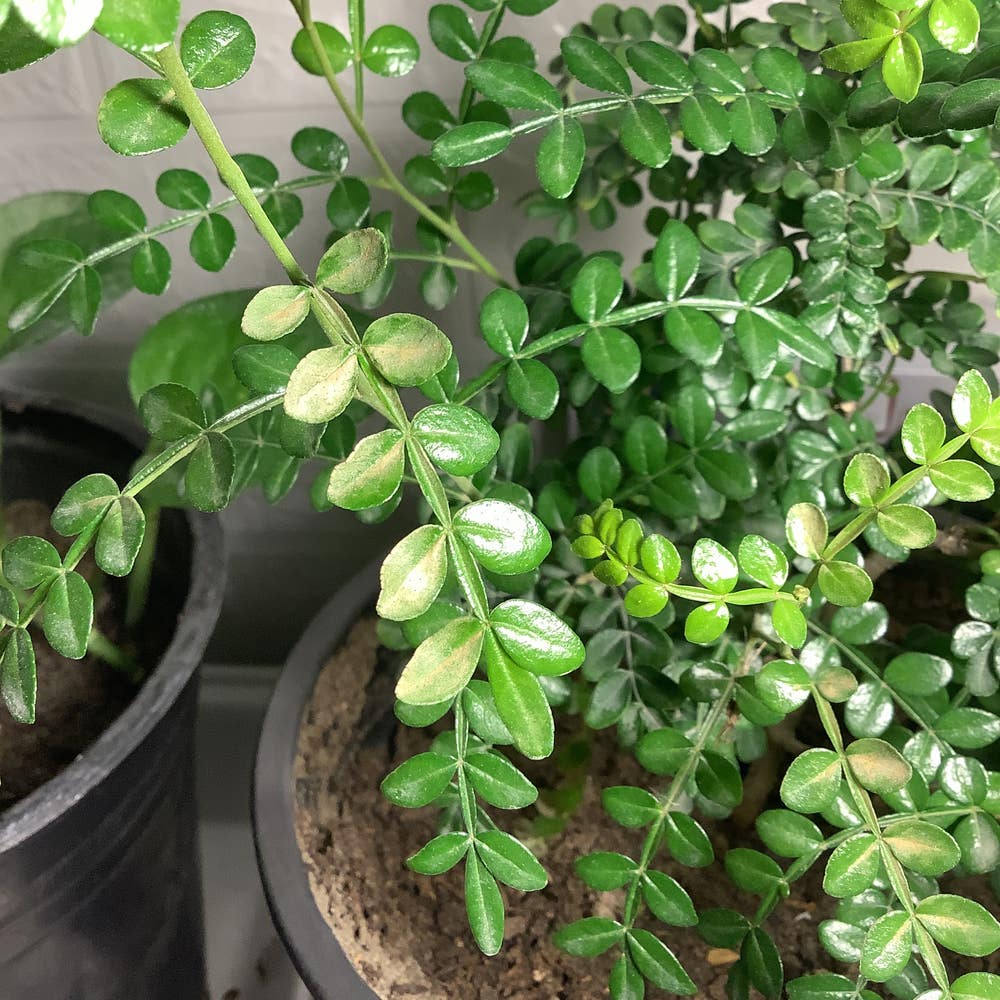
🌳 Why Your Green Prickly Ash Leaves Are Dropping
Zanthoxylum piperitum
By the Greg Editorial Team
Oct 17, 2024•7 min read
This article was created with the help of AI so we can cover more plants for you. May contain errors. See one? Report it here.
- 🌡️ Ideal temperatures for green prickly ash are 60°F to 75°F; avoid extremes.
- 💧 Humidity levels between 40%-60% prevent crispy edges and leaf drop.
- 🐛 Early pest detection is key to managing issues and preserving leaf health.
Causes of Leaf Drop
🌪️ Environmental Stress Factors
Temperature Fluctuations
The ideal temperature range for green prickly ash is between 60°F to 75°F (15°C to 24°C). When temperatures stray too far from this range, you may notice symptoms like yellowing leaves and premature leaf drop.
To mitigate temperature stress, gradually acclimatize your plant to any changes. This slow adjustment helps your prickly ash adapt without suffering.
Humidity Levels
Green prickly ash thrives in moderate to high humidity, ideally between 40% and 60%. If the humidity dips too low, you might see crispy leaf edges and increased leaf drop.
To combat low humidity, consider using humidifiers or pebble trays filled with water. These solutions can help maintain a more suitable environment for your plant.
🐛 Pest Infestations
Common Pests
Aphids, spider mites, and scale insects are common culprits that can affect your prickly ash. Look for sticky residue, webbing, or visible pests on the leaves to identify an infestation.
Early detection is key to effective management. The sooner you spot these pests, the easier it is to control them.
Signs of Pest Damage
Pest damage often manifests as leaf curling, discoloration, and premature leaf drop. Recognizing these signs early can make a significant difference in your plant's recovery.
Addressing pest issues promptly can prevent further damage and help maintain your plant's health.
🥦 Nutrient Deficiencies
Essential Nutrients
Key nutrients for green prickly ash include nitrogen, phosphorus, potassium, and various micronutrients. Each plays a vital role in maintaining leaf health and promoting growth.
Understanding the role of these nutrients can help you provide better care for your plant.
Symptoms of Nutrient Deficiency
Yellowing leaves often indicate nitrogen deficiency, while poor growth and leaf drop may signal potassium deficiency. Regular soil testing and appropriate fertilization can help address these issues.
By staying proactive, you can ensure your plant receives the nutrients it needs to thrive.
🌱 Soil and Water Issues
Importance of Well-Draining Soil
Green prickly ash prefers loamy or sandy soils that offer good drainage. Poor drainage can lead to root rot, which is detrimental to your plant's health.
Choosing the right soil type is crucial for preventing leaf drop and ensuring robust growth.
Overwatering vs. Underwatering
Overwatering can cause wilting, yellowing leaves, and root rot, while underwatering leads to dry, crispy leaves and leaf drop. Regularly monitoring soil moisture is essential for striking the right balance.
Adjust your watering practices based on your plant's needs to promote optimal health.
Understanding these causes of leaf drop will empower you to take action and keep your green prickly ash thriving. Next, we’ll explore how to diagnose leaf drop effectively.
Diagnosing Leaf Drop
🌱 Identifying Symptoms
Early Signs
When your green prickly ash starts dropping leaves, pay attention to the older leaves first. Discoloration and wilting often signal that something's amiss.
Differentiating Between Natural and Problematic Leaf Drop
It's crucial to distinguish between seasonal leaf drop and stress-induced leaf drop. Context matters; understanding the timing can help you diagnose the issue effectively.
🩺 Assessing Plant Health
Checking for Root Rot
Root rot can be a silent killer. Look for dark, mushy roots and a foul odor—these are telltale signs that your plant needs immediate attention.
Evaluating Overall Plant Vigor
Healthy plants exhibit robust growth and vibrant leaves. In contrast, stunted growth, leaf drop, and discoloration indicate stress, signaling that your plant needs some TLC.
By carefully observing these symptoms and assessing your plant's health, you can take proactive steps to address any issues. Next, let’s explore preventive measures to keep your green prickly ash thriving.
Preventive Measures
Proper Watering Techniques 🌊
Best Practices
Watering your green prickly ash correctly is crucial. Aim to let the top inch of soil dry out between waterings to prevent over-saturation.
Deep watering is essential as it encourages robust root growth. This method ensures that roots reach deeper into the soil, promoting a healthier plant.
Seasonal Adjustments
Adjust your watering routine with the seasons. Increase watering during the hot summer months and reduce it in winter when the plant's growth slows down.
Always consider the weather conditions; a rainy spell may mean you need to hold off on watering for a bit.
Soil Management 🌱
Recommended Soil Types
The right soil can make all the difference. Aim for slightly acidic to neutral pH levels, ideally between 6.0 and 7.0.
Incorporating organic matter into your soil can significantly improve its structure and drainage, benefiting your plant's health.
Importance of pH Balance
Regular soil testing is vital for maintaining optimal pH levels. This practice ensures that your plant can access essential nutrients effectively.
A balanced pH directly affects nutrient availability, so keeping an eye on this can prevent deficiencies.
Pest Management Strategies 🐛
Control Options
Managing pests is essential for a thriving green prickly ash. Consider using neem oil, insecticidal soap, or introducing beneficial insects to your garden.
Choosing the right method depends on the level of infestation. Early intervention can save your plant from severe damage.
Regular Monitoring
Establish a routine for inspecting your plants. Regular checks can help you catch any issues before they escalate.
Early intervention is key to preventing severe infestations, so stay vigilant and proactive in your care routine.
By implementing these preventive measures, you can create a nurturing environment for your green prickly ash. This will not only enhance its growth but also minimize the risk of leaf drop and other stress-related issues. Next, let’s explore treatment options for when your plant needs a little extra help.
Treatment Options
🚀 Immediate Actions
Steps to Take
- Assess environmental conditions like temperature and humidity.
- Check for pests and signs of damage on the leaves.
- Adjust watering practices based on your findings.
Taking these steps can help you quickly identify the root cause of your green prickly ash's leaf drop.
🌱 Reviving a Stressed Plant
- Start by pruning any damaged leaves and stems to encourage new growth.
- Ensure the plant receives optimal care conditions, including adequate light, water, and nutrients.
These actions can significantly improve your plant's health and vitality.
📅 Long-term Care Strategies
Fertilization Schedules
- Fertilize every 4-6 weeks during the growing season for best results.
- Use balanced NPK formulas to provide essential nutrients.
Regular fertilization supports robust growth and helps prevent future issues.
✂️ Pruning and Shaping
- Aim to prune in late winter or early spring, just before new growth begins.
- Remove dead or damaged branches to enhance airflow and promote overall health.
Proper pruning techniques can rejuvenate your plant and keep it thriving.
By implementing these treatment options, you can effectively manage leaf drop and ensure your green prickly ash remains healthy and vibrant. Next, let’s explore seasonal considerations to further support your plant's well-being.
Seasonal Considerations
🍂 Fall and Winter Care
Preparing for Dormancy
As temperatures drop, it's essential to reduce watering. This helps your green prickly ash transition into dormancy without the risk of root rot.
Mulching is another effective strategy. A layer of mulch protects the roots from freezing temperatures, ensuring they remain insulated during harsh winter months.
Protecting from Cold Stress
Covering your plants during extreme cold snaps can make a significant difference. Use frost cloths or blankets to shield them from frigid winds and temperatures.
Consider the location of your plants as well. Planting in sheltered areas can provide natural protection from cold stress, enhancing their chances of survival through winter.
🌼 Spring and Summer Care
Encouraging New Growth
As spring arrives, it's time to adjust your fertilization and watering practices. This promotes vigorous growth and helps your prickly ash thrive.
Keep an eye out for signs of pests and diseases during this active growth period. Early detection is key to maintaining plant health and preventing infestations.
Monitoring for Pests and Diseases
Regular inspections are crucial in spring and summer. Check your plants frequently to catch any issues before they escalate.
Maintaining plant health through proactive care not only keeps your prickly ash vibrant but also enhances its resilience against environmental stressors.
With these seasonal considerations in mind, you can ensure your green prickly ash remains healthy and robust throughout the year. Next, let’s explore effective treatment options for any issues that may arise.
⚠️ Safety First
This content is for general information and may contain errors, omissions, or outdated details. It is not medical, veterinary advice, or an endorsement of therapeutic claims.
Always consult a qualified healthcare professional before using any plant as food, medicine, or supplement.
Never eat any plant (or feed one to pets) without confirming its identity with at least two trusted sources.
If you suspect poisoning, call Poison Control (800) 222-1222, the Pet Poison Helpline (800) 213-6680, or your local emergency service immediately.
Spotted an error? Please report it here.
Keep your green prickly ash thriving 🌱 by using Greg's tailored reminders and pest management tips to prevent leaf drop and ensure vibrant growth!