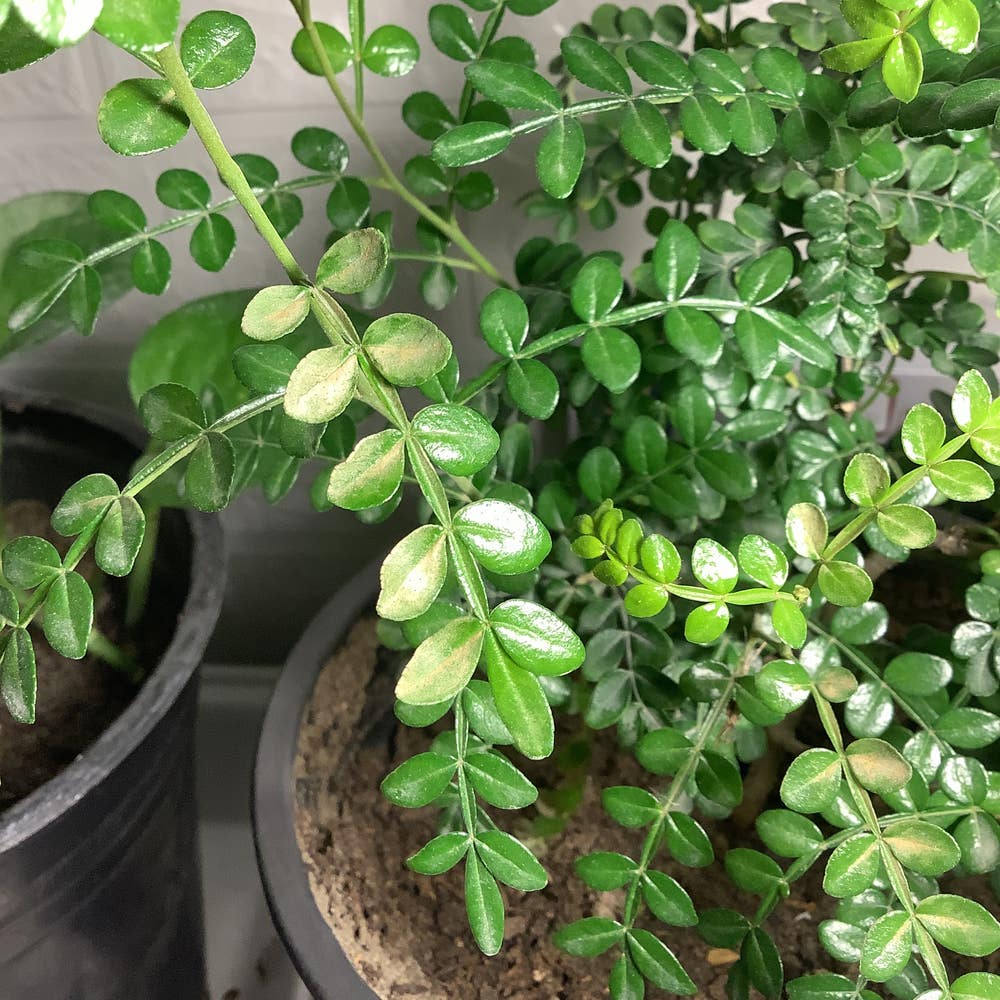
🌵 Direct Sunlight and Your Green Prickly Ash
Zanthoxylum piperitum
By the Greg Editorial Team
Oct 17, 2024•4 min read
This article was created with the help of AI so we can cover more plants for you. May contain errors. See one? Report it here.
- 🌞 Green Prickly Ash prefers partial shade, thriving best in balanced sunlight conditions.
- ⚠️ Too much direct sunlight causes stress, leading to leaf scorch and stunted growth.
- 🌍 Window direction matters; east and west-facing windows provide ideal light exposure.
Sunlight Tolerance of Green Prickly Ash
Does Green Prickly Ash Need Direct Sunlight? 🌞
Green Prickly Ash thrives best with a mix of sunlight. Ideally, it prefers conditions ranging from partial shade to full sun, depending on your local climate.
Can Green Prickly Ash Tolerate Direct Sunlight? 🕶️
This plant has a moderate tolerance for direct sunlight. While it can handle some exposure, extreme conditions may lead to stress.
Effects of Too Much Direct Sunlight on Green Prickly Ash 🌵
Overexposure to direct sunlight can lead to noticeable symptoms. You might see leaf scorch, wilting, or even sunburn, which can significantly impact its health.
In the long run, too much sun can stunt growth and reduce the plant's vitality. Keeping an eye on your Green Prickly Ash will help ensure it thrives in the right conditions.
Understanding its sunlight needs is crucial for maintaining a healthy plant. Next, let’s explore how window direction can affect sunlight exposure for your Green Prickly Ash.
Window Direction and Sunlight Exposure
🌞 How Window Direction Affects Sunlight Exposure
The direction your windows face plays a crucial role in how much sunlight your Green Prickly Ash receives. Different orientations capture varying amounts of sunlight throughout the day.
North-facing windows typically receive less direct sunlight, making them less ideal for this plant. In contrast, south-facing windows bask in the most direct sunlight, especially during winter months, providing a warm haven for your prickly friend.
🪴 Best Window Directions for Green Prickly Ash
For optimal growth, consider placing your Green Prickly Ash in east or west-facing windows. These orientations offer a balanced light exposure, allowing your plant to thrive without overwhelming it.
It's best to avoid north-facing windows for prolonged periods. Insufficient sunlight can hinder growth and vitality, leaving your plant less vibrant than it could be.
By understanding window direction, you can create the perfect environment for your Green Prickly Ash to flourish. This knowledge sets the stage for exploring how geographic considerations further influence sunlight exposure.
Geographic Considerations
How Hemisphere Affects Sunlight Intensity 🌍
The hemisphere you’re in significantly impacts how sunlight reaches your Green Prickly Ash. In the Northern Hemisphere, the sun hangs lower in the sky during winter, resulting in less intense light.
Conversely, the Southern Hemisphere experiences the opposite effect. Here, summer brings more intense sunlight, which can be crucial for your plant's growth.
Seasonal Variations in Sunlight Exposure ☀️
Seasons play a vital role in sunlight exposure. During summer, days are longer, and the sunlight is more intense, providing ample energy for your Green Prickly Ash.
In winter, the days shorten, and the sunlight becomes less intense. This shift may require you to adjust your plant care routine to ensure it receives adequate light.
Understanding these geographic and seasonal factors can help you create the best environment for your Green Prickly Ash, ensuring it thrives year-round.
Signs of Sunlight Stress
🌞 Identifying Sunburn or Stress in Green Prickly Ash
Green Prickly Ash can show signs of distress when exposed to too much direct sunlight. Look for symptoms like brown, crispy leaf edges and discoloration, which indicate sunburn.
Excessive direct sunlight can lead to these issues, making it crucial to monitor your plant's environment. If you notice these signs, it may be time to adjust its placement.
🌑 Symptoms of Insufficient Sunlight
On the flip side, insufficient sunlight can also harm your Green Prickly Ash. Signs include leggy growth, pale leaves, and slow development, all of which suggest your plant isn't getting enough light.
Adequate light is essential for healthy growth and vitality. Ensuring your plant receives the right amount of sunlight will keep it thriving and vibrant.
Understanding these signs helps you maintain a healthy Green Prickly Ash, setting the stage for its optimal growth. Next, let’s explore how to acclimatize your plant to direct sunlight effectively.
Additional Considerations
Importance of Acclimatization to Direct Sunlight 🌞
Acclimatization is crucial for your Green Prickly Ash. Gradual exposure to direct sunlight helps prevent shock and stress, ensuring your plant thrives.
Start by introducing your plant to just a few hours of direct sunlight. Increase this exposure over time to help it adjust comfortably.
Tips for Transitioning Green Prickly Ash to Direct Sunlight 🌱
- Begin in a shaded area for about a week to ease your plant into new conditions.
- Gradually increase direct sunlight exposure by 1-2 hours each day.
- Keep a close eye on your plant's response to ensure it's adapting well.
Common Misconceptions About Green Prickly Ash and Sunlight 🤔
A common myth is that Green Prickly Ash thrives solely in full sun. In reality, it prefers a balanced mix of sun and shade for optimal growth.
Understanding these nuances can significantly enhance your plant care strategy. With the right approach, your Green Prickly Ash can flourish beautifully in its environment.
As we move forward, let’s explore how window direction can impact sunlight exposure for your plant.
⚠️ Safety First
This content is for general information and may contain errors, omissions, or outdated details. It is not medical, veterinary advice, or an endorsement of therapeutic claims.
Always consult a qualified healthcare professional before using any plant as food, medicine, or supplement.
Never eat any plant (or feed one to pets) without confirming its identity with at least two trusted sources.
If you suspect poisoning, call Poison Control (800) 222-1222, the Pet Poison Helpline (800) 213-6680, or your local emergency service immediately.
Spotted an error? Please report it here.
Keep your Green Prickly Ash thriving in the right light 🌿 by using Greg's tailored care tips to monitor its sunlight needs and prevent stress from overexposure!