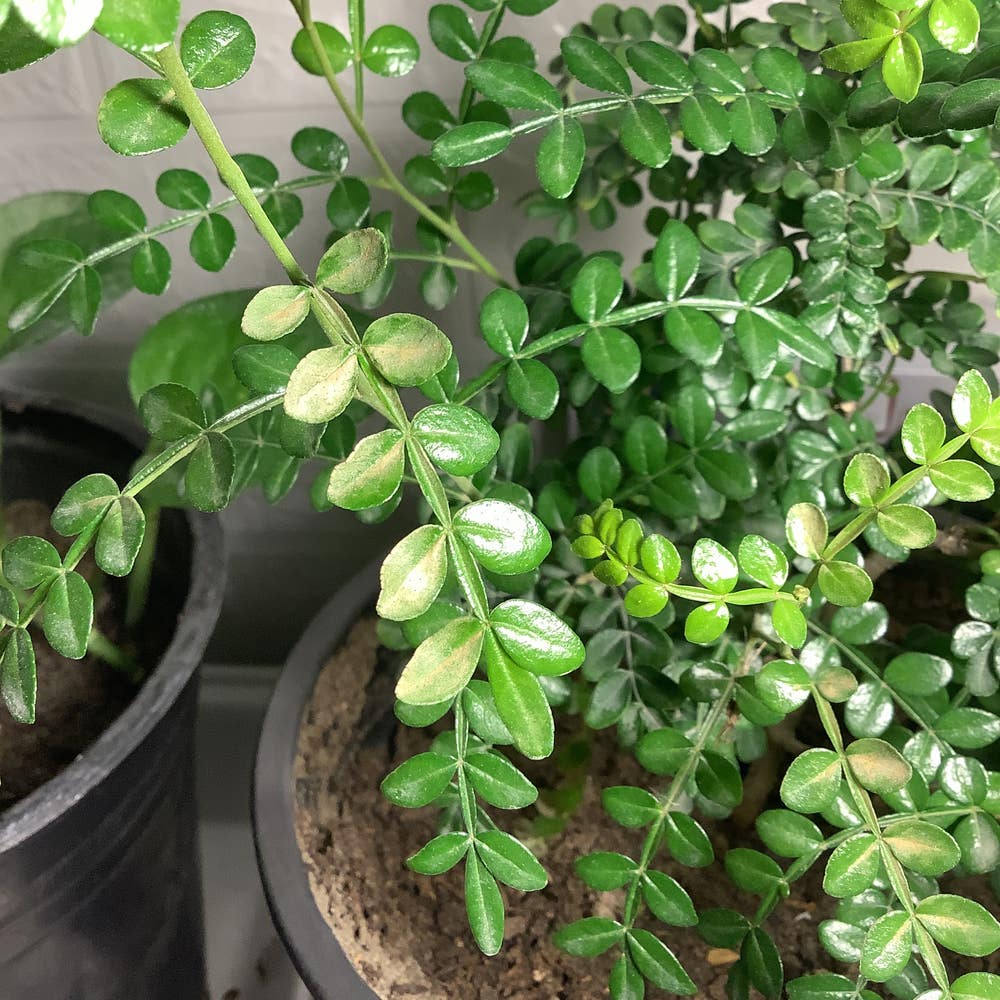
🌵 How Often to Water Your Green Prickly Ash
Zanthoxylum piperitum
By the Greg Editorial Team
Oct 17, 2024•5 min read
This article was created with the help of AI so we can cover more plants for you. May contain errors. See one? Report it here.
- 💧 Water your Green Prickly Ash every 1-2 weeks, adjusting for conditions.
- 🌞 Hot climates need more frequent watering; monitor local weather for adjustments.
- 📱 Use apps for personalized watering reminders and care tips for your plant.
Watering Frequency
Ideal Watering Schedule 🌱
To keep your Green Prickly Ash thriving, aim to water every 1-2 weeks. This schedule can vary based on specific conditions, so stay flexible.
Several factors influence how often you should water:
- Soil Type: Well-draining soil dries out faster than moisture-retentive soil.
- Climate: Hot, dry conditions demand more frequent watering compared to cooler, humid environments.
- Plant Size and Age: Younger plants typically need more water as they establish their roots.
Seasonal Adjustments 🍂
As the seasons change, so should your watering routine.
- Spring and Summer: Increase watering frequency during these active growth months.
- Fall and Winter: Scale back as your plant enters dormancy; it requires less moisture.
- Local Weather Monitoring: Keep an eye on rainfall and adjust your watering schedule accordingly.
By staying attuned to these factors, you can ensure your Green Prickly Ash receives the right amount of water throughout the year. This proactive approach will help you avoid common watering pitfalls and keep your plant healthy and vibrant.
Recognizing Watering Issues
🚰 Signs of Over-Watering
Over-watering can be a sneaky issue for your Green Prickly Ash. One of the first signs to look for is yellowing leaves, which often indicates stress.
If you notice wilting despite wet soil, your plant's roots may be suffocating. This can lead to root rot, characterized by a foul smell from the soil and mushy roots.
💧 Signs of Under-Watering
On the flip side, under-watering presents its own set of challenges. Leaf curling is a common symptom, with leaves becoming crispy and dry.
You might also see the soil pulling away from the pot edges, signaling excessive dryness. Stunted growth is another red flag, as a lack of water can hinder your plant's overall health.
Recognizing these signs early can help you adjust your watering routine effectively. This awareness ensures your Green Prickly Ash thrives, setting the stage for better care techniques.
Watering Techniques
🌊 Bottom-Watering Method
Bottom-watering is a fantastic technique that encourages deep root growth. By watering from the bottom up, you ensure that the roots reach down for moisture, promoting a healthier plant.
To bottom-water your Green Prickly Ash, follow these simple steps:
- Fill a basin or tray with water.
- Place the pot in the water for 15-30 minutes.
- Remove the pot and allow any excess water to drain.
This method not only hydrates your plant effectively but also helps prevent over-watering, making it a great choice for busy plant parents.
💧 Self-Watering Pots
Self-watering pots are a game-changer for maintaining consistent moisture levels. They significantly reduce the risk of over-watering, which can be detrimental to your Green Prickly Ash.
When choosing a self-watering pot, look for these essential features:
- A reservoir for water storage.
- A wicking system to draw moisture up to the soil.
To keep your self-watering pot functioning optimally, regularly check the reservoir and refill as needed. This simple maintenance ensures your plant stays happy and hydrated without the guesswork.
With these watering techniques, you can confidently care for your Green Prickly Ash, setting the stage for healthy growth and vibrant foliage. Next, let’s explore how to measure soil moisture effectively to ensure your plant gets just the right amount of water.
Measuring Soil Moisture
🛠️ Tools for Measuring Moisture Levels
To ensure your Green Prickly Ash thrives, using a soil moisture meter can be a game-changer. This handy tool provides accurate readings of moisture content, helping you avoid the pitfalls of over or under-watering.
When choosing a moisture meter, consider both digital and analog options. Digital models often offer precise readings and easy-to-read displays, while analog versions can be more budget-friendly and straightforward.
👋 Manual Checking Methods
If you prefer a hands-on approach, the finger test is a simple yet effective method. Just insert your finger 1-2 inches into the soil; if it feels dry, it’s time to water.
Additionally, keep an eye on visual cues. Observe the soil's color and texture; darker, clumpy soil typically indicates adequate moisture, while lighter, crumbly soil suggests it’s time for a drink.
By mastering these moisture measurement techniques, you’ll be well-equipped to keep your Green Prickly Ash healthy and vibrant. Next, let’s explore some effective watering techniques to further enhance your plant care routine.
Care Reminders
📱 Using the Greg Plant Care App
The Greg Plant Care App is a game-changer for keeping your Green Prickly Ash thriving. With customizable watering reminders tailored to your plant's specific needs, it simplifies your care routine.
This app not only helps you maintain consistent care but also prevents the common pitfalls of over- or under-watering. Imagine having a personal assistant dedicated to your plant's hydration!
📅 Setting Up a Watering Schedule
Getting started with the app is straightforward. Simply input your plant type—Green Prickly Ash—and your local climate conditions to receive personalized guidance.
As the seasons change, you can easily adjust your reminders to match your plant's growth stages. Regularly checking in on your plant's health is crucial; it allows you to fine-tune your schedule and ensure your prickly friend stays happy and healthy.
By leveraging technology, you can take the guesswork out of plant care and enjoy the satisfaction of nurturing your Green Prickly Ash. Now, let’s explore how to measure soil moisture effectively.
⚠️ Safety First
This content is for general information and may contain errors, omissions, or outdated details. It is not medical, veterinary advice, or an endorsement of therapeutic claims.
Always consult a qualified healthcare professional before using any plant as food, medicine, or supplement.
Never eat any plant (or feed one to pets) without confirming its identity with at least two trusted sources.
If you suspect poisoning, call Poison Control (800) 222-1222, the Pet Poison Helpline (800) 213-6680, or your local emergency service immediately.
Spotted an error? Please report it here.
Water your Green Prickly Ash like a pro 🌱 with Greg's personalized reminders that adapt to your plant's needs and local climate for thriving growth!