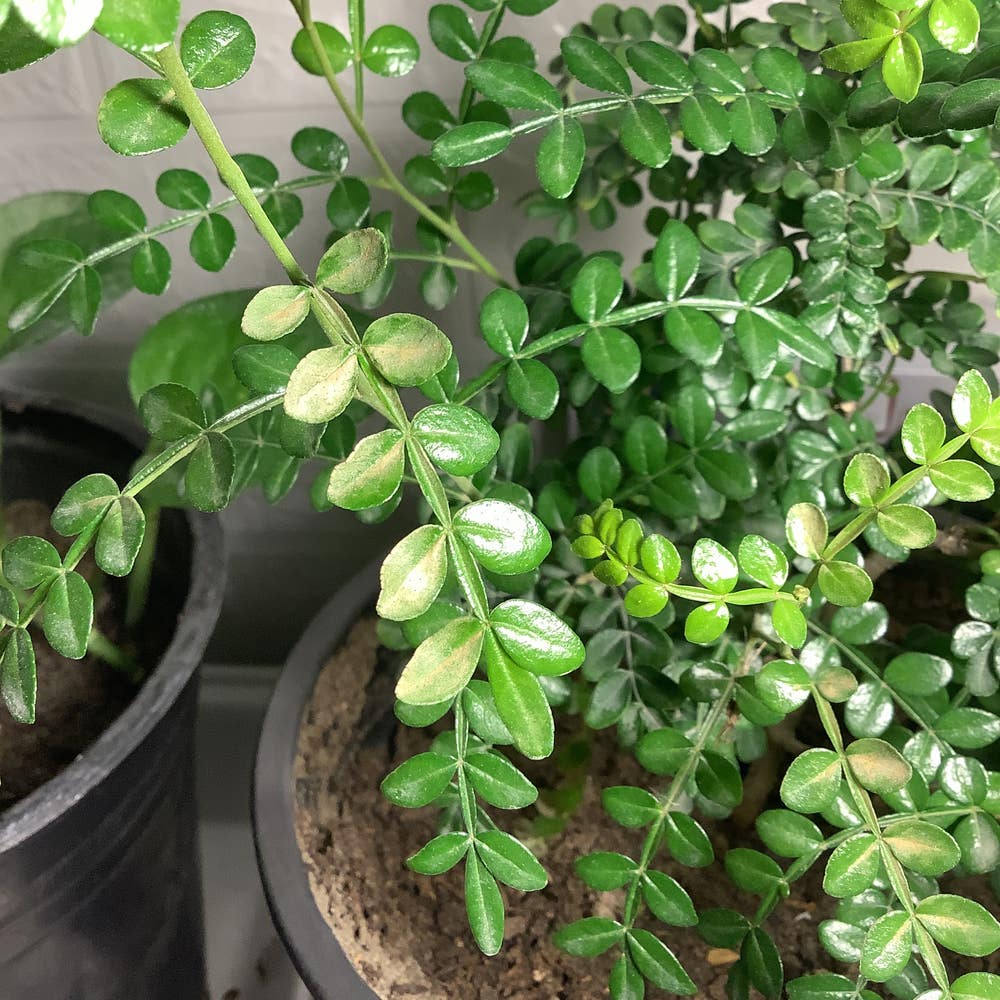
🌵 Step-by-Step Guide to Green Prickly Ash Growth
Zanthoxylum piperitum
By the Greg Editorial Team
Oct 17, 2024•5 min read
This article was created with the help of AI so we can cover more plants for you. May contain errors. See one? Report it here.
- 🌳 Green prickly ash can grow up to 30 feet tall with optimal care.
- 🌱 Nutrient-rich, well-draining soil is essential for healthy growth and larger plants.
- ☀️ Full sunlight exposure promotes taller growth; partial shade limits potential.
Mature Height and Spread
🌳 Typical Dimensions
The green prickly ash can reach impressive heights of up to 30 feet (9 meters) when conditions are just right. Its mature spread typically extends to about 20 feet (6 meters), creating a substantial presence in any landscape.
📏 Factors Influencing Size
Several factors play a crucial role in determining the size of your green prickly ash.
Soil Quality
Rich, well-draining soil is essential for promoting larger growth. Nutrient-dense soil provides the necessary foundation for robust development.
Sunlight Exposure
The amount of sunlight your plant receives significantly impacts its height and spread. Full sun encourages taller growth, while partial shade may limit its potential.
Moisture Levels
Consistent moisture is vital for healthier, larger plants. Adequate watering not only supports growth but also enhances overall vitality.
Understanding these factors can help you create the ideal environment for your green prickly ash, ensuring it thrives and reaches its full potential. Next, we’ll explore the growth rate and timeline to full size, giving you a clearer picture of what to expect as your plant matures.
Growth Rate and Timeline to Full Size
🌱 Average Growth Rate
The growth rate of the green prickly ash is moderate, typically achieving 1-2 feet per year under ideal conditions. This steady pace allows for a gradual transformation into a striking addition to your landscape.
⏳ Timeline to Full Size
Reaching full size generally takes about 10-15 years. However, this timeline can vary significantly based on environmental factors like soil quality and sunlight exposure.
🔍 Factors Influencing Growth Rate
- Soil Quality: Nutrient-rich, well-draining soil can accelerate growth.
- Sunlight: Full sun exposure encourages taller, healthier plants.
- Moisture Levels: Consistent watering is crucial for optimal growth.
Understanding these factors can help you create the best conditions for your green prickly ash, ensuring it thrives and reaches its full potential.
As you plan for your garden, keep in mind that patience is key. The journey from a young sapling to a mature tree is a rewarding experience that pays off in beauty and shade.
Next, let’s explore how different conditions can lead to size variability in your prickly ash.
Size Variability Based on Conditions
🌱 Growth Conditions Impact
The size of green prickly ash can vary significantly based on several growth conditions. Nutrient-rich soils are essential, as they promote faster growth and healthier plants.
Sunlight exposure is another critical factor. Plants that bask in full sun tend to grow taller and more robust compared to those in partial shade.
Moisture levels also play a vital role. Adequate watering can enhance growth rates, ensuring the plants thrive and reach their potential.
📏 Examples of Size Variability
The environment can dramatically influence the height of green prickly ash. For instance, plants in shaded areas may only reach 15-20 feet, falling short of their full potential.
Conversely, stressed plants—those suffering from poor soil or inadequate water—may remain under 10 feet. Understanding these variables helps gardeners create optimal conditions for growth.
In summary, by providing the right soil, sunlight, and moisture, you can significantly impact the size of your green prickly ash. This knowledge sets the stage for successful cultivation and care.
Dwarf and Giant Varieties
Dwarf Varieties 🌱
Dwarf prickly ash varieties typically reach heights of 5 to 10 feet. These compact plants are perfect for smaller gardens or landscape designs, allowing you to enjoy their unique characteristics without overwhelming your space.
Giant Varieties 🌳
On the other end of the spectrum, giant prickly ash varieties can exceed 30 feet in height. These majestic trees are ideal for larger spaces, serving as stunning focal points or specimen trees that command attention in any landscape.
Understanding the differences between dwarf and giant varieties can help you choose the right prickly ash for your garden. Whether you're looking to create a cozy nook or a grand statement, there's a prickly ash variety that fits your vision perfectly.
Next, let’s explore effective pruning techniques to maintain size control and promote healthy growth.
Pruning Techniques for Size Control
Importance of Pruning 🌱
Pruning is essential for maintaining the health and aesthetics of your green prickly ash. It encourages bushier growth and helps control both height and spread, ensuring your plant thrives in its designated space.
Recommended Pruning Methods ✂️
1. Timing ⏰
The best time to prune is in late winter or early spring, just before new growth begins. This timing maximizes the plant's recovery and promotes vigorous growth.
2. Techniques 🛠️
- Thinning: Remove older branches to allow sunlight and air to reach the inner parts of the plant. This promotes new growth and keeps the plant healthy.
- Topping: Cut back the top of the plant to limit its height. This technique is particularly useful if your prickly ash is getting too tall for your space.
3. Frequency 📅
Aim for annual pruning to maintain consistent size control. Regular attention helps your plant stay in shape and encourages robust growth.
Tools Needed 🧰
To effectively prune your green prickly ash, you'll need clean, sharp pruning shears. These will ensure precise cuts that promote healing. For thicker branches, consider using loppers for added leverage and ease.
With these pruning techniques, you can keep your green prickly ash healthy and well-shaped. Next, let’s explore the fascinating world of dwarf and giant varieties to see how they fit into your gardening plans.
⚠️ Safety First
This content is for general information and may contain errors, omissions, or outdated details. It is not medical, veterinary advice, or an endorsement of therapeutic claims.
Always consult a qualified healthcare professional before using any plant as food, medicine, or supplement.
Never eat any plant (or feed one to pets) without confirming its identity with at least two trusted sources.
If you suspect poisoning, call Poison Control (800) 222-1222, the Pet Poison Helpline (800) 213-6680, or your local emergency service immediately.
Spotted an error? Please report it here.
Transform your garden with a thriving green prickly ash 🌳 by using Greg's tailored care tips and watering reminders to help it reach its full potential!