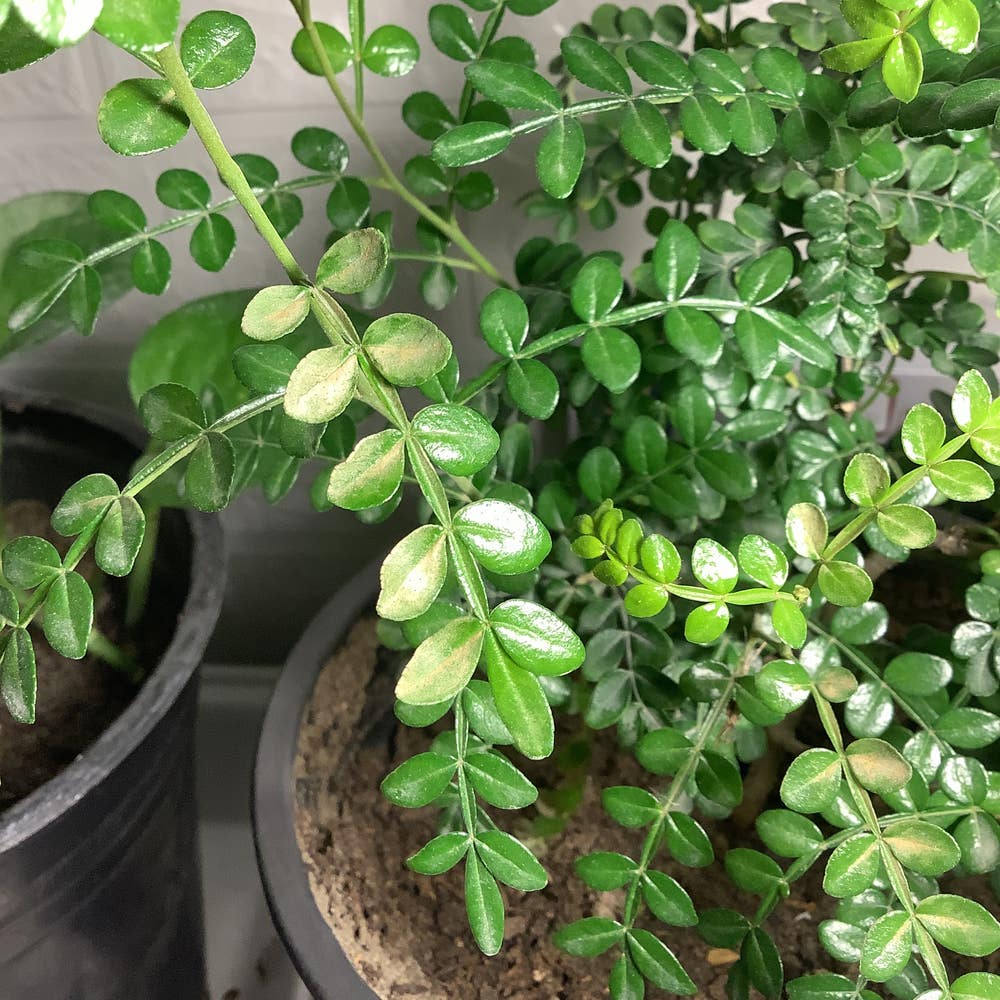
Ultimate Guide to Winter Care for Green Prickly Ash ❄️
Zanthoxylum piperitum
By the Greg Editorial Team
Oct 17, 2024•5 min read
This article was created with the help of AI so we can cover more plants for you. May contain errors. See one? Report it here.
- ❄️ Frost protection is vital for green prickly ash to prevent winter damage.
- 🌬️ Create windbreaks and use coverings to shield plants from harsh conditions.
- 💧 Adjust winter watering to avoid root rot; only water when soil is dry.
Winter Care Requirements
❄️ Frost protection techniques
Frost protection is crucial for your green prickly ash, as it prevents damage to both foliage and roots. Implementing effective methods can make all the difference during those chilly nights.
Methods of frost protection
- Covering plants: Use frost cloth or burlap to shield your plants from frost.
- Row covers: On particularly cold nights, blankets or row covers can provide an extra layer of warmth.
- Windbreaks: Create windbreaks using stakes and burlap to reduce wind exposure, which can exacerbate frost damage.
💧 Adjusting watering schedules for winter
As winter sets in, it's essential to adjust your watering schedule to prevent root rot. Overwatering can lead to yellowing leaves and mushy roots, signaling distress.
Recommended watering practices
- Watering frequency: Reduce how often you water; only do so when the top inch of soil is dry.
- Water temperature: Use room temperature water to avoid shocking the roots, ensuring a smoother transition into dormancy.
🌱 Fertilizing considerations during dormancy
During dormancy, it's vital to reduce fertilization to prevent nutrient buildup. This practice helps your green prickly ash conserve energy and prepare for the upcoming growing season.
Recommended practices
- Cease fertilization: Stop fertilizing in late fall to allow the plant to rest.
- Early spring application: Consider a light application of slow-release fertilizer as spring approaches, giving your plant a gentle boost when it wakes up.
With these winter care requirements in mind, your green prickly ash will be well-prepared to withstand the cold months. Next, let’s explore how to provide indoor winter care for your plants when the temperatures drop too low.
Indoor Winter Care
When to bring indoors 🌨️
As winter approaches, it's crucial to recognize when your green prickly ash needs to come inside. Look for signs like prolonged frost warnings or extreme cold; these indicate it's time to act.
Typically, you should bring your plants indoors before the first hard frost hits. This proactive step helps protect them from potential damage.
Ideal indoor conditions for winter 🌡️
Creating the right indoor environment is essential for your plant's survival. Aim for a temperature range between 60°F and 70°F (15°C to 21°C) to keep your prickly ash comfortable.
Humidity levels also play a significant role. Maintain moderate humidity to prevent your plant from drying out.
Lastly, consider light conditions. Place your prickly ash in a bright spot with indirect sunlight to ensure it thrives during the winter months.
With these indoor care tips, your green prickly ash will be well-prepared to weather the winter. Next, let’s explore how to prepare for spring and ensure a healthy transition from dormancy.
Spring Preparation
🌱 Signs of Recovery from Winter Damage
As spring approaches, look for new leaf buds and vibrant green stems. These are strong indicators that your green prickly ash is bouncing back from winter's harsh grip.
Keep an eye out for stress signals, such as wilting or yellowing leaves. These signs may suggest that your plant needs a little extra care to fully recover.
✂️ Pruning and Care as Spring Approaches
Timing is crucial for pruning. Aim to prune your prickly ash from late winter to early spring, just before new growth begins.
When pruning, focus on removing dead or damaged branches. This not only improves the plant's appearance but also promotes airflow by thinning out crowded areas.
By taking these steps, you’ll help your plant thrive as it enters the growing season. With proper care, your green prickly ash will flourish, setting the stage for a vibrant spring.
Common Winter Problems and Solutions
🥶 Identifying frost damage
Frost damage can be a real concern for your green prickly ash. Look for symptoms like brown, crispy leaves and stem dieback, which indicate that your plant has been affected by cold temperatures.
To assess the extent of the damage, check the pliability of the stems. Healthy stems should be flexible, while damaged ones may feel brittle or break easily. Overall plant vigor is also a key indicator; if your plant looks droopy or lifeless, it may need some extra care.
❄️ Addressing cold hardiness issues
Understanding cold hardiness is crucial for successful winter care. Different varieties of prickly ash have varying tolerances to low temperatures, so knowing your plant's limits can save you from future headaches.
If you find that your current variety struggles in the cold, consider selecting cold-hardy options for future planting. Additionally, implementing protective measures, such as frost cloths or strategic placement, can help safeguard sensitive plants during harsh winter months.
By staying vigilant and proactive, you can ensure your green prickly ash thrives even in the coldest conditions. Next, let’s explore the tools and products that can make winter care easier.
Tools and Products for Winter Care
Recommended mulching materials 🌾
Mulching is a simple yet effective way to protect your green prickly ash during winter. Organic options like straw, wood chips, or shredded leaves not only insulate the roots but also enrich the soil as they decompose.
To apply mulch, spread a layer of 2-4 inches around the base of the plant. This helps retain moisture and regulate soil temperature, creating a cozy environment for your plant.
Protective coverings for outdoor plants 🛡️
When it comes to shielding your prickly ash from harsh winter conditions, protective coverings are essential. Frost cloths, burlap, and plastic sheeting are popular choices that can effectively guard against frost and wind.
For best results, ensure that your coverings are secure but allow for ventilation. This prevents moisture buildup, which can lead to mold or rot. Remember to remove the coverings on warmer days to avoid overheating your plants, keeping them comfortable throughout the winter months.
With these tools and products, you can confidently prepare your green prickly ash for winter. Next, let’s explore how to identify and address common winter problems that may arise.
⚠️ Safety First
This content is for general information and may contain errors, omissions, or outdated details. It is not medical, veterinary advice, or an endorsement of therapeutic claims.
Always consult a qualified healthcare professional before using any plant as food, medicine, or supplement.
Never eat any plant (or feed one to pets) without confirming its identity with at least two trusted sources.
If you suspect poisoning, call Poison Control (800) 222-1222, the Pet Poison Helpline (800) 213-6680, or your local emergency service immediately.
Spotted an error? Please report it here.
Keep your green prickly ash thriving this winter ❄️ by using Greg's tailored reminders for frost protection and watering, ensuring it stays healthy and vibrant all season long!