🌵 Why Green Prickly Ash Is Not an Annual
Zanthoxylum piperitum
By the Greg Editorial Team
Oct 17, 2024•5 min read
This article was created with the help of AI so we can cover more plants for you. May contain errors. See one? Report it here.
- 🌱 Green Prickly Ash is a perennial, thriving year after year with unique traits.
- 🌼 It blooms over several seasons, unlike annuals that flower all at once.
- 🌍 Enhances biodiversity in gardens, providing shelter and ecological benefits for wildlife.
Characteristics of Green Prickly Ash
Genetic Traits 🌱
Green Prickly Ash, scientifically classified as Zanthoxylum americanum, showcases unique genetic traits that contribute to its perennial nature. Its genetic adaptations allow it to thrive year after year, rather than following the lifecycle of an annual plant.
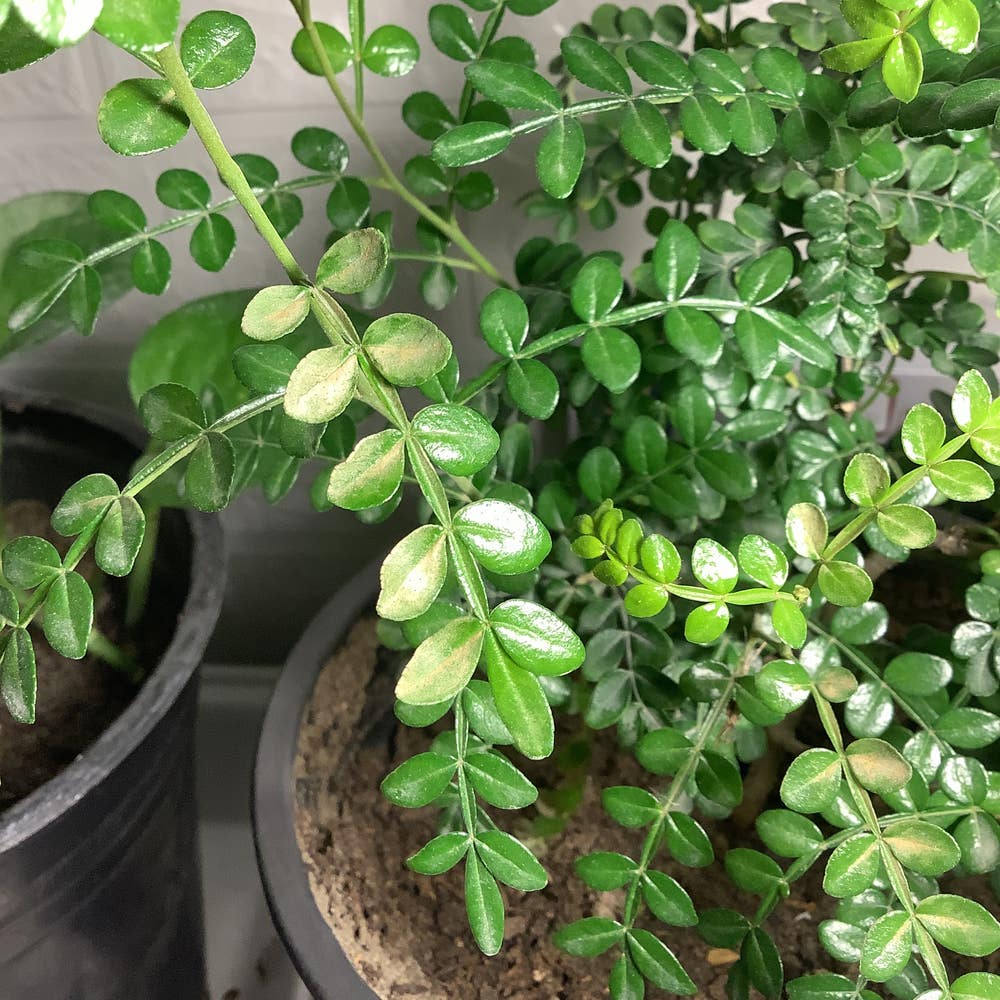
The plant features spiny branches that deter herbivores, while its aromatic leaves release a distinct scent when crushed. These characteristics not only protect the plant but also attract beneficial insects, enhancing its ecological role.
Physiological Traits Supporting Perennial Growth 🌿
The root system of Green Prickly Ash is robust, allowing it to anchor deeply into the soil. This development supports nutrient absorption and water retention, crucial for survival during dry spells.
Additionally, the leaf structure is adapted to minimize water loss, making it resilient to environmental stressors. This adaptability is vital for thriving in diverse climates.
Long-Term Lifecycle and Growth Patterns ⏳
Green Prickly Ash exhibits a fascinating long-term lifecycle, transitioning through distinct growth phases. It has both vegetative and reproductive stages, allowing it to maximize its growth potential throughout the seasons.
Typically, this plant can live for several years, displaying seasonal behavior that aligns with environmental changes. Understanding these patterns is essential for anyone looking to cultivate this remarkable species.
In the next section, we will explore how Green Prickly Ash compares to true annual plants, shedding light on its unique lifecycle and implications for gardening.
Lifecycle Comparison
Green Prickly Ash vs. True Annual Plants 🌱
Green Prickly Ash has a significantly longer lifecycle compared to true annual plants. While annuals complete their growth cycle in a single season, Green Prickly Ash thrives over multiple years, showcasing distinct growth patterns.
This longevity allows for more robust garden planning. Knowing that Green Prickly Ash will return year after year can influence your design choices, making it a reliable choice for creating lasting landscapes.
Implications of Lifecycle on Flowering and Seed Production 🌼
The flowering frequency of Green Prickly Ash is notably different from annuals. It typically flowers in cycles, producing blooms over several seasons rather than all at once.
In terms of seed production, Green Prickly Ash employs strategic methods to ensure survival. Its seeds are often dispersed over time, enhancing ecological benefits by supporting local wildlife and promoting biodiversity.
Understanding these aspects can help gardeners appreciate the plant's role in their ecosystem, making it a valuable addition to any garden.
Regional Variations and Misconceptions
🌍 Conditions Leading to Misclassification
Misclassification of green prickly ash often stems from environmental stressors. Factors like drought, poor soil quality, and improper care can lead to stunted growth, making it appear more like an annual than the perennial it truly is.
☀️ Exceptions in Different Climates
Green prickly ash exhibits remarkable adaptability across various climates. In regions with milder temperatures and adequate moisture, it thrives, showcasing its perennial nature more prominently.
❓ Common Misconceptions
Many gardeners misunderstand the growth habits and lifecycle of green prickly ash. This confusion can lead to incorrect assumptions about its care and longevity, ultimately affecting its successful integration into gardens.
Understanding these regional variations and misconceptions is crucial for effective gardening. By recognizing the true nature of green prickly ash, you can better appreciate its role in your landscape and ensure its thriving presence.
Gardening Implications
🌿 Benefits of Incorporating Green Prickly Ash
Green prickly ash is more than just a unique plant; it offers significant ecological and aesthetic value. Its spiny branches provide shelter for various wildlife, while its aromatic leaves can enhance the sensory experience of any garden.
Additionally, this perennial plant contributes to soil health by preventing erosion and improving nutrient cycling. By incorporating green prickly ash, gardeners can create a more biodiverse and resilient ecosystem.
🌱 Strategies for Maximizing Its Perennial Nature
To fully leverage the benefits of green prickly ash, consider specific planting techniques. Position it in well-drained soil with adequate sunlight to promote robust growth.
Companion planting can also enhance its health and productivity. Pairing it with nitrogen-fixing plants can improve soil fertility and create a thriving garden environment.
✂️ Tips for Managing Green Prickly Ash
Managing green prickly ash requires seasonal care and maintenance practices. Regular pruning helps maintain its shape and encourages new growth, while mulching can retain moisture and suppress weeds.
During the growing season, monitor for pests and diseases. Early intervention can prevent larger issues, ensuring your green prickly ash remains healthy and vibrant.
Incorporating these practices will not only enhance the longevity of your green prickly ash but also enrich your entire garden. As we explore the best practices for care and maintenance, you'll discover how to keep this remarkable plant thriving year after year.
Maximizing Longevity
Best Practices for Care and Maintenance 🌱
To ensure your green prickly ash thrives, establish a consistent watering schedule. Aim for deep watering once a week, allowing the soil to dry out slightly between sessions.
Fertilization is equally important. Use a balanced, slow-release fertilizer in early spring to support robust growth throughout the growing season.
Environmental Factors Affecting Longevity ☀️
Soil type plays a crucial role in the health of green prickly ash. Well-draining soil rich in organic matter promotes strong root development.
Sunlight exposure is another key factor. Ideally, these plants prefer full sun to partial shade, which enhances their growth and resilience.
Pest and Disease Management 🐞
Common pests that may target green prickly ash include aphids and spider mites. Regularly inspect your plants and use insecticidal soap if you notice any infestations.
Preventing diseases is equally vital. Ensure good air circulation around your plants and avoid overhead watering to minimize fungal issues.
By following these best practices, you can maximize the longevity of your green prickly ash, ensuring it remains a vibrant part of your garden for years to come. Next, let’s explore the benefits of incorporating this unique plant into your gardening plans.
⚠️ Safety First
This content is for general information and may contain errors, omissions, or outdated details. It is not medical, veterinary advice, or an endorsement of therapeutic claims.
Always consult a qualified healthcare professional before using any plant as food, medicine, or supplement.
Never eat any plant (or feed one to pets) without confirming its identity with at least two trusted sources.
If you suspect poisoning, call Poison Control (800) 222-1222, the Pet Poison Helpline (800) 213-6680, or your local emergency service immediately.
Spotted an error? Please report it here.
Unlock the perennial potential of Green Prickly Ash 🌿 with Greg's tailored care tips and watering reminders, ensuring your garden thrives season after season!