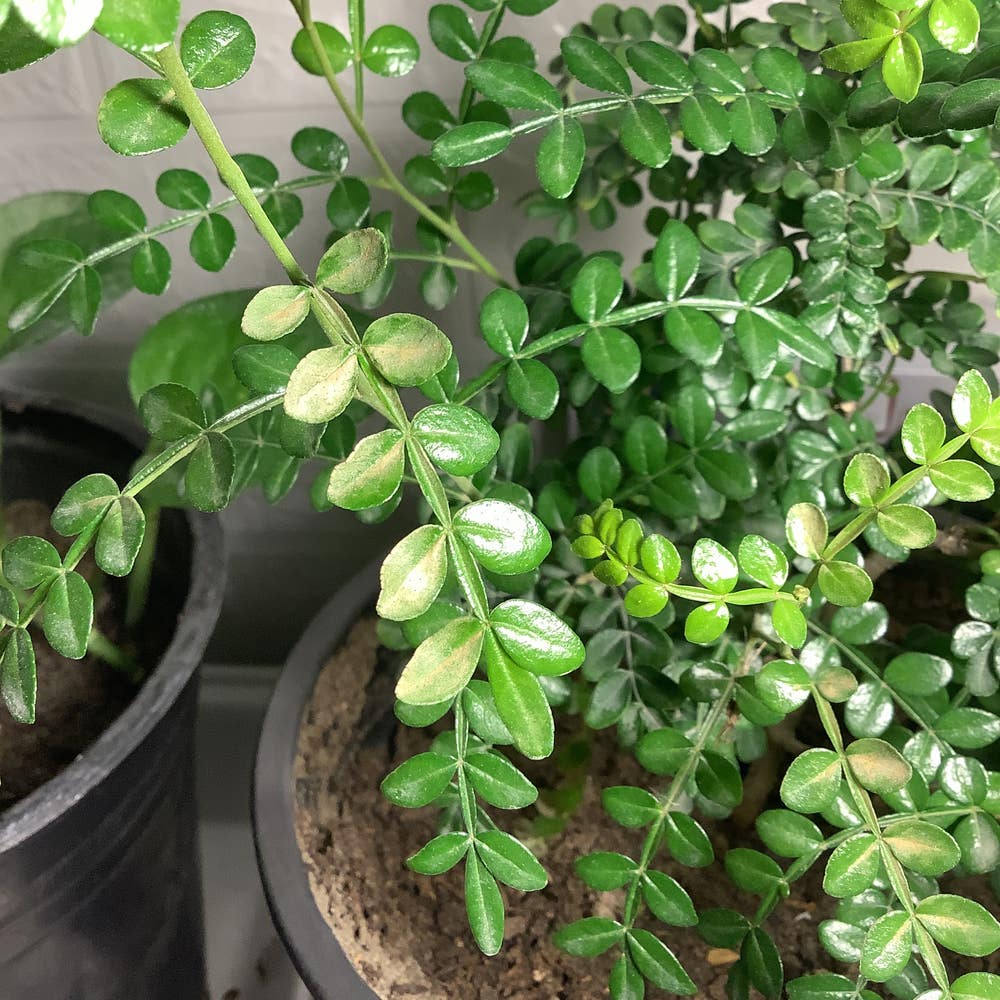
Best Humidity Levels for Green Prickly Ash 💧
Zanthoxylum piperitum
By the Greg Editorial Team
Oct 17, 2024•6 min read
This article was created with the help of AI so we can cover more plants for you. May contain errors. See one? Report it here.
- 🌱 Ideal humidity for Green Prickly Ash is 40%-60% for optimal growth.
- 💧 Low humidity causes leaf curling and stunted growth; monitor regularly!
- 🌬️ Good air circulation prevents fungal diseases; adjust care seasonally for best results.
Ideal Humidity Range for Optimal Growth
Maintaining the right humidity levels is crucial for the health of your Green Prickly Ash. Aim for a relative humidity range of 40% to 60% to ensure optimal growth.
🌱 Impact of Humidity on Growth Rate and Leaf Health
Humidity directly influences growth rates and leaf vitality. When humidity is within the ideal range, your plant will thrive, showcasing lush, vibrant leaves.
☀️ Seasonal Variations in Humidity Requirements
Humidity needs can shift with the seasons. During winter, indoor heating can lower humidity, while summer may bring higher levels, necessitating adjustments to your care routine.
Understanding these variations helps you provide the best environment for your Green Prickly Ash, ensuring it remains healthy and robust throughout the year.
Effects of Low Humidity
Symptoms of Low Humidity 🌵
Low humidity can wreak havoc on your Green Prickly Ash. Common symptoms include leaf curling, browning tips, and an increased susceptibility to pests.
Long-Term Consequences ⏳
If left unaddressed, low humidity can lead to stunted growth and even potential leaf drop. This can significantly impact the overall health of your plant.
Strategies to Mitigate Low Humidity Effects 💪
Fortunately, there are several strategies to combat low humidity.
Increase Humidity with Simple Solutions
Consider using a humidifier to maintain optimal moisture levels. Alternatively, placing a pebble tray filled with water beneath your plant can help elevate humidity.
Monitor and Adjust Care
Regularly check your plant's environment and adjust your care routine accordingly. Tailoring your watering schedule based on humidity levels can make a big difference.
Conclusion 📈
By recognizing the symptoms and implementing effective strategies, you can keep your Green Prickly Ash thriving. Next, let’s explore the effects of high humidity and how to balance moisture levels for healthy growth.
Effects of High Humidity
High humidity can be a double-edged sword for Green Prickly Ash. While it thrives in certain moisture levels, excessive humidity can lead to serious problems.
🌧️ Symptoms of High Humidity
Fungal diseases are a common issue when humidity levels soar. You might notice root rot and leaf mold creeping in, which can devastate your plant's health.
🌬️ Importance of Air Circulation
To combat these issues, air circulation is crucial. Proper airflow helps prevent excess moisture from settling on leaves and soil, reducing the risk of fungal growth.
⚖️ Balancing Humidity Levels
Finding the right balance is key for healthy growth. Aim for a humidity level that supports your plant without pushing it into the danger zone.
By keeping an eye on humidity and ensuring good air circulation, you can help your Green Prickly Ash flourish. Next, let’s explore effective strategies for managing humidity levels in your indoor garden.
Strategies for Managing Humidity
Maintaining the right humidity levels is crucial for the health of your Green Prickly Ash. Here are effective strategies to manage humidity, both by boosting and reducing it.
🌧️ Methods to Boost Humidity
Use of Humidifiers
Humidifiers can be a game-changer for indoor plants. Look for ultrasonic or evaporative models that efficiently raise humidity without over-saturating the air.
Set your humidifier to maintain levels between 40% to 60%. This range is ideal for promoting lush growth and vibrant leaves.
Pebble Trays and Water Dishes
Creating a pebble tray is simple and effective. Fill a shallow tray with pebbles and add water until it just touches the pebbles, then place your plant pot on top.
This setup not only increases humidity but also adds a decorative touch. Water dishes placed nearby can also help elevate moisture levels.
Grouping Plants Together
Grouping your plants can create beneficial microclimates. When placed close together, they share moisture and create a humid environment.
Aim for a spacing that allows air circulation while maximizing humidity. This arrangement can significantly enhance the overall health of your plants.
💨 Methods to Reduce Humidity
Air Circulation Techniques
Proper air circulation is essential for controlling humidity. Fans can help disperse excess moisture and prevent fungal issues.
Position fans to create a gentle airflow around your plants. This setup helps maintain a balanced humidity level.
Choosing Appropriate Potting Materials
Selecting the right potting materials is key to preventing waterlogged conditions. Look for mixes that include perlite or sand for better drainage.
Avoid heavy soils that retain too much moisture. This choice will help keep your Green Prickly Ash thriving without the risk of root rot.
By implementing these strategies, you can effectively manage humidity levels for your Green Prickly Ash. Next, let’s explore how to monitor humidity to ensure your plant remains healthy and vibrant.
Monitoring Humidity
🌡️ Tools for Measuring Humidity Levels
To keep your Green Prickly Ash thriving, investing in a reliable hygrometer is essential. Look for digital hygrometers that provide accurate readings and are easy to read at a glance.
Understanding how to interpret these readings is crucial. Aim for a relative humidity level between 40% and 60% for optimal growth.
👀 Signs of Inadequate Humidity
Keep an eye out for visual indicators that your plant might be struggling. Leaf curling, browning tips, and wilting are clear signs that humidity levels are too low.
Behavioral signs can also signal trouble. If you notice slower growth or an uptick in pest activity, it’s time to reassess your humidity management.
🔧 Adjusting Care Based on Humidity Readings
Tailoring your watering schedule based on humidity levels can make a significant difference. In drier conditions, increase your watering frequency to help maintain moisture.
Additionally, modify your humidity-boosting strategies as needed. If readings dip below the ideal range, consider using a humidifier or adjusting your plant's placement to enhance its environment.
By staying vigilant and responsive to humidity levels, you can ensure your Green Prickly Ash remains healthy and vibrant. Next, let’s explore how seasonal changes can impact humidity and what adjustments you can make throughout the year.
Seasonal Considerations
🌦️ How Seasonal Changes Affect Humidity Levels
Seasonal changes can significantly impact the humidity levels in your home. In winter, heating systems often dry out the air, while summer cooling can lead to higher humidity levels.
These fluctuations can affect your Green Prickly Ash, making it crucial to monitor and adjust care accordingly. During winter, the dry air can lead to stress for your plant, while summer's humidity can create a breeding ground for pests.
💧 Adjusting Humidity Strategies Throughout the Year
To keep your Green Prickly Ash thriving, adjust your humidity strategies based on the season. In winter, consider using humidifiers or pebble trays to combat dry air.
In summer, ensure good air circulation to prevent excess moisture buildup. Regularly check humidity levels and be proactive in making adjustments to your care routine.
By staying attuned to seasonal changes, you can create a nurturing environment for your plant, ensuring it remains healthy and vibrant all year round.
⚠️ Safety First
This content is for general information and may contain errors, omissions, or outdated details. It is not medical, veterinary advice, or an endorsement of therapeutic claims.
Always consult a qualified healthcare professional before using any plant as food, medicine, or supplement.
Never eat any plant (or feed one to pets) without confirming its identity with at least two trusted sources.
If you suspect poisoning, call Poison Control (800) 222-1222, the Pet Poison Helpline (800) 213-6680, or your local emergency service immediately.
Spotted an error? Please report it here.
Keep your Green Prickly Ash thriving 🌱 by using Greg's tailored humidity tips and reminders to maintain that perfect 40% to 60% range for optimal growth!