🌵 4 Green Prickly Ash Varieties You Didn't Know About
Zanthoxylum piperitum
By the Greg Editorial Team
Oct 17, 2024•5 min read
This article was created with the help of AI so we can cover more plants for you. May contain errors. See one? Report it here.
- 🌱 Explore diverse green prickly ash cultivars for unique garden aesthetics and resilience.
- 🌿 'Lemon Zest' and 'Thornless Wonder' are perfect for urban gardens and easy handling.
- 🌈 Seasonal color changes in prickly ash add dynamic beauty to any landscape.
Popular Cultivars
Description of the Most Popular Cultivars 🌱
Cultivar 1: 'Northern Spice'
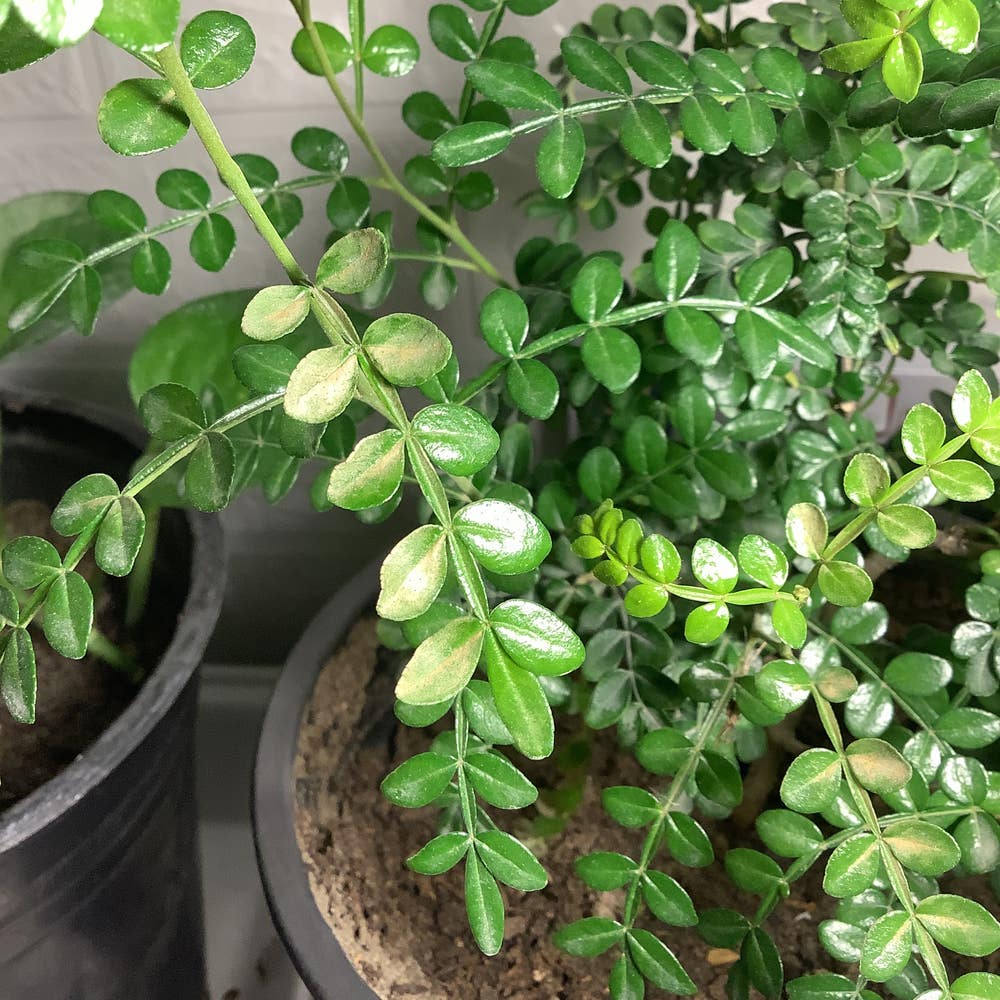
'Northern Spice' stands out with its aromatic leaves and compact growth habit. The dark green foliage boasts a glossy finish, making it a striking addition to any garden.
Cultivar 2: 'Lemon Zest'
Next up is 'Lemon Zest,' known for its citrus-scented leaves and vibrant yellow-green color. This smaller cultivar is perfect for urban gardens, bringing a splash of brightness to limited spaces.
Cultivar 3: 'Thornless Wonder'
If you're looking for ease of handling, 'Thornless Wonder' is your go-to. Its lack of prickles and spreading growth habit make it an excellent choice for ground cover.
Cultivar 4: 'Golden Ash'
Finally, 'Golden Ash' dazzles with bright yellow foliage in spring. As the seasons change, its colors shift to green in summer and then to a stunning gold in fall, offering year-round visual interest.
These popular cultivars not only enhance your garden's aesthetic but also provide unique characteristics that cater to various gardening needs. Next, we'll explore hybrid varieties and how they differ from traditional species plants.
Hybrid Varieties
🌱 Explanation of Hybrid Varieties
Hybrid varieties of green prickly ash are created through crossbreeding different cultivars or species. This process results in plants that often exhibit enhanced characteristics, making them more appealing for gardeners.
✨ Enhanced Traits of Hybrid Varieties
One of the standout features of hybrids is their improved traits. Many hybrids boast increased drought tolerance and pest resistance, which can significantly reduce maintenance efforts.
📈 Growth Habits Compared to Species Plants
In terms of growth habits, hybrids typically offer more compact or vigorous growth than their species counterparts, like Zanthoxylum americanum. This makes them suitable for a variety of garden settings, from small urban spaces to larger landscapes.
🌼 Practical Implications for Gardeners
For gardeners, choosing hybrid varieties can lead to a more resilient garden. These plants not only thrive in diverse conditions but also require less attention, allowing you to enjoy your garden without constant upkeep.
As we explore the next section, we'll dive into the rare varieties of green prickly ash, uncovering unique cultivars that may surprise you.
Rare Varieties
🌟 Description of Rare Cultivars
'Blue Flame'
The 'Blue Flame' cultivar stands out with its striking blue-tinged leaves, making it a rare gem in the world of prickly ash. Its unique coloration not only adds visual interest but also sets it apart from more common varieties.
'Dwarf Prickly Ash'
Another fascinating option is the 'Dwarf Prickly Ash,' known for its miniature size. This cultivar is perfect for small gardens, allowing gardeners to enjoy the beauty of prickly ash without taking up too much space.
🌱 Special Care Requirements for Rare Cultivars
Soil Needs
Rare cultivars like 'Blue Flame' and 'Dwarf Prickly Ash' have specific soil requirements. They thrive in well-draining, slightly acidic soil, which helps prevent root rot and promotes healthy growth.
Watering Frequency
When it comes to watering, these rare varieties are more drought-tolerant. This means you can water them less frequently, making them a low-maintenance choice for busy gardeners.
Understanding the unique characteristics and care needs of these rare cultivars can enhance your gardening experience. Next, we’ll explore the color and size variations among different prickly ash cultivars, helping you choose the right plants for your space.
Color and Size Variations
🎨 Discussion on Color Variations Among Different Cultivars
When it comes to color, green prickly ash varieties offer a delightful palette. You can find dark green, vibrant yellow-green, and even rare blue-tinged leaves among different cultivars.
Seasonal changes add another layer of beauty. As the seasons shift, foliage colors transform, creating a dynamic landscape that evolves throughout the year.
📏 Size Differences and Their Implications for Planting
Size is another key factor to consider. Some varieties grow tall and robust, while others remain compact and manageable.
These size differences impact planting strategies. Taller varieties may require more space, while compact ones can fit snugly into smaller gardens, making thoughtful spacing essential for optimal growth.
Care Requirements for Specific Varieties
🌱 Special Care Needs for Popular and Rare Cultivars
Caring for green prickly ash cultivars requires attention to their unique needs. Popular cultivars, like 'Northern Spice' and 'Lemon Zest', thrive with specific soil amendments and microclimate considerations.
For these varieties, ensure the soil is rich in organic matter. This boosts growth and enhances their aromatic qualities.
🔍 Monitoring Rare Cultivars
Rare cultivars, such as 'Blue Flame' and 'Dwarf Prickly Ash', demand a bit more vigilance. Regular monitoring for pests and diseases is crucial to keep these unique plants healthy.
Adjusting care based on their growth habits and environmental conditions can make a significant difference. For instance, ensure they have adequate drainage and protection from harsh weather.
📝 General Care Tips
- Soil: Well-draining, slightly acidic soil benefits all varieties.
- Watering: Less frequent watering is ideal for drought-tolerant traits, especially in rare cultivars.
By understanding and addressing these specific care needs, you can cultivate a thriving collection of prickly ash varieties. This attention to detail not only enhances their beauty but also ensures their longevity in your garden.
Next, let’s explore the fascinating color and size variations among these cultivars.
⚠️ Safety First
This content is for general information and may contain errors, omissions, or outdated details. It is not medical, veterinary advice, or an endorsement of therapeutic claims.
Always consult a qualified healthcare professional before using any plant as food, medicine, or supplement.
Never eat any plant (or feed one to pets) without confirming its identity with at least two trusted sources.
If you suspect poisoning, call Poison Control (800) 222-1222, the Pet Poison Helpline (800) 213-6680, or your local emergency service immediately.
Spotted an error? Please report it here.
Discover the charming diversity of green prickly ash varieties 🌿, and let Greg guide you with personalized care tips to ensure your garden thrives beautifully!