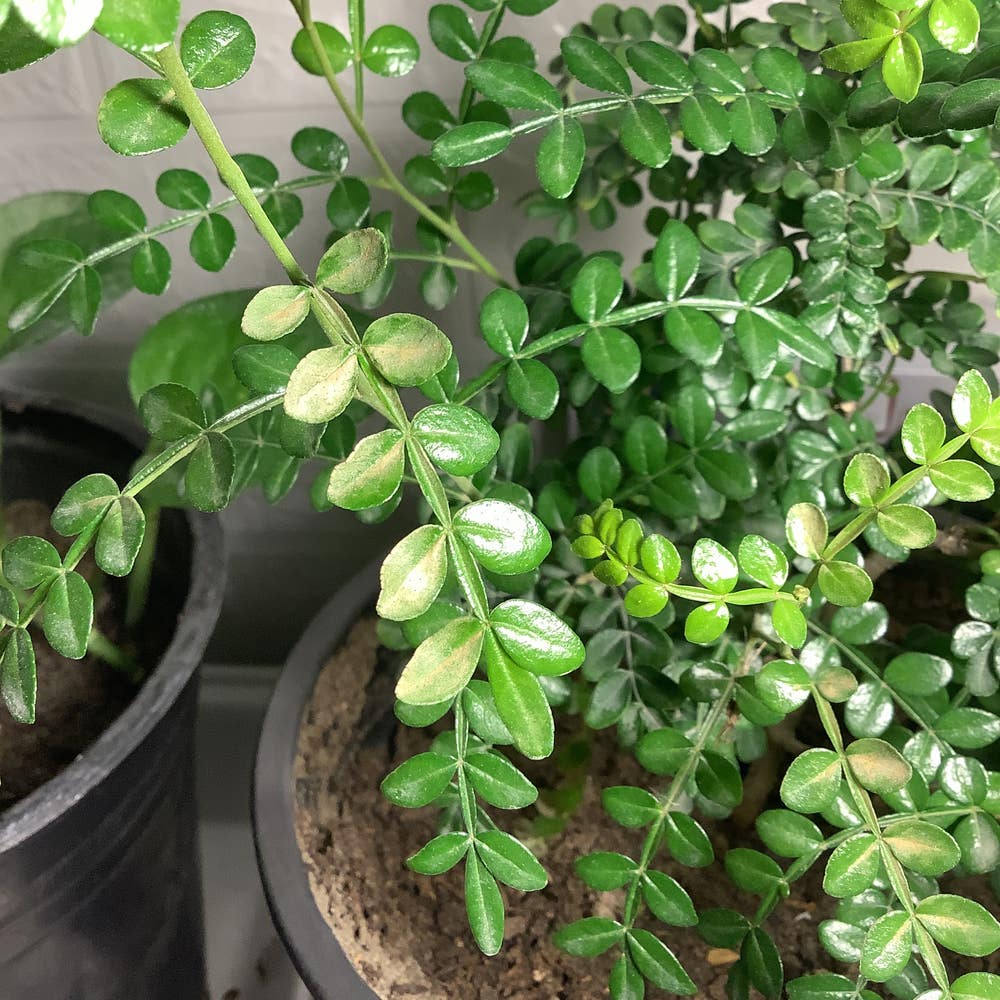
How to Cure Root Rot in Your Green Prickly Ash 🩹
Zanthoxylum piperitum
By the Greg Editorial Team
Oct 17, 2024•4 min read
This article was created with the help of AI so we can cover more plants for you. May contain errors. See one? Report it here.
- 🌱 Assess root health by checking for firm, white roots versus mushy, dark ones.
- 🧼 Disinfect pots with bleach to eliminate pathogens before repotting your Prickly Ash.
- 💧 Water sparingly and only when the top inch of soil feels dry to prevent rot.
Curing Root Rot
Step-by-Step Treatment Process 🌱
Remove the plant from its pot: Start by gently taking out your Green Prickly Ash. This step is crucial to assess the root condition.
Inspect the roots: Look closely at the roots to distinguish between healthy and rotting sections. Healthy roots are firm and white, while rotting roots appear mushy and dark.
Trim affected roots: Grab some sterilized scissors and carefully cut away the mushy parts. This helps prevent further spread of rot.
Clean the pot: Disinfect the pot using a bleach solution. This step is vital to eliminate any lingering pathogens that could harm your plant.
Repot with fresh soil: Choose a well-draining soil mix specifically designed for Prickly Ash. This will provide the right environment for recovery.
Water sparingly: After repotting, allow the soil to dry out between waterings. Overwatering can reignite root rot issues.
Recommended Products for Treatment 🛒
Fungicides: Look for specific products that target root rot pathogens. These can help combat any remaining issues.
Soil amendments: Consider adding perlite or sand to your soil mix. These materials improve drainage, which is essential for healthy roots.
Rooting hormone: Using a rooting hormone can encourage robust root growth after treatment. This boosts your plant's chances of recovery.
By following these steps and utilizing the right products, you can effectively cure root rot in your Green Prickly Ash. With a little care, your plant can bounce back and thrive once again.
Next, let’s explore how to prevent root rot from occurring in the first place.
Preventing Root Rot
🌱 Best Soil Types for Green Prickly Ash
Choosing the right soil is crucial for your Green Prickly Ash's health. Opt for well-draining soil, such as sandy loam or a commercial cactus mix, to prevent water retention.
The ideal soil pH is slightly acidic to neutral, ranging from 6.0 to 7.0. Incorporating organic matter like compost can provide essential nutrients without compromising drainage.
🚰 Watering Techniques to Avoid Overwatering
Watering practices play a significant role in preventing root rot. Stick to a schedule where you only water when the top inch of soil feels dry.
Using a moisture meter can help you gauge soil moisture accurately. Watering in the morning allows excess moisture to evaporate, reducing the risk of rot.
🪴 Importance of Drainage and Pot Selection
Proper drainage is non-negotiable for healthy plants. Always use pots with drainage holes to prevent water accumulation at the bottom.
Materials matter too; terracotta or ceramic pots are excellent choices as they allow for breathability. Elevating your pots with feet or trays can further enhance drainage, keeping your Green Prickly Ash thriving.
By following these guidelines, you can create a nurturing environment that minimizes the risk of root rot. Next, let’s explore how to monitor your plant's health effectively.
Monitoring Plant Health
Signs of Recovery from Root Rot 🌱
After treating root rot, keep an eye out for signs of recovery. The emergence of fresh leaves and shoots indicates that your Green Prickly Ash is bouncing back.
Another positive sign is improved color. If the leaves transition from yellowing to a vibrant green, your plant is regaining its health.
Finally, check the roots. Healthy roots should feel firm and appear white when inspected, signaling that your plant is on the mend.
Regular Care Practices to Maintain Plant Health 🌿
To ensure your plant continues to thrive, establish a consistent watering schedule. Stick to watering only when the top inch of soil is dry to the touch.
Fertilization is also key. During the growing season, use a balanced fertilizer to provide essential nutrients.
Don't forget about environmental checks. Make sure your plant receives adequate light and airflow to support its overall health.
By following these practices, you can help your Green Prickly Ash flourish and prevent future issues. Now, let’s explore how to prevent root rot in the first place.
⚠️ Safety First
This content is for general information and may contain errors, omissions, or outdated details. It is not medical, veterinary advice, or an endorsement of therapeutic claims.
Always consult a qualified healthcare professional before using any plant as food, medicine, or supplement.
Never eat any plant (or feed one to pets) without confirming its identity with at least two trusted sources.
If you suspect poisoning, call Poison Control (800) 222-1222, the Pet Poison Helpline (800) 213-6680, or your local emergency service immediately.
Spotted an error? Please report it here.
Revive your Green Prickly Ash from root rot and keep it thriving 🌱 with Greg's tailored watering reminders and moisture monitoring to ensure your plant flourishes!