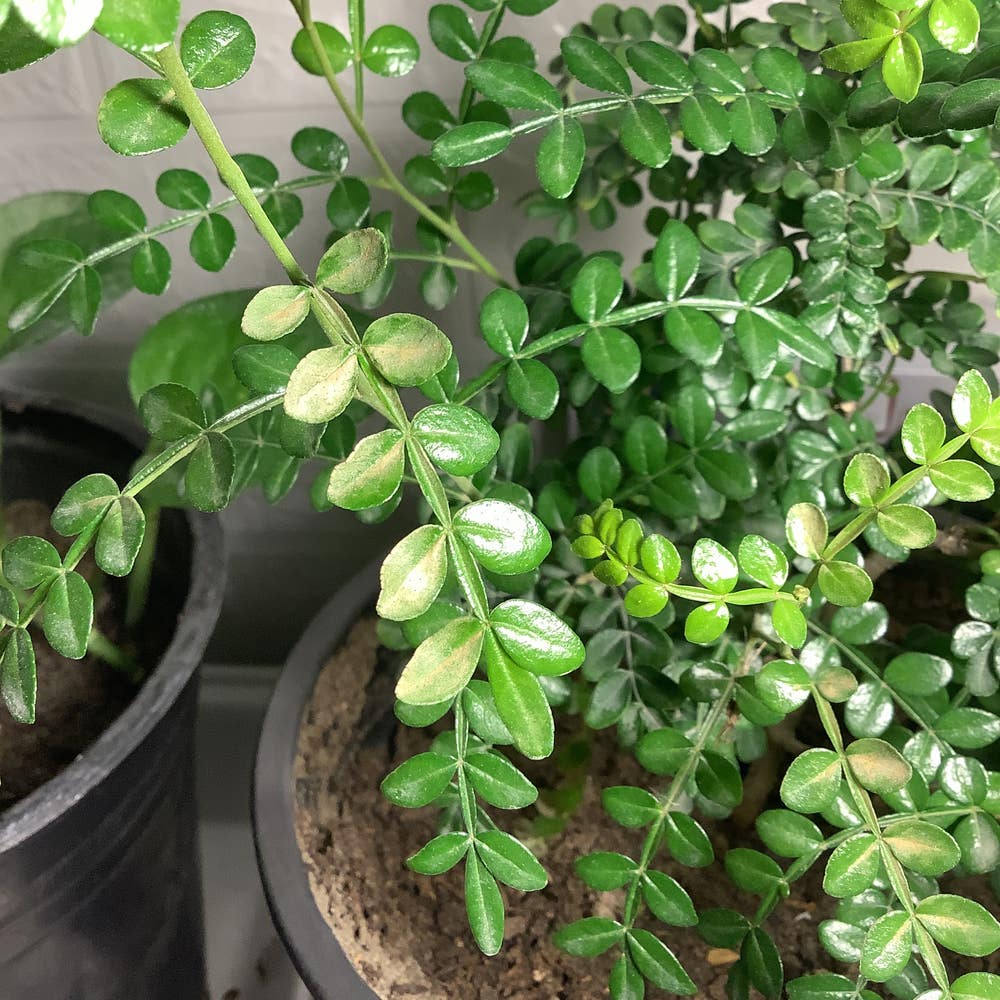
🌵 Step-by-Step Guide to Choosing Soil for Green Prickly Ash
Zanthoxylum piperitum
By the Greg Editorial Team
Oct 17, 2024•6 min read
This article was created with the help of AI so we can cover more plants for you. May contain errors. See one? Report it here.
- 🌱 Optimal pH for green prickly ash is 6.0-7.0 for nutrient availability.
- 🧪 Regular soil testing is crucial for maintaining healthy conditions for your plant.
- 🌿 Signs of unhealthy soil include mold and compaction; address these promptly!
Soil pH and Nutrient Needs
Ideal pH Range 🌱
The ideal pH range for green prickly ash (Zanthoxylum) is between 6.0 and 7.0, which is slightly acidic to neutral. This pH level is crucial because it affects nutrient availability and overall plant health.
When the pH is too low or too high, essential nutrients may become locked away, making it difficult for the plant to absorb them. This can lead to poor growth and health issues.
Nutrient Requirements Specific to Zanthoxylum 🌿
Green prickly ash has specific nutrient needs to thrive. Key nutrients include:
- Nitrogen: Vital for leaf growth and overall vigor.
- Phosphorus: Essential for strong root development.
- Potassium: Supports overall plant health and resilience.
Nutrient deficiencies can show up in various ways. For instance, yellowing leaves may indicate a nitrogen deficiency, while stunted growth can signal a lack of phosphorus.
How to Test Soil pH 🔬
Testing your soil pH is straightforward and can be done with various kits available at garden centers. Here’s how to conduct a soil pH test:
- Collect soil samples from different areas of your garden.
- Mix the samples with distilled water in a clean container.
- Follow the kit instructions for accurate results.
Regular testing helps you maintain the right pH balance, ensuring your green prickly ash gets the nutrients it needs to flourish.
Understanding soil pH and nutrient needs is just the beginning. Next, let’s explore how to identify unhealthy soil conditions that can hinder your plant's growth.
Identifying Unhealthy Soil
Signs of Unhealthy Soil 🌱
Moldy soil is a clear indicator of trouble. It often arises from excessive moisture, poor air circulation, or organic matter breakdown.
Compaction is another red flag. You can identify it by checking for hard, dense soil that resists digging, which negatively impacts drainage and root growth.
Poor drainage is a common issue, too. Symptoms include water pooling on the surface or slow absorption, both of which can suffocate plant roots.
Common Soil Problems Affecting Green Prickly Ash 🪴
Overwatering is a frequent culprit leading to root rot. This condition can quickly devastate your Green Prickly Ash if not addressed promptly.
Soil erosion can also be problematic, stripping away essential nutrients. This loss can leave your plants struggling to thrive.
In certain environments, soil salinity can pose significant challenges. High salt levels can hinder plant growth and nutrient uptake.
How to Recognize Nutrient Deficiencies 🔍
Visual signs are often the first clue to nutrient deficiencies. Look for yellowing leaves or stunted growth, which can indicate a lack of essential nutrients.
Soil testing serves as a reliable diagnostic tool. It helps you assess nutrient levels, ensuring your plants receive what they need to flourish.
Understanding these signs and issues is crucial for maintaining healthy soil. With this knowledge, you can take proactive steps to nurture your Green Prickly Ash and ensure its vitality.
Resolving Soil Issues
🦠 Solutions for Moldy Soil
Moldy soil can be a real headache for your green prickly ash. Start by removing the affected soil and replacing it with a fresh mix to give your plant a fighting chance.
Next, improve air circulation around the plant. This simple step can help prevent mold from returning and keep your soil healthy.
💧 Techniques for Improving Soil Drainage
Good drainage is crucial for healthy plant growth. Adding organic matter, like compost and mulch, can significantly enhance drainage and soil structure.
Consider creating raised beds to promote better drainage. If you're dealing with heavy soils, using drainage tiles or gravel layers can make a world of difference.
🌱 Soil Amendments to Enhance Nutrient Content
To boost your soil's nutrient profile, consider some effective amendments. Compost is a fantastic choice, as it improves both soil structure and nutrient content.
Bone meal is another excellent option, providing essential phosphorus for root development. Kelp meal rounds out the mix by supplying trace minerals that promote overall growth.
By addressing these soil issues, you'll set your green prickly ash up for success. Next, let’s explore how to create a homemade soil mix tailored to your plant's needs.
Creating a Homemade Soil Mix
Step-by-Step Guide to Making a Custom Soil Mix 🌱
Creating the perfect soil mix for your green prickly ash is straightforward. Start by gathering your materials: peat moss, perlite, compost, and sand.
Next, follow these mix ratios for optimal results: combine 1 part peat moss, 1 part perlite, 1 part compost, and 1 part sand.
Once you have your ingredients, combine them thoroughly to ensure an even distribution. This step is crucial for providing consistent nutrients and drainage.
Recommended Ingredients for Optimal Growth 🌿
Incorporating organic matter is essential for healthy plant growth. Well-rotted manure can significantly enhance soil fertility and structure.
Coarse materials like perlite are vital for drainage. They prevent soil compaction, ensuring that your green prickly ash roots have access to air and moisture.
Tips for Mixing and Storing Soil 🧤
When mixing your soil, use a large container or wheelbarrow for ease. This makes the process less cumbersome and more efficient.
Don't forget to wear gloves and a mask to avoid inhaling dust. Your health is just as important as your plants!
For storage, keep your homemade soil in a cool, dry place. Airtight containers are ideal to prevent moisture absorption, ensuring your mix stays fresh.
With these steps, you’ll be well on your way to creating a nutrient-rich environment for your green prickly ash. Next, let’s explore seasonal soil considerations to keep your plants thriving year-round.
Seasonal Soil Considerations
🌡️ Seasonal Changes Affecting Soil Health
Temperature and moisture levels significantly influence soil composition. As seasons change, so do the needs of your soil, requiring adjustments in care practices.
🔄 Adjusting Soil Care Practices Throughout the Year
Spring: This is the time to test and amend your soil for planting. Ensuring nutrient levels are optimal sets the stage for healthy growth.
Summer: Focus on monitoring moisture levels and drainage. Hot weather can dry out soil quickly, so keep an eye on hydration.
Fall: Prepare your soil for winter dormancy. This involves making necessary amendments to ensure it remains healthy through the colder months.
❄️ Preparing Soil for Winter Dormancy
To protect soil structure during winter, consider mulching. This helps prevent erosion and retains moisture.
Cover cropping is another effective technique. It enhances nutrient content and keeps the soil active, even when plants are dormant.
By understanding seasonal changes and adjusting your soil care practices, you can ensure your green prickly ash thrives year-round. Next, we’ll explore how to resolve common soil issues that may arise.
⚠️ Safety First
This content is for general information and may contain errors, omissions, or outdated details. It is not medical, veterinary advice, or an endorsement of therapeutic claims.
Always consult a qualified healthcare professional before using any plant as food, medicine, or supplement.
Never eat any plant (or feed one to pets) without confirming its identity with at least two trusted sources.
If you suspect poisoning, call Poison Control (800) 222-1222, the Pet Poison Helpline (800) 213-6680, or your local emergency service immediately.
Spotted an error? Please report it here.
Nurture your green prickly ash with perfect soil conditions 🌱 by using Greg's tailored tips and reminders to keep your plant thriving all year round!