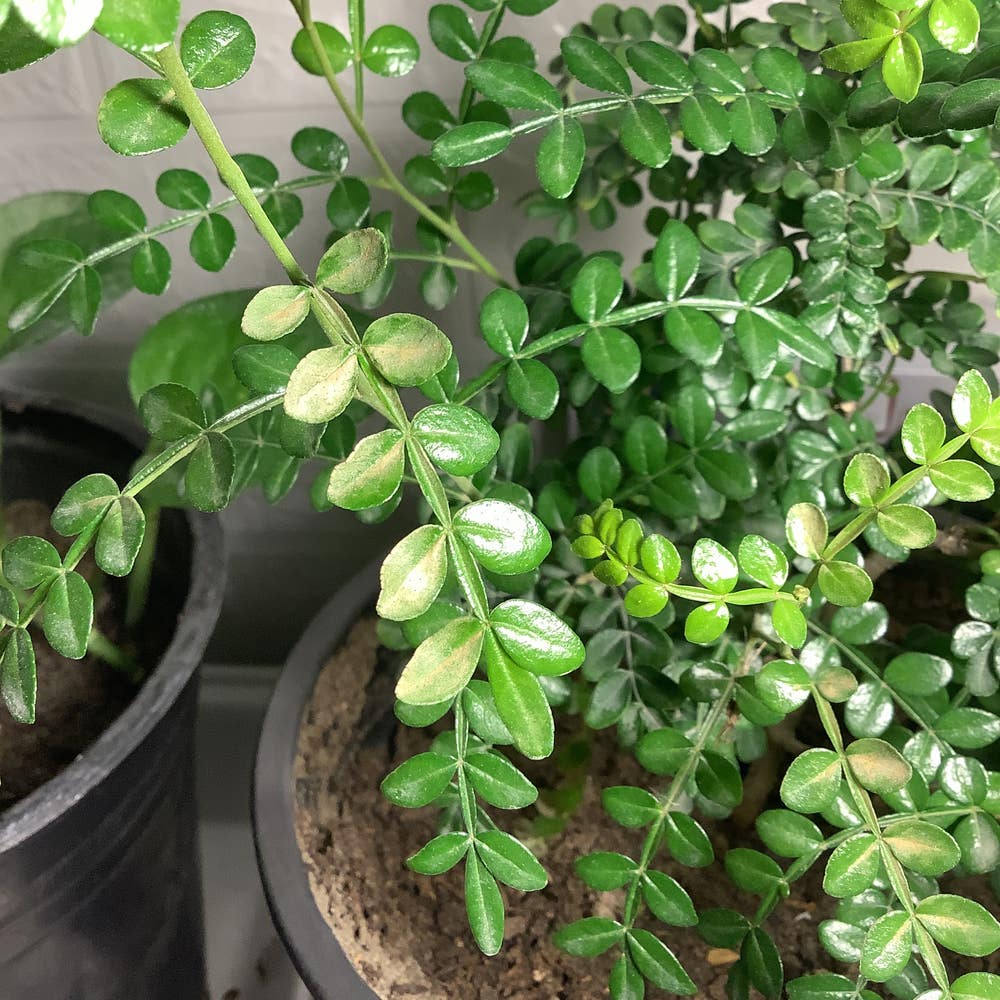
☀️ Ultimate Guide to Temperature for Green Prickly Ash
Zanthoxylum piperitum
By the Greg Editorial Team
Oct 17, 2024•4 min read
This article was created with the help of AI so we can cover more plants for you. May contain errors. See one? Report it here.
- ❄️🌡️ Cold stress causes leaf discoloration and stunted growth in Green Prickly Ash.
- ☀️🔥 Heat stress leads to wilting and leaf drop; monitor conditions closely.
- 🌱💧 Optimal soil temperature for root health is between 15°C to 25°C.
Temperature Stress Symptoms
❄️ Signs of Cold Stress
Cold stress can manifest in several noticeable ways. One of the first signs is leaf discoloration, where leaves may turn yellow or brown, indicating distress.
Another common symptom is wilting, where leaves and stems droop, losing their firmness. This can be particularly alarming, as it often signals that the plant is struggling to maintain hydration.
Frost damage is another critical indicator, characterized by blackened tips and edges of leaves. This damage can severely impact the plant's overall health.
Lastly, cold stress can lead to stunted growth and reduced vigor. If you notice your Green Prickly Ash isn't thriving, it may be time to assess the temperature conditions.
🔥 Signs of Heat Stress
Heat stress presents its own set of challenges. One of the most visible signs is leaf scorch, where the edges of leaves turn brown and crispy, a clear cry for help from the plant.
Wilting can also occur in hot conditions, as leaves droop due to a lack of moisture. This is often compounded by premature leaf drop, where the plant sheds leaves to conserve energy and water.
Additionally, heat stress can result in reduced growth, with slower growth rates and smaller leaf sizes. If your plant seems to be lagging, it might be feeling the heat.
🌱 Recovery from Temperature Stress
Recovering from temperature stress requires immediate and long-term strategies. Start with immediate actions like watering to alleviate heat stress and shielding the plant from cold drafts.
For long-term recovery, gradual acclimatization to temperature changes is essential. This helps the plant adjust without further shock.
Finally, keep a close eye on temperature fluctuations. Monitoring these changes allows for timely interventions, ensuring your Green Prickly Ash remains healthy and vibrant.
As you navigate these symptoms and recovery strategies, understanding the underlying causes of temperature stress will be crucial for effective management.
Causes of Temperature Stress
🌡️ Environmental Factors
Temperature stress can arise from various environmental factors. Sudden temperature drops, especially late frosts in spring, can catch Green Prickly Ash off guard.
Heat waves also pose a significant threat, as prolonged high temperatures can lead to severe stress. Additionally, wind exposure increases evaporation, further cooling the plant and exacerbating stress levels.
🌍 Soil Temperature Impact
Soil temperature plays a crucial role in the health of Green Prickly Ash. Ideally, soil temperatures should range between 15°C to 25°C to promote robust root health.
Extreme soil temperatures can hinder nutrient uptake and even damage roots. Therefore, insulating the soil during temperature extremes is vital for maintaining plant health.
🌤️ Effects of Microclimates
Microclimates refer to small areas where temperatures can vary significantly. For Green Prickly Ash, locations near buildings or water bodies may experience unique temperature effects that can influence growth.
Identifying and managing these microclimates is essential for optimal plant health. By understanding these variations, you can create a more favorable environment for your Green Prickly Ash.
With a solid grasp of the causes of temperature stress, you can better prepare your plants for the challenges ahead. Next, let’s explore effective temperature management strategies to safeguard your Green Prickly Ash.
Temperature Management Strategies
🧊 Protective Measures for Cold Weather
Cold weather can be tough on Green Prickly Ash. One effective method is mulching, which insulates the soil, helping to retain warmth and protect roots from freezing temperatures.
Another strategy is covering plants with frost cloths or blankets during extreme cold. This simple action can create a protective barrier against harsh conditions.
Lastly, consider plant placement. Positioning your plants in sheltered areas can significantly minimize frost exposure, giving them a better chance to thrive.
🔥 Strategies for Heat Management
Heat stress can be just as damaging as cold stress. Implementing effective watering techniques is crucial; deep watering encourages robust root growth and helps retain moisture in the soil.
Providing shade is another essential strategy. Using shade cloths or planting near taller plants can protect your Green Prickly Ash from the harsh sun.
Don’t forget to monitor soil moisture. Keeping consistent moisture levels during hot spells is vital for maintaining plant health and preventing wilting.
🌱 Use of Mulching and Ground Cover
Mulching offers numerous benefits, including temperature regulation and moisture retention. It acts as a buffer, protecting roots from extreme temperatures.
When choosing mulch, consider the types available. Organic options, like wood chips, enrich the soil, while inorganic choices, such as gravel, provide long-lasting coverage.
In addition, selecting ground cover plants can help moderate soil temperature. Low-growing plants can create a natural barrier, further protecting your Green Prickly Ash from temperature extremes.
By implementing these temperature management strategies, you can ensure your Green Prickly Ash remains healthy and vibrant, regardless of the weather challenges it faces. Next, let’s explore the causes of temperature stress and how to identify them effectively.
⚠️ Safety First
This content is for general information and may contain errors, omissions, or outdated details. It is not medical, veterinary advice, or an endorsement of therapeutic claims.
Always consult a qualified healthcare professional before using any plant as food, medicine, or supplement.
Never eat any plant (or feed one to pets) without confirming its identity with at least two trusted sources.
If you suspect poisoning, call Poison Control (800) 222-1222, the Pet Poison Helpline (800) 213-6680, or your local emergency service immediately.
Spotted an error? Please report it here.
Keep your Green Prickly Ash thriving 🌱 through temperature challenges with Greg's tailored care tips and reminders that ensure your plant stays vibrant and healthy!