🐟 Salmon Rose: An Invasive Plant
Rosa spp.
By the Greg Editorial Team
Nov 23, 2024•7 min read
This article was created with the help of AI so we can cover more plants for you. May contain errors. See one? Report it here.
- 🌱 Salmon Rose is invasive, rapidly spreading and harming local ecosystems.
- 🌼 Identify Salmon Rose by its thorny stems and pink flowers for effective management.
- ⚠️ Control methods include manual removal, herbicides, and monitoring to prevent spread.
Plant Classification
Definition of Invasive Species and Weeds 🌱
Invasive species are non-native organisms that spread rapidly and cause significant harm to ecosystems. Weeds, on the other hand, are plants deemed undesirable in specific settings, often competing aggressively with cultivated plants for resources.
Criteria for Classification as a Weed or Invasive Plant 📋
To be classified as a weed or invasive plant, certain criteria must be met. These include rapid spread, which allows the plant to quickly colonize new areas, and a competitive nature that enables it to outcompete native species for essential resources like light, water, and nutrients.
Salmon Rose's Classification Status 🌹
Salmon Rose is classified as an invasive plant due to its aggressive growth habits and ability to thrive in disturbed environments. Various environmental agencies recognize it as a species of concern, highlighting the need for awareness and management strategies.
Understanding these classifications is crucial for effective management and control of invasive species like Salmon Rose. By recognizing its status, we can take proactive steps to protect native ecosystems from its detrimental effects.
Identification
Key Identifying Features 🌹
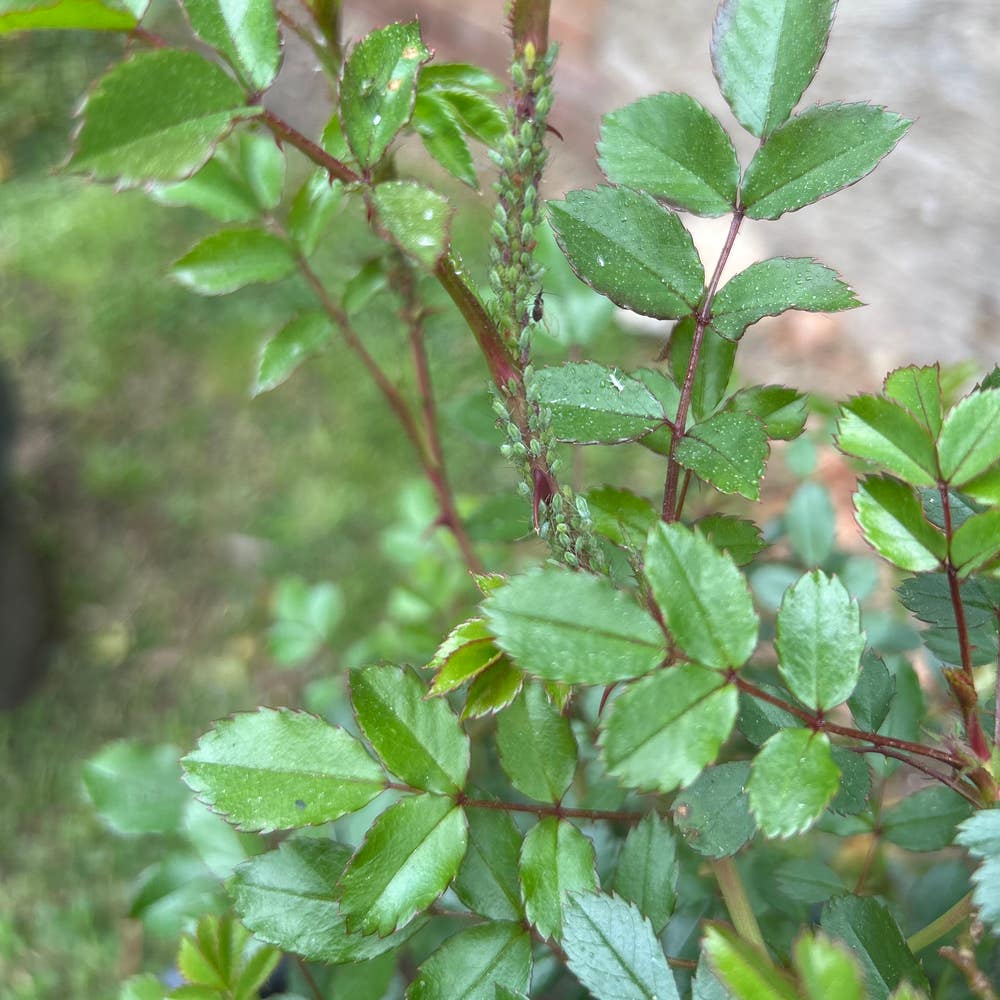
Salmon Rose is easily recognizable due to its thorny stems, which are lined with sharp thorns that can deter even the most curious gardener. The plant showcases distinctive pink to salmon-colored flowers that bloom from late spring to early summer, creating a vibrant display that can catch anyone's eye.
The leaves of the Salmon Rose are another telltale sign. They are compound with serrated edges and arranged alternately on the stems, adding to the plant's bushy appearance.
Comparison with Look-Alike Plants 👀
When comparing Salmon Rose to native rose species, the flower color may seem similar at first glance. However, native roses typically lack the aggressive growth habits and dense thorn coverage that characterize Salmon Rose.
To effectively identify Salmon Rose, focus on its thorn density and overall growth habit. If you encounter a rose with a bushy form and an abundance of thorns, it's likely you're looking at this invasive species rather than a native counterpart.
With these identification tips in hand, you can better understand the presence of Salmon Rose in your area and take appropriate action if needed.
Growth Habits and Spread
Typical Growth Patterns 🌱
Salmon Rose can reach impressive heights of up to 6 feet. Its bushy, dense growth allows it to form thickets that can quickly dominate an area.
Reproductive Strategies and Methods of Spread 🌬️
This invasive plant is a prolific seed producer, generating large quantities of seeds that can remain viable for several years. The seeds are dispersed by wind, water, and animals, which significantly contributes to its rapid spread.
Environmental Conditions that Favor Its Growth ☀️
Salmon Rose thrives in disturbed areas such as roadsides and wetlands. It prefers full sun to partial shade and well-drained soils, making it particularly adaptable to various environments.
Understanding these growth habits and spread mechanisms is crucial for effective management and control of Salmon Rose. By recognizing its patterns, we can better strategize on how to mitigate its impact on local ecosystems.
Ecological Impact
Effects on Native Plant Communities 🌱
Salmon Rose aggressively outcompetes native vegetation, leading to a significant reduction in biodiversity. This invasive plant alters habitat structure and composition, disrupting the delicate balance of local ecosystems.
Impact on Wildlife and Biodiversity 🦋
The presence of Salmon Rose displaces native species that are crucial for providing food and habitat for local wildlife. As a result, there is a potential decline in populations of native pollinators and other fauna, which can have cascading effects throughout the ecosystem.
Understanding these impacts is essential for recognizing the broader implications of invasive species like Salmon Rose. By addressing these issues, we can work towards preserving our native ecosystems and the wildlife that depends on them.
Control and Management
👐 Manual Removal Techniques and Best Practices
Removing Salmon Rose by hand can be effective if done correctly.
- Timing: The best time to tackle this invasive plant is during its early growth stages.
- Tools: Equip yourself with gloves, pruners, and shovels to minimize injury while working.
- Method: Ensure you dig out the entire root system to prevent any chance of regrowth.
🧪 Chemical Control Options
When manual removal isn't feasible, chemical control can be a viable alternative.
- Herbicides: Both selective and non-selective herbicides are available for use against Salmon Rose.
- Application Timing: Apply these chemicals during the plant's active growth phase for maximum effectiveness.
🦠 Biological Control Methods and Their Effectiveness
Exploring biological control methods can offer a more sustainable approach.
- Natural Predators: Introducing natural predators or pathogens may help manage Salmon Rose populations.
- Research: Ongoing studies are crucial to assess the effectiveness and potential risks associated with these biological controls.
🚫 Preventive Measures to Limit the Spread
Prevention is key in managing invasive species like Salmon Rose.
- Regular Monitoring: Keep an eye on areas where Salmon Rose may appear for early detection.
- Buffer Zones: Implement buffer zones around sensitive ecosystems to limit the plant's spread.
⏱️ Importance of Early Detection and Rapid Response
Acting quickly upon identification can make a significant difference.
Immediate action is essential to prevent Salmon Rose from establishing and spreading further. By being proactive, you can help protect local ecosystems from this invasive threat.
As we move forward, understanding the legal status of Salmon Rose will provide further context on managing this invasive plant effectively.
Legal Status
Overview of Laws and Regulations 🌍
Managing invasive species like Salmon Rose is taken seriously at both federal and state levels. Regulations exist to control their spread and protect native ecosystems, with specific guidelines for reporting and managing this aggressive plant.
Requirements for Removal or Control in Specific Regions 🏡
Local ordinances often require landowners to take action against invasive species. Compliance is crucial, as failure to manage Salmon Rose can lead to fines or other penalties, emphasizing the responsibility of property managers and homeowners.
Implications for Gardeners and Land Managers 🌱
For gardeners and land managers, understanding the legal landscape is vital. Best practices include regular monitoring, immediate reporting of sightings, and implementing control measures to prevent the introduction and spread of Salmon Rose in their areas.
By staying informed and proactive, individuals can contribute to the preservation of local ecosystems and ensure compliance with regulations. This not only protects native flora and fauna but also fosters a healthier environment for future generations.
As we move forward, let’s explore the potential benefits or uses of Salmon Rose, despite its invasive nature.
Potential Benefits or Uses
📜 Historical Uses
Salmon Rose has a rich history of traditional uses, particularly in herbal medicine. In some cultures, its parts were utilized for various remedies, showcasing its cultural significance.
🌱 Current Beneficial Uses, If Any
Today, Salmon Rose finds limited applications, such as in erosion control or providing wildlife cover. However, these uses come with significant risks, as its invasive nature can overshadow any benefits.
⚖️ Discussion on How Benefits Do Not Outweigh Negative Impacts
While there may be some historical and current uses, the ecological and economic costs of Salmon Rose far outweigh its potential benefits. Its aggressive growth disrupts ecosystems, leading to a decline in native biodiversity, which is a critical concern for environmental health.
In conclusion, the drawbacks of this invasive plant highlight the importance of managing its spread effectively. Understanding its limited benefits can help inform better practices in land management and conservation efforts.
⚠️ Safety First
This content is for general information and may contain errors, omissions, or outdated details. It is not medical, veterinary advice, or an endorsement of therapeutic claims.
Always consult a qualified healthcare professional before using any plant as food, medicine, or supplement.
Never eat any plant (or feed one to pets) without confirming its identity with at least two trusted sources.
If you suspect poisoning, call Poison Control (800) 222-1222, the Pet Poison Helpline (800) 213-6680, or your local emergency service immediately.
Spotted an error? Please report it here.
Recognizing the invasive Salmon Rose 🌸 is vital for protecting local ecosystems, and with Greg's plant identification feature, you can swiftly identify and manage this aggressive species to help preserve biodiversity!