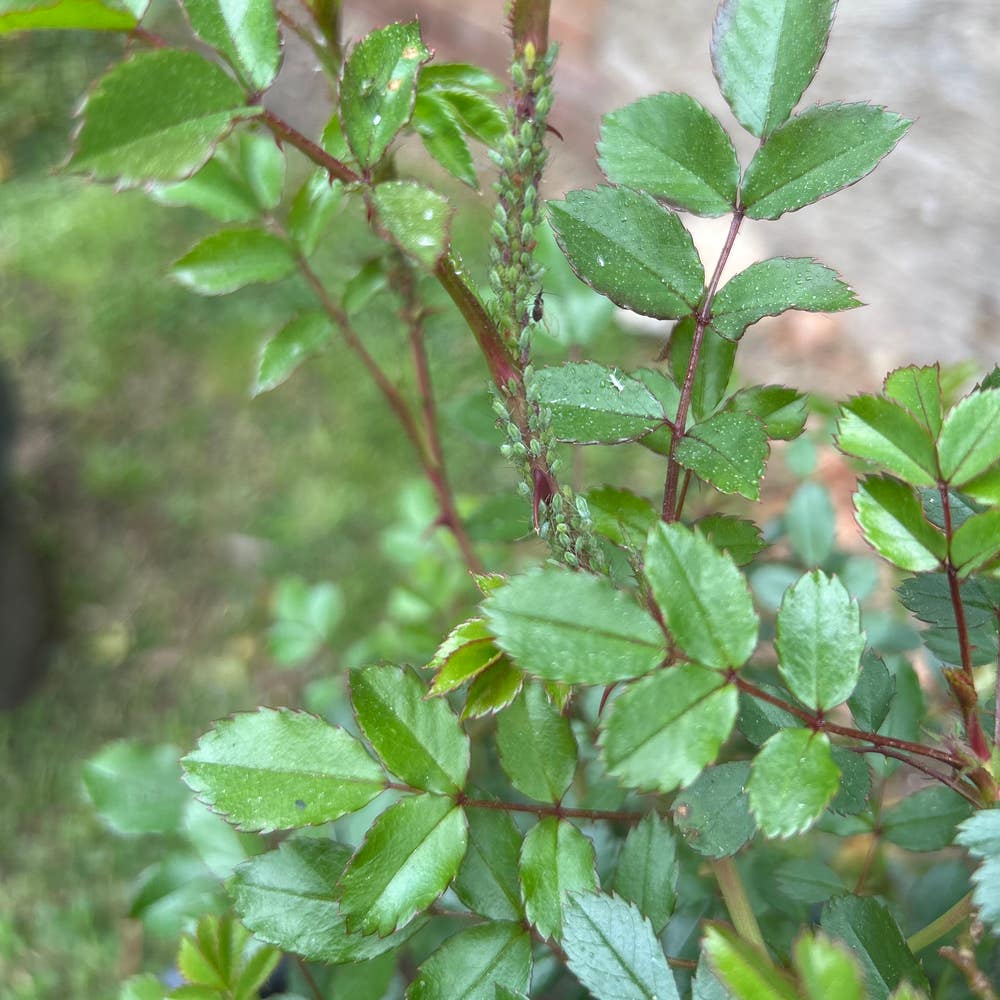
✂️ Controlling Salmon Rose Height and Width
Rosa spp.
By the Greg Editorial Team
Nov 23, 2024•5 min read
This article was created with the help of AI so we can cover more plants for you. May contain errors. See one? Report it here.
- 🌱 Salmon roses grow 3-6 feet tall; dwarf varieties stay under 3 feet for small spaces.
- ☀️ Full sun (6-8 hours) is crucial for optimal growth; shade stunts size.
- ✂️ Pruning in late winter controls height and encourages bushier growth for better aesthetics.
Mature Height and Width
Typical Dimensions 🌱
Salmon roses typically reach a mature height of 3 to 6 feet and a width of 3 to 5 feet. These dimensions make them versatile for various garden settings, providing a lush, vibrant presence.
Growth Rate and Time to Reach Full Size ⏳
These plants have a moderate to fast growth rate, depending on their growing conditions. Under optimal circumstances, you can expect them to reach their full size in approximately 3 to 5 years.
Size Variability Based on Growing Conditions 🌍
The size of salmon roses can vary significantly based on their growing conditions.
Influence of Soil Quality
Well-draining sandy soils are ideal, promoting vigorous growth and robust plants. Conversely, poor soil can still support them, but it may limit their overall size.
Impact of Sunlight Exposure
Full sun exposure, ideally 6 to 8 hours daily, enhances their growth potential. In contrast, shaded areas can lead to reduced growth and smaller dimensions.
Environmental Stressors
Environmental factors like drought or poor soil can also affect size variability. These stressors may stunt growth, leading to smaller plants than expected.
Understanding these factors can help you cultivate salmon roses that thrive and reach their full potential. Next, we will explore the various factors that affect their size in more detail.
Factors Affecting Size
🌱 Soil Type and Quality
Salmon roses thrive best in sandy soils that offer excellent drainage. While they prefer this type of soil, they can also adapt to poorer conditions, though this may limit their overall size.
☀️ Sunlight Exposure and Its Impact on Growth
For optimal growth, salmon roses need full sun, ideally receiving 6 to 8 hours of sunlight daily. In shaded areas, their growth diminishes, resulting in smaller plants with reduced dimensions.
💧 Watering Practices and Their Influence on Size
Regular watering during dry spells is crucial for promoting larger growth in salmon roses. Although they are drought-tolerant and can survive with minimal water, insufficient moisture can stunt their development.
🌍 Climate Considerations and Regional Growth Differences
These plants are hardy and can tolerate coastal climates, including exposure to salt spray. However, regional climate variations can lead to differences in size, with local conditions playing a significant role in their growth potential.
Understanding these factors can help you create the ideal environment for your salmon roses, ensuring they reach their full potential. Next, we will explore the differences between various salmon rose varieties and how they can fit into your garden design.
Differences Between Varieties
🌱 Dwarf Varieties
Dwarf salmon roses are a delightful choice for those with limited space. Typically, they remain under 3 feet in height, making them perfect for smaller gardens or container planting.
These compact varieties offer vibrant blooms without overwhelming your garden. Their manageable size allows for creative arrangements, adding charm without the need for extensive maintenance.
🌳 Giant Varieties
On the other end of the spectrum, giant salmon roses can exceed 6 feet in height. These impressive plants serve as stunning focal points in larger landscapes, creating a dramatic impact.
Ideal for spacious gardens, their towering presence can transform any outdoor area into a breathtaking display. Whether used as a standalone feature or in a mixed border, giant varieties bring a bold statement to your garden design.
Understanding the differences between these varieties allows you to choose the right fit for your space. Next, let’s explore how to control the size of your salmon roses effectively.
Controlling Size
🌿 Pruning Techniques for Size Control
Pruning is essential for controlling the size of your Salmon Rose. It not only helps maintain desired dimensions but also encourages bushier growth, making your plants more visually appealing.
⏰ Timing and Methods for Effective Pruning
- Best time to prune: Late winter to early spring is ideal, just before new growth begins. This timing ensures that your plants can recover quickly and thrive.
- Techniques:
- Thinning cuts can effectively reduce height, allowing for a more compact shape.
- Shearing is another method that helps maintain width, keeping your plants looking tidy and well-groomed.
🌱 Other Methods to Manage Growth
Container planting is a fantastic way to limit root growth and overall size. By restricting the space available for roots, you can effectively control how large your Salmon Rose grows.
Additionally, using physical barriers can help restrict spread in garden beds. This method is particularly useful if you want to keep your plants contained and prevent them from overtaking your garden space.
With these techniques, you can enjoy the beauty of your Salmon Rose while keeping its size manageable. Next, let’s explore the landscape considerations for planting these stunning flowers.
Landscape Considerations
Ideal Spacing for Desired Size in Landscape Design 🌱
To achieve optimal growth and air circulation, space your salmon roses 3 to 5 feet apart. This distance allows each plant to thrive without competing for resources, ensuring they reach their full potential.
Companion Planting and Its Effect on Growth 🌼
Companion planting can significantly enhance the growth of salmon roses. By strategically placing other plants nearby, you can create a microenvironment that promotes healthy growth and even helps control size through natural shading.
Use in Different Garden Styles Based on Size 🌳
Salmon roses are versatile and fit beautifully in various garden styles. They are perfect for coastal gardens, charming cottage gardens, and can even serve as effective hedges, adding structure and beauty to your landscape.
The adaptability of salmon roses in size and shape allows for creative landscape design. Whether you're aiming for a lush garden or a structured hedge, these plants can meet your vision while thriving in their environment.
⚠️ Safety First
This content is for general information and may contain errors, omissions, or outdated details. It is not medical, veterinary advice, or an endorsement of therapeutic claims.
Always consult a qualified healthcare professional before using any plant as food, medicine, or supplement.
Never eat any plant (or feed one to pets) without confirming its identity with at least two trusted sources.
If you suspect poisoning, call Poison Control (800) 222-1222, the Pet Poison Helpline (800) 213-6680, or your local emergency service immediately.
Spotted an error? Please report it here.
Cultivate stunning salmon roses 🌹 in your garden by using Greg's tailored watering reminders and expert care tips to help them thrive beautifully!