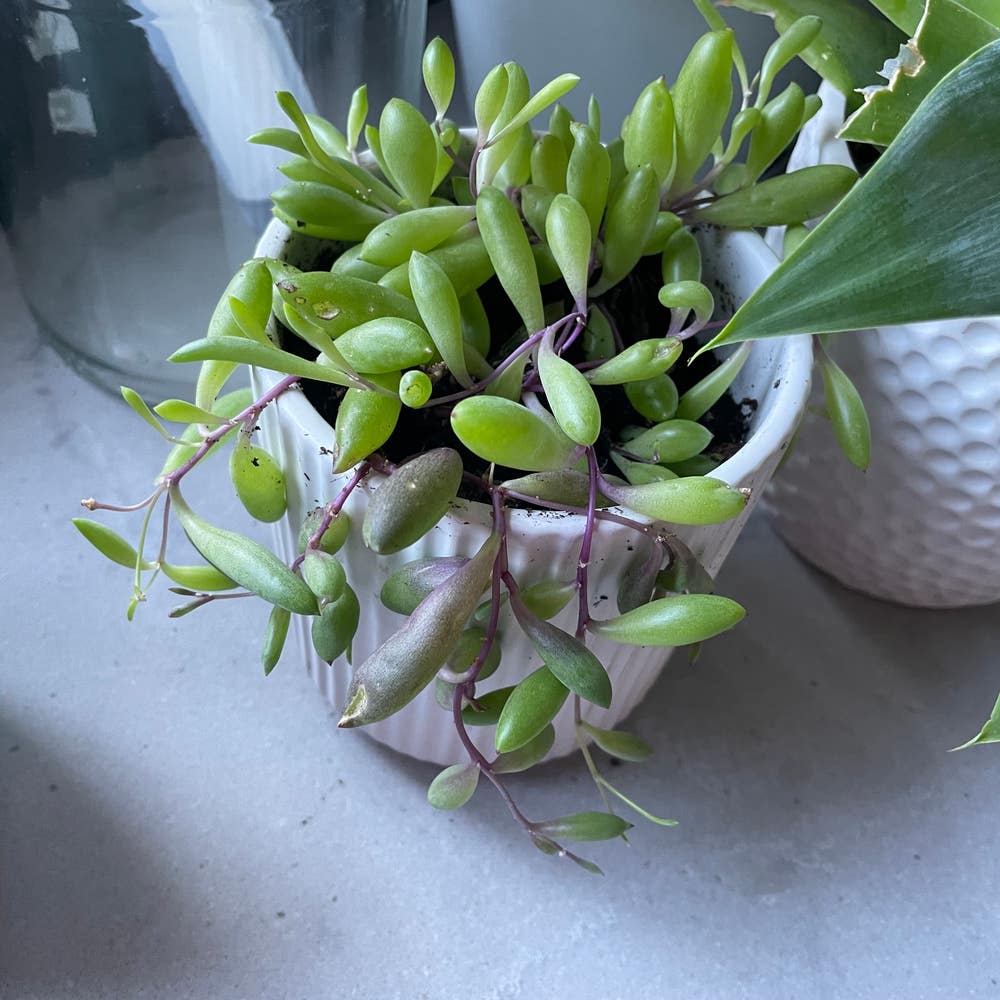
3 Facts About Ruby Necklace Pollination 🐝
Crassothonna capensis
By the Greg Editorial Team
Nov 07, 2024•6 min read
This article was created with the help of AI so we can cover more plants for you. May contain errors. See one? Report it here.
Unlock the secrets of Ruby Necklace flowers' pollination 🌼 to boost your garden's beauty and support vital ecosystems!
- 🌼 Ruby Necklace flowers attract pollinators with their bright yellow color and daisy-like structure.
- 🐝 Cross-pollination boosts genetic diversity, essential for plant resilience and seed production.
- 🌿 Creating a pollinator-friendly garden enhances Ruby Necklace growth and supports ecosystem health.
Flower Structure
Description of Characteristics 🌼
Ruby Necklace flowers are strikingly beautiful, featuring a daisy-like shape with a central disc surrounded by radiating petals. Their bright yellow color is not just for show; it plays a crucial role in attracting pollinators.
The flowers grow in clusters on elongated stems, making them highly visible to bees, butterflies, and hummingbirds. This arrangement maximizes their chances of being noticed by these essential pollinators.
Role in Pollination 🐝
The structure of Ruby Necklace flowers allows for self-pollination, where pollen can easily transfer within the same flower. However, cross-pollination is equally important, as it promotes genetic diversity and strengthens the plant population.
The vibrant color and strategic arrangement of the flowers entice various pollinator species, ensuring that pollen is effectively exchanged between plants. This interaction is vital for the health and resilience of the Ruby Necklace species.
As we delve deeper into the pollination process, we’ll explore how these flowers engage with their pollinators and the mechanisms that facilitate successful reproduction.
Pollination Process
🌼 Self-Pollination Mechanism
Ruby Necklace flowers have a unique ability to self-pollinate, which means they can produce seeds without needing pollen from another flower. However, while self-pollination is possible, cross-pollination is more advantageous as it promotes genetic diversity, leading to stronger plants.
The self-pollination mechanism is straightforward: pollen from the anthers can easily fall onto the stigma of the same flower. This efficient process ensures that even in the absence of pollinators, the plant can still reproduce.
🐝 Primary Pollinators
The vibrant yellow flowers of the Ruby Necklace attract a variety of pollinators, including bees, butterflies, and hummingbirds. These creatures are drawn to the flowers not just for their color but also for the sweet nectar they produce.
As pollinators collect nectar, they inadvertently transfer pollen from one flower to another. This interaction is crucial for cross-pollination, enhancing the genetic diversity of the plant population.
🌈 Attraction Mechanisms
Nectar production plays a vital role in attracting pollinators. The sweet nectar serves as a delicious food source, encouraging pollinators to visit the flowers repeatedly.
In addition to nectar, the bright yellow color and the arrangement of the flowers enhance their visibility. This visual appeal makes it easier for pollinators to locate the flowers, ensuring effective pollination.
The Ruby Necklace's pollination process is a beautiful dance of nature, where flowers and pollinators work together to sustain life. Understanding these mechanisms not only deepens our appreciation for these plants but also highlights the importance of protecting their pollinators.
As we explore the next section on natural pollination, we'll delve into how these processes contribute to the overall health and reproduction of the Ruby Necklace.
Natural Pollination
🌬️ Pollen Transfer Mechanisms
Natural pollination is a fascinating process where wind and insect activity play crucial roles. These elements facilitate the transfer of pollen from the anthers to the stigmas of Ruby Necklace flowers, ensuring successful reproduction.
Successful pollination is vital as it leads to seed production, which contributes to genetic diversity. This diversity is essential for the plant's adaptability and survival in changing environments.
🌱 Importance for Reproduction
Pollination significantly enhances the Ruby Necklace's ability to produce viable seeds. Without effective pollination, the chances of seed development diminish, threatening the plant's lifecycle.
Moreover, genetic diversity is crucial for resilience against pests and diseases. A diverse gene pool allows plants to adapt and thrive, ensuring their longevity in various ecosystems.
As we explore the intricacies of pollination, it becomes clear that fostering a healthy environment for Ruby Necklace not only benefits the plant but also supports the broader ecosystem. Next, we will delve into the methods of hand pollination, providing practical steps for those looking to assist in this vital process.
Hand Pollination
Hand pollination can be a rewarding way to ensure the successful reproduction of Ruby Necklace plants. This method is particularly useful when natural pollinators are scarce or when you want to control the genetic diversity of your plants.
📝 Step-by-Step Instructions
Identify Male and Female Flower Parts:
Start by locating the male parts, known as anthers, which produce pollen. The female part, called the stigma, is where the pollen needs to be transferred.Collecting Pollen:
Use a small brush or a cotton swab to gently gather pollen from the anthers. This step requires a delicate touch to avoid damaging the flower.Transferring Pollen:
Carefully apply the collected pollen to the stigma of the same flower or another flower. This transfer is crucial for fertilization and seed production.Timing:
For the best results, perform hand pollination in the morning when flowers are fully open. This is when they are most receptive to pollen.
Hand pollination not only enhances the chances of successful fertilization but also allows you to engage more intimately with your plants. By taking this hands-on approach, you can help ensure that your Ruby Necklace thrives and produces vibrant seeds.
As you explore this method, consider the broader implications of supporting pollinators in your garden. Transitioning to the next section, let’s discuss how to create a pollinator-friendly environment that benefits both your plants and the ecosystem.
Supporting Pollinators
🌼 Creating a Pollinator-Friendly Environment
Creating a welcoming habitat for pollinators is essential for the health of your garden. Start by planting a diverse array of flowering species to ensure food sources are available throughout the growing season.
Avoid using pesticides that can harm beneficial insects. Instead, opt for natural pest control methods to protect your pollinator friends while keeping your plants thriving.
🌿 Suggested Companion Plants
Certain plants can enhance your garden's appeal to pollinators. Consider adding:
- Marigolds: These vibrant flowers attract bees and other pollinators, making them a perfect addition to your garden.
- Lavender: Known for its lovely scent, lavender provides nectar for butterflies and bees alike, creating a buzzing atmosphere.
- Echinacea: Also known as coneflower, this hardy plant offers food for a variety of pollinator species, ensuring a rich ecosystem.
By incorporating these companion plants, you can create a flourishing environment that supports pollinators and enhances the beauty of your garden.
As you nurture these plants, remember that a thriving pollinator population is vital for the overall health of your garden and the surrounding ecosystem. Let's explore the challenges pollinators face next.
Pollination Challenges
Common Obstacles 🌪️
Pollination can be hindered by various environmental factors. Temperature fluctuations and humidity levels play a significant role in determining the success of pollination for Ruby Necklace plants.
Urbanization and habitat loss are also critical issues. These changes can lead to a lack of pollinators, which are essential for effective cross-pollination and genetic diversity.
Solutions 🌼
To combat these challenges, consider planting a diverse range of flowering species. This approach not only attracts pollinators but also ensures they have food sources throughout the growing season.
Additionally, monitoring environmental conditions is crucial. Adjusting care practices, such as watering and shading, can create optimal growing conditions for Ruby Necklace, enhancing its chances of successful pollination.
By addressing these challenges, you can help support the pollination process and contribute to the overall health of your Ruby Necklace plants. This proactive approach fosters a thriving ecosystem, ensuring that these beautiful flowers continue to flourish.
⚠️ Safety First
This content is for general information and may contain errors, omissions, or outdated details. It is not medical, veterinary advice, or an endorsement of therapeutic claims.
Always consult a qualified healthcare professional before using any plant as food, medicine, or supplement.
Never eat any plant (or feed one to pets) without confirming its identity with at least two trusted sources.
If you suspect poisoning, call Poison Control (800) 222-1222, the Pet Poison Helpline (800) 213-6680, or your local emergency service immediately.
Spotted an error? Please report it here.
Boost your Ruby Necklace's pollination success 🌼 with Greg's tailored tips for creating a pollinator-friendly garden that attracts bees and butterflies!