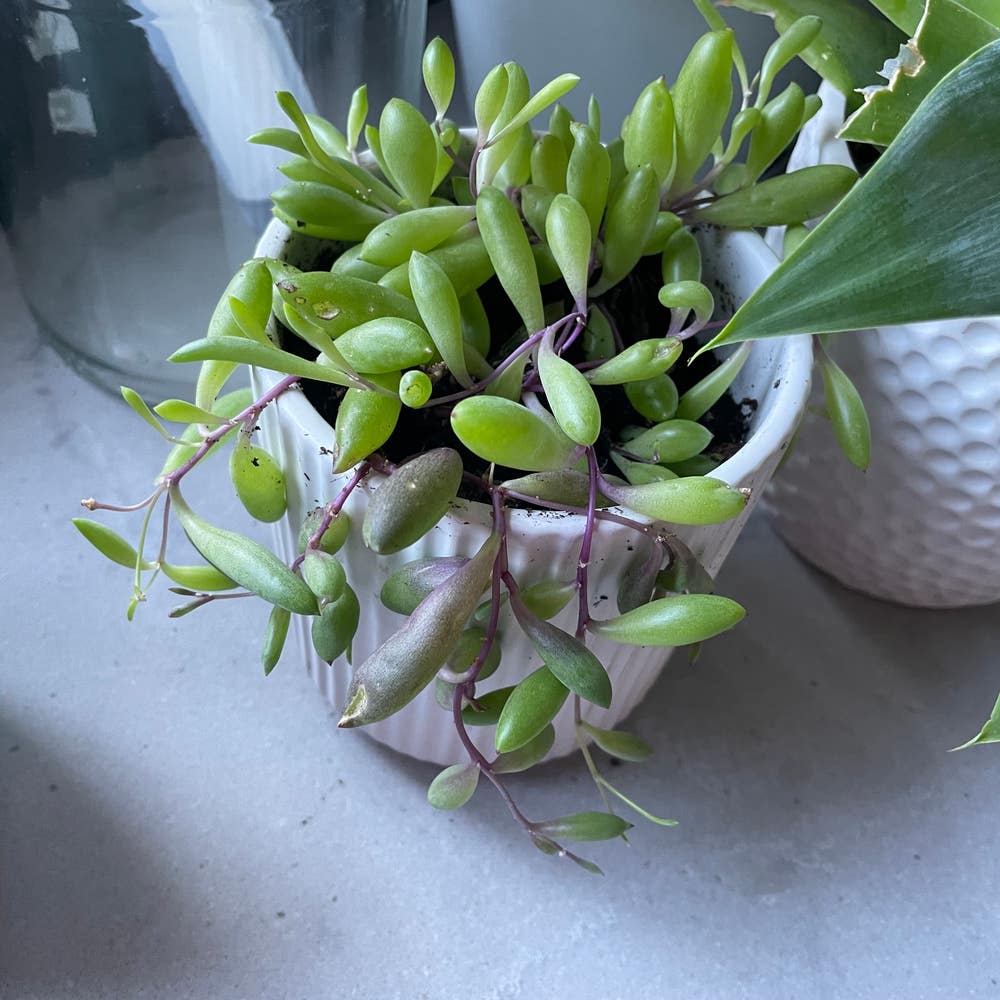
9 Tips for How to Plant Ruby Necklace
Crassothonna capensis
By the Greg Editorial Team
Nov 07, 2024•5 min read
This article was created with the help of AI so we can cover more plants for you. May contain errors. See one? Report it here.
Master the art of planting and transplanting Ruby Necklace plants for a thriving garden! 🌱
- 🌱 Plant Ruby Necklace in spring for best growth and acclimation.
- 🌞 Use well-draining soil and space plants 12-18 inches apart for optimal health.
- 🚫 Monitor for transplant shock and adjust care to ensure thriving plants.
New Ruby Necklace vs. Transplanting Established Ruby Necklace
🌱 Benefits of Planting New Ruby Necklace
Planting a new Ruby Necklace is often a cost-effective choice. These young plants are generally less expensive than their established counterparts.
New Ruby Necklace plants also exhibit greater adaptability. They can acclimate more easily to local conditions, making them a resilient option for gardeners.
Additionally, planting new Ruby Necklace offers an opportunity for propagation. You can create multiple plants from cuttings, expanding your garden without breaking the bank.
⚠️ Drawbacks of Planting New Ruby Necklace
However, there are some drawbacks to consider. New plants take longer to mature, requiring patience as they establish themselves.
They also demand more initial care and attention. This extra effort is essential to ensure they thrive in their new environment.
🌼 Benefits of Transplanting Established Ruby Necklace
On the other hand, transplanting an established Ruby Necklace can provide immediate visual impact. Larger plants can enhance your garden's aesthetics right away.
Established plants come with well-developed root systems. This resilience helps them better withstand environmental stress, making them a reliable choice.
🚧 Drawbacks of Transplanting Established Ruby Necklace
Yet, transplanting established plants isn't without its challenges. There's a risk of transplant shock, which can negatively affect growth and overall health.
Additionally, the process can lead to potential root damage. Careful handling is crucial to minimize this risk and ensure a successful transplant.
In summary, both options have their unique advantages and challenges. Understanding these can help you make an informed decision that best suits your gardening goals.
Key Steps for Planting New Ruby Necklace
🌱 Optimal Timing for Planting
The best time to plant a new Ruby Necklace is during spring or early summer. This period offers mild temperatures that help the plant acclimate and thrive.
🪴 Selecting the Appropriate Soil Mix and Containers
For soil, choose a well-draining succulent mix or a blend of potting soil and perlite. Terracotta pots are ideal for breathability, while plastic pots with drainage holes can also work well.
📏 Proper Depth and Spacing for Planting
When planting, ensure the root ball is level with the soil surface. Maintain a spacing of 12-18 inches between plants to promote optimal growth and airflow.
☀️ Maintaining Ideal Growing Conditions
Watering is crucial; allow the soil to dry out between waterings to prevent root rot. Ruby Necklace plants thrive in bright, indirect sunlight for about 6-8 hours daily.
🌞 Hardening Off Ruby Necklace Before Outdoor Planting
Before moving your Ruby Necklace outdoors, gradually expose it to sunlight. Start with 1-2 hours of outdoor exposure, increasing the time daily over a week to help the plant adjust.
Monitor for signs of stress, such as wilting or discoloration, which may indicate too much sun exposure. By following these steps, you'll set your Ruby Necklace up for a successful growth journey.
Next, let’s explore the key steps for transplanting established Ruby Necklace plants.
Key Steps for Transplanting Established Ruby Necklace
🌱 Optimal Timing for Transplanting
The best time to transplant your Ruby Necklace is during spring or early fall. These cooler temperatures help reduce stress on the plant and allow it to acclimate more easily.
📝 Step-by-Step Instructions for Transplanting
- Prepare the new planting site: Ensure the soil is well-draining and the area receives adequate sunlight.
- Water the established plant: Moistening the soil beforehand helps minimize root damage during the move.
- Gently remove the plant: Use a spade to lift the plant, taking care to preserve as many roots as possible.
- Place the plant in the new site: Ensure the root ball is level with the soil surface for optimal growth.
- Fill in with soil: Gently pack soil around the roots to eliminate air pockets, which can hinder establishment.
🏡 Preparing the New Planting Site
Soil preparation is crucial for a successful transplant. Amend the soil with sand or perlite to improve drainage and create a healthy environment for your Ruby Necklace.
📏 Ensuring Proper Placement and Spacing
When transplanting, maintain a spacing of 12-18 inches between plants. This distance allows for proper airflow and growth, preventing overcrowding.
💧 Tips for Watering, Mulching, and Support
After transplanting, lightly water the area to settle the soil around the roots.
- Mulching: Apply a thin layer of gravel or mulch to retain moisture and suppress weeds.
- Support: If necessary, use stakes to support trailing stems during the establishment phase.
Transplanting can be a rewarding experience, allowing your Ruby Necklace to thrive in its new home. With the right timing and care, you'll set the stage for vibrant growth and beauty in your garden.
Troubleshooting Common Issues
Understanding Transplant Shock 🌱
Transplant shock can be a significant hurdle for your Ruby Necklace. Symptoms include wilting, yellowing leaves, and stunted growth, indicating that your plant is struggling to adjust.
To prevent transplant shock, focus on minimizing root disturbance during the move. Additionally, ensure proper watering to help your plant recover more quickly.
Addressing Establishment Problems 🏡
If your Ruby Necklace shows signs of establishment issues, such as slow growth, leaf drop, or discoloration, it’s time to take action. These symptoms often indicate that the plant is not thriving in its new environment.
Adjusting your watering schedule can make a big difference. Also, ensure your plant receives adequate light to promote healthy growth.
Solutions for Common Ruby Necklace Issues 🛠️
Overwatering is a common problem that can lead to mushy leaves and root rot. To combat this, allow the soil to dry out between waterings.
On the flip side, underwatering can cause shriveling leaves. If you notice this, increase your watering frequency to help your plant bounce back.
Pest management is crucial for maintaining a healthy Ruby Necklace. Regularly inspect your plants for pests like mealybugs or aphids, and treat them promptly to prevent infestations.
By staying vigilant and addressing these common issues, you can ensure your Ruby Necklace thrives in your garden. Now, let’s explore how to maintain ideal growing conditions for your plants.
⚠️ Safety First
This content is for general information and may contain errors, omissions, or outdated details. It is not medical, veterinary advice, or an endorsement of therapeutic claims.
Always consult a qualified healthcare professional before using any plant as food, medicine, or supplement.
Never eat any plant (or feed one to pets) without confirming its identity with at least two trusted sources.
If you suspect poisoning, call Poison Control (800) 222-1222, the Pet Poison Helpline (800) 213-6680, or your local emergency service immediately.
Spotted an error? Please report it here.
Transform your Ruby Necklace planting into a thriving success 🌿 with Greg's tailored care tips and watering reminders that ensure your plants flourish beautifully!