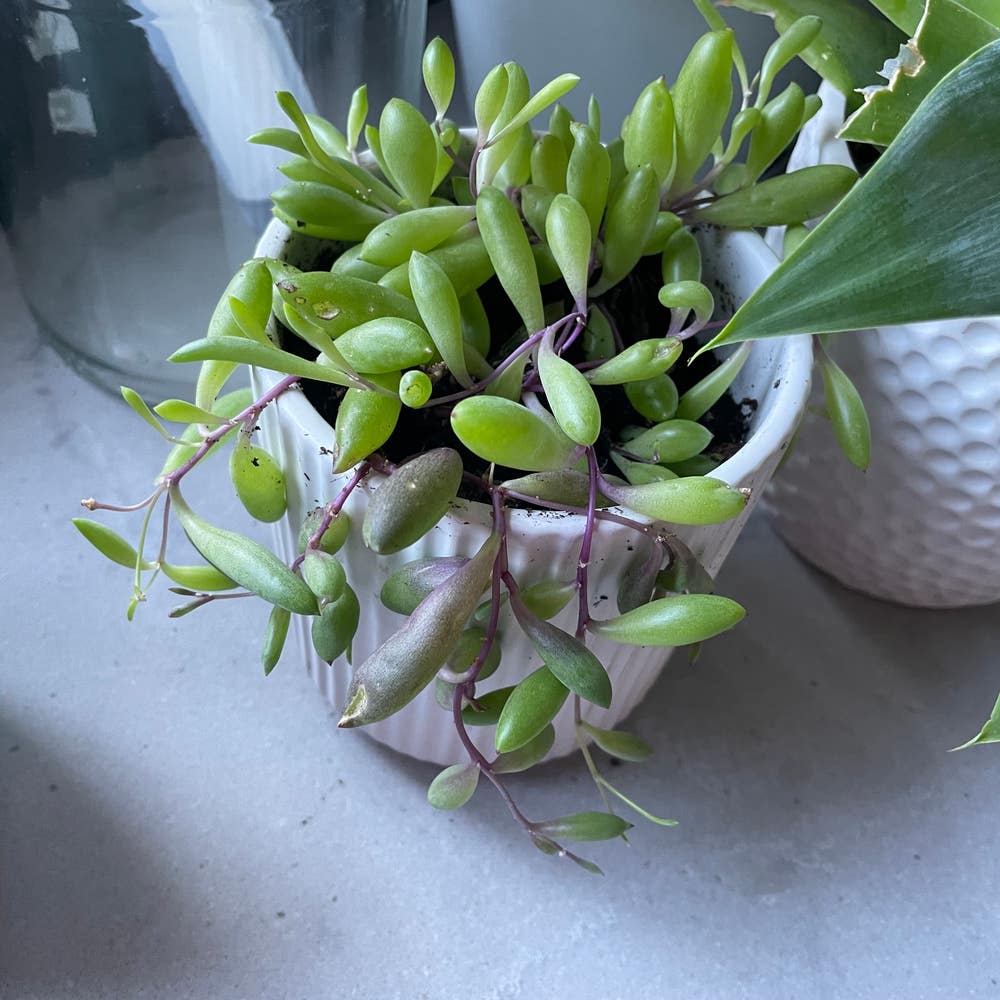
Ruby Necklace: A Perennial Plant 💎
Crassothonna capensis
By the Greg Editorial Team
Nov 07, 2024•5 min read
This article was created with the help of AI so we can cover more plants for you. May contain errors. See one? Report it here.
Transform your garden with resilient Ruby Necklace, a vibrant perennial that thrives year after year! 🌱
- 🌱 Ruby Necklace thrives for years, making it a cost-effective perennial choice for gardens.
- ☀️ Full sun to partial shade is ideal for vibrant growth and foliage color.
- 🌿 Healthy roots are crucial for seasonal regrowth; prioritize root care for longevity.
Characteristics of Ruby Necklace as a Perennial
🌱 Multi-Year Lifecycle
Ruby Necklace is a remarkable perennial, known for its ability to survive and thrive over multiple years. Each year, it regrows from the same root system, showcasing its resilience and adaptability.
🌿 Growth Patterns
This plant exhibits a trailing growth habit, which sets it apart from many other perennials. Unlike upright varieties, Ruby Necklace spreads out, creating a lush carpet of foliage that can enhance any garden.
The mechanism of regrowth is fascinating. Established roots play a crucial role in its revival each season, emphasizing the importance of maintaining healthy root systems. A robust root network not only supports growth but also helps the plant withstand environmental challenges.
In summary, Ruby Necklace's multi-year lifecycle and unique growth patterns make it a standout choice for gardeners. Its ability to regenerate from established roots ensures that it remains a vibrant part of your garden year after year.
Next, let’s explore the seasonal changes and dormancy patterns that further define this perennial's lifecycle.
Seasonal Changes and Dormancy
🌱 Description of Dormancy Periods
Ruby Necklace, like many perennials, experiences dormancy, a natural phase that allows it to conserve energy. This dormancy is triggered by environmental conditions such as temperature drops and reduced daylight, signaling the plant to slow down its growth.
During dormancy, you might notice the leaves of the Ruby Necklace wilting or turning yellow. This is a sign that the plant is conserving resources, preparing for the next growth cycle.
🍂 Seasonal Changes Throughout the Year
Understanding the growth cycle of Ruby Necklace throughout the seasons can enhance your gardening experience.
Spring
In spring, Ruby Necklace awakens from dormancy, showcasing vibrant growth. New leaves emerge, and the plant begins to spread, taking advantage of the increasing sunlight.
Summer
Summer is when Ruby Necklace truly thrives. The trailing vines flourish, creating a lush, green carpet that can add a stunning visual element to your garden.
Fall
As temperatures begin to cool in fall, the plant starts to prepare for dormancy. You may notice a gradual decline in growth, with leaves changing color and dropping.
Winter
During winter, Ruby Necklace enters its dormant phase. The plant conserves energy, relying on its established root system to survive until the warmth of spring returns.
By recognizing these seasonal changes, you can better care for your Ruby Necklace, ensuring it remains healthy and vibrant year after year. This knowledge sets the stage for understanding the advantages of its perennial nature, which we will explore next.
Advantages of Ruby Necklace's Perennial Nature
🌱 Benefits for Gardeners
Ruby Necklace is a gardener's dream due to its cost-effectiveness. Once established, it requires minimal replanting, saving both time and money.
Additionally, its robust root system enhances resilience against environmental stressors. This means less worry about droughts or unexpected weather changes, allowing you to enjoy your garden with peace of mind.
⏳ Expected Lifespan and Longevity Factors
Typically, Ruby Necklace can thrive for several years, making it a long-term investment in your garden. However, its longevity is influenced by several factors, including soil quality, climate, and care practices.
Healthy soil rich in nutrients supports vigorous growth, while the right climate ensures optimal conditions. Regular care, such as proper watering and occasional fertilization, can significantly extend its lifespan, allowing you to enjoy its beauty for years to come.
Incorporating Ruby Necklace into your garden not only enhances its aesthetic appeal but also simplifies maintenance. With its perennial nature, you can focus on enjoying your outdoor space rather than constant replanting.
As we explore the next section, we'll delve into the seasonal changes and dormancy of Ruby Necklace, shedding light on how it adapts throughout the year.
Variations Across Climate Zones
Differences in Perennial Behavior in Various Climates 🌍
Ruby Necklace thrives in diverse climates, but its performance can vary significantly across USDA hardiness zones. In warmer zones, it often exhibits vigorous growth, while in cooler areas, it may be more subdued, adapting its growth patterns to survive seasonal changes.
Understanding these variations helps gardeners select the right location for planting. For instance, in USDA zones 9 to 11, Ruby Necklace can flourish year-round, showcasing its vibrant foliage. Conversely, in zones 6 to 8, it may enter dormancy during colder months, requiring careful management to ensure healthy regrowth.
Factors Influencing Growth in Different Conditions 🌱
Several factors influence the growth of Ruby Necklace across different climates. Sunlight is crucial; this plant prefers full sun to partial shade, which affects its overall vigor and color.
Soil type also plays a significant role. Well-draining soil rich in organic matter promotes robust root development. Additionally, water availability is vital; while Ruby Necklace is drought-tolerant, consistent moisture during its growing season enhances its resilience and aesthetic appeal.
By considering these elements, gardeners can create optimal conditions for Ruby Necklace, ensuring it thrives regardless of the climate. This adaptability makes it a favorite among plant enthusiasts looking to add a touch of beauty to their gardens.
As we explore the advantages of Ruby Necklace's perennial nature, we’ll uncover how its resilience can benefit gardeners in various settings.
Maximizing Benefits in Garden Planning
🌱 Tips for Incorporating Ruby Necklace into Garden Designs
When planning your garden, consider placing Ruby Necklace in areas that receive partial to full sunlight. This perennial thrives in well-drained soil, making it perfect for rock gardens, hanging baskets, or as ground cover.
For a visually appealing arrangement, combine Ruby Necklace with other perennials that have contrasting colors and textures. This not only enhances aesthetics but also creates a vibrant ecosystem in your garden.
📈 Long-Term Cultivation Strategies
Regular monitoring is key to maintaining healthy Ruby Necklace plants. Check the root systems periodically to ensure they remain robust and free from rot.
Additionally, provide consistent care through proper watering and occasional fertilization. This attention will promote longevity and ensure your Ruby Necklace continues to flourish year after year.
By following these strategies, you can maximize the benefits of Ruby Necklace in your garden, creating a stunning and resilient landscape.
⚠️ Safety First
This content is for general information and may contain errors, omissions, or outdated details. It is not medical, veterinary advice, or an endorsement of therapeutic claims.
Always consult a qualified healthcare professional before using any plant as food, medicine, or supplement.
Never eat any plant (or feed one to pets) without confirming its identity with at least two trusted sources.
If you suspect poisoning, call Poison Control (800) 222-1222, the Pet Poison Helpline (800) 213-6680, or your local emergency service immediately.
Spotted an error? Please report it here.
Cultivate a vibrant Ruby Necklace 🌿 that thrives for years with Greg's personalized care tips, ensuring your plant's roots are healthy and ready for stunning seasonal growth!