Ruby Necklace Is Not an Annual 💎
Crassothonna capensis
By the Greg Editorial Team
Nov 07, 2024•2 min read
This article was created with the help of AI so we can cover more plants for you. May contain errors. See one? Report it here.
Discover the beauty and resilience of Ruby Necklace 🌱, a perennial that thrives and transforms your garden year after year!
- 🌱 Ruby Necklace is a perennial, thriving year after year, unlike annuals.
- 🌍 Native to South Africa, it adapts well to arid climates and drought conditions.
- 🌼 Spring brings yellow flowers, attracting pollinators and enhancing garden aesthetics.
Ruby Necklace as a Perennial
🌱 Genetic Characteristics
Othonna capensis, commonly known as Ruby Necklace, is classified as a succulent perennial. This classification highlights its ability to thrive year after year, making it a reliable choice for gardeners.
Native to South Africa, Ruby Necklace has adapted to survive in arid climates. Its genetic traits contribute to its resilience and longevity, allowing it to flourish in diverse conditions.
💧 Physiological Traits Supporting Perennial Classification
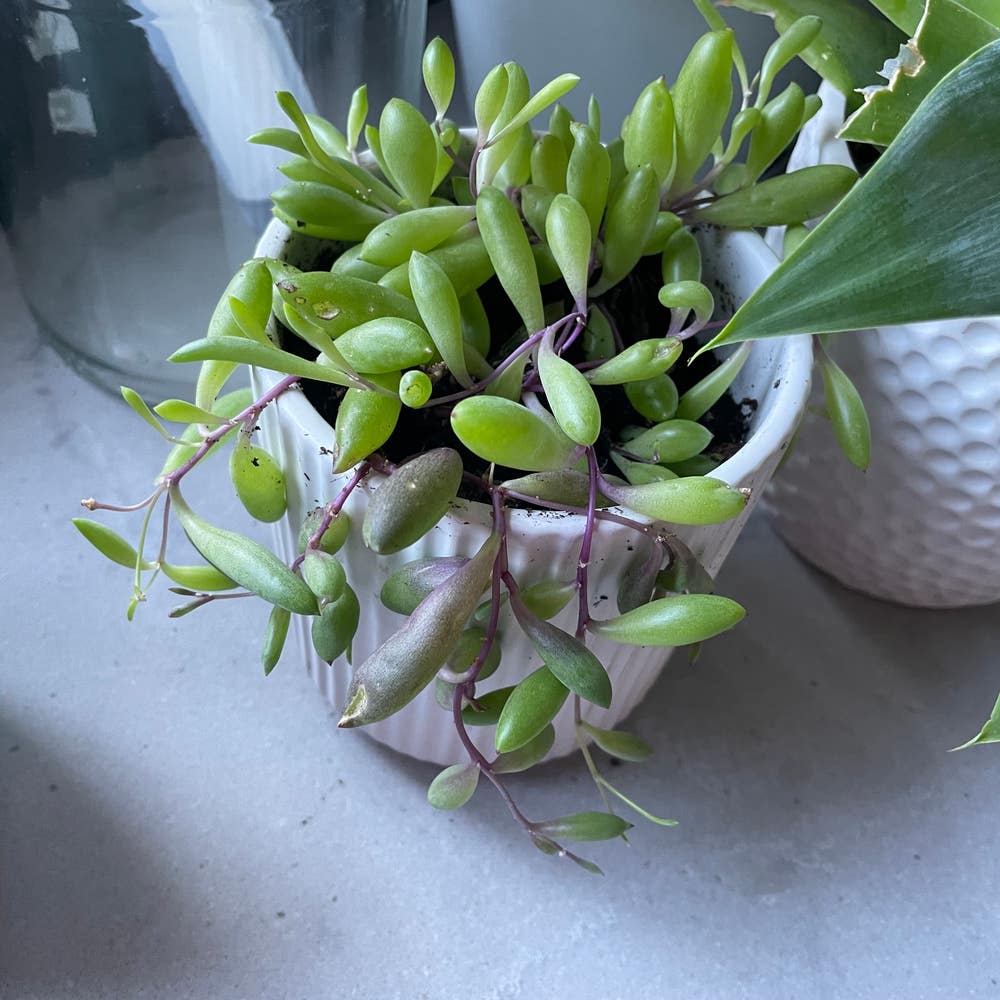
The leaf structure of Ruby Necklace features small, round leaves that efficiently store water. This adaptation is crucial for survival in dry environments.
Additionally, the plant exhibits trailing stems that spread and form dense mats. This growth habit not only enhances its aesthetic appeal but also helps it conserve moisture.
📈 Long-Term Lifecycle and Growth Patterns
Ruby Necklace can thrive for several years, showcasing its long lifespan. Its growth patterns include spreading and mat-forming tendencies, which create a lush ground cover.
Seasonally, the plant enters dormancy during colder months, conserving energy. As temperatures rise, it becomes active again, bringing vibrant life to gardens.
🌼 Reproductive Strategies
In spring, Ruby Necklace produces striking yellow daisy-like flowers. This timing aligns with its reproductive cycle, attracting pollinators and enhancing garden beauty.
The plant's seed production mechanisms differ from those of annuals, allowing it to establish itself over time. Its adaptations for drought resistance further ensure successful pollination and survival.
🌳 Garden Design Implications
Incorporating Ruby Necklace into your garden offers both aesthetic appeal and ecological benefits. Its vibrant colors and unique structure can enhance any landscape.
When planning for long-term growth, consider design strategies that highlight seasonal interest. This approach ensures your garden remains dynamic throughout the year.
For best results, follow management tips that support Ruby Necklace as a perennial. Regular care will keep it thriving and looking its best, making it a rewarding addition to your garden.
As we explore the next section, we'll delve into the physiological traits that further support Ruby Necklace's classification as a perennial.
⚠️ Safety First
This content is for general information and may contain errors, omissions, or outdated details. It is not medical, veterinary advice, or an endorsement of therapeutic claims.
Always consult a qualified healthcare professional before using any plant as food, medicine, or supplement.
Never eat any plant (or feed one to pets) without confirming its identity with at least two trusted sources.
If you suspect poisoning, call Poison Control (800) 222-1222, the Pet Poison Helpline (800) 213-6680, or your local emergency service immediately.
Spotted an error? Please report it here.
Transform your garden with the ever-thriving Ruby Necklace 🌿, and let Greg provide you with tailored care reminders to keep this stunning perennial flourishing for years to come!