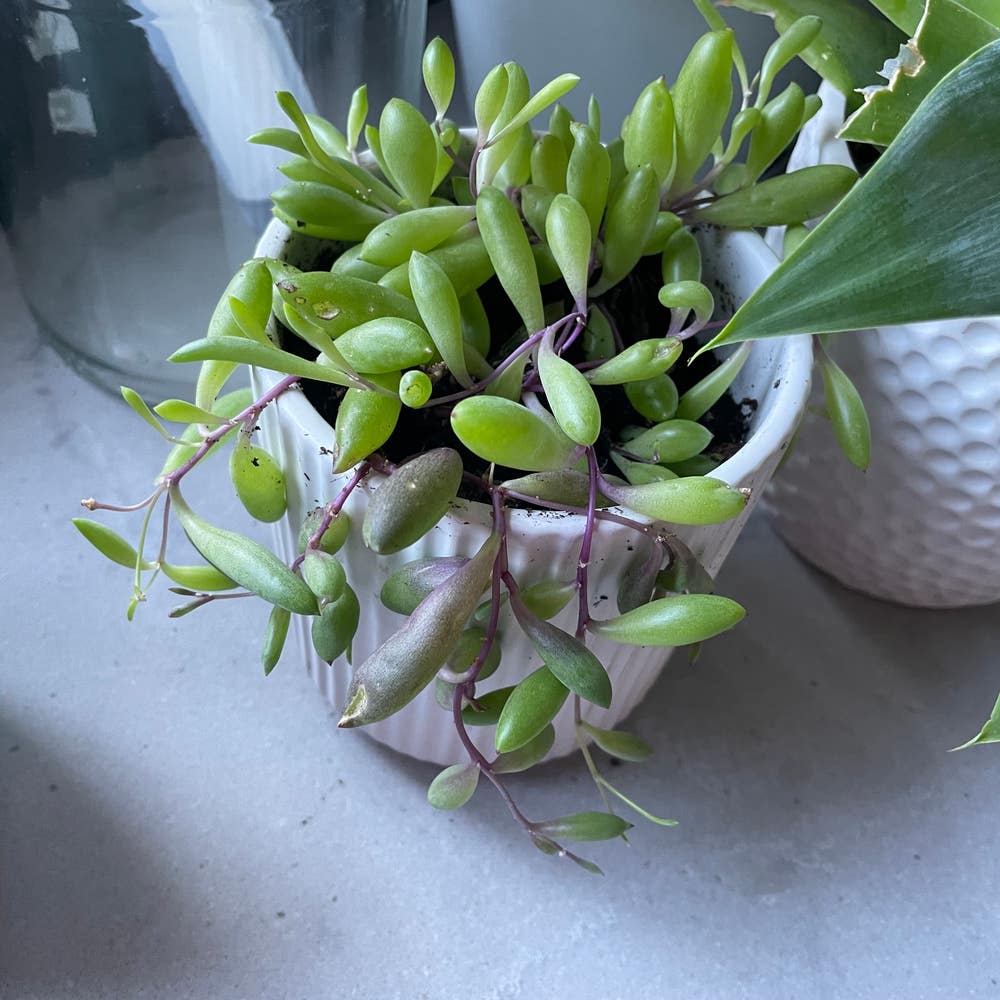
Ultimate Guide to Growing Ruby Necklace 💎
Crassothonna capensis
By the Greg Editorial Team
Nov 07, 2024•6 min read
This article was created with the help of AI so we can cover more plants for you. May contain errors. See one? Report it here.
Cultivate a stunning Ruby Necklace plant with these essential care tips for vibrant growth! 🌿
- ☀️ Ruby Necklace needs 6+ hours of sunlight for optimal growth and health.
- 🌡️ Ideal temperature range is 20°C to 30°C; protect from frost!
- 🌱 Well-draining soil is essential to prevent root rot and promote thriving plants.
Site Selection and Soil Preparation
🌍 Choosing the Right Location
To grow a thriving Ruby Necklace plant, start by selecting the right location. This succulent loves full sun to partial shade, requiring at least six hours of sunlight daily to flourish.
Temperature is another key factor. Ruby Necklace thrives in warm conditions, ideally between 20°C to 30°C (68°F to 86°F), but be cautious as it is sensitive to frost.
🌱 Soil Requirements
Next, focus on soil quality. Well-draining soil is essential to prevent root rot, which can quickly kill your plant.
Additionally, aim for slightly acidic to neutral pH levels, ideally between 6.0 and 7.0. This range supports healthy growth and nutrient absorption.
🛠️ Preparing the Soil for Planting
Preparation is crucial for a successful planting. Follow these steps to ensure your soil is ready:
- Choose a planting area with good drainage to prevent water accumulation.
- Amend the soil with sand or perlite to enhance drainage capabilities.
- Test the soil pH and adjust if necessary. Use lime to raise pH or sulfur to lower it.
By taking these steps, you set the stage for a healthy Ruby Necklace plant that can thrive in your garden or home. Now that your site and soil are prepared, you’re ready to move on to the planting process.
Planting
Step-by-Step Planting Instructions 🌱
Planting your Ruby Necklace is straightforward and rewarding.
- Prepare the planting hole: Dig a hole that is twice the width of the root ball and as deep as the root ball itself.
- Place the plant: Set the plant in the hole, ensuring that the top of the root ball is level with the soil surface.
- Backfill with amended soil: Fill in around the roots with the amended soil, gently firming it to eliminate air pockets.
- Water lightly: Give the newly planted area a light watering to help settle the soil around the roots.
Container vs. Outdoor Planting Considerations 🏡
Choosing between container and outdoor planting can affect your Ruby Necklace's growth.
- Container planting: Opt for pots with drainage holes to prevent waterlogging. This method is perfect for patios or indoor spaces where you can control the environment.
- Outdoor planting: Select a location that receives ample sunlight and has excellent drainage to keep your plant thriving.
Spacing and Arrangement Tips 📏
Proper spacing is essential for the health and aesthetics of your garden.
- Space plants: Position your Ruby Necklace plants 12-18 inches apart to allow for their trailing growth.
- Group with drought-tolerant plants: Consider arranging them alongside other succulents to create a cohesive and visually appealing garden design.
With these planting tips, you're well on your way to cultivating a stunning Ruby Necklace display. Next, let's explore how to care for your plants through watering and fertilizing.
Watering and Fertilizing
💧 Watering Frequency and Techniques
Ruby Necklace plants thrive on a careful watering routine. Allow the soil to dry out completely between waterings to prevent root rot.
During the growing season, aim to water every 2-3 weeks. In winter, reduce the frequency to avoid over-saturation.
🚿 Signs of Overwatering and Underwatering
Recognizing the signs of overwatering is crucial for your plant's health. Look for yellowing leaves, mushy stems, and root rot as indicators that you may be giving too much water.
On the flip side, underwatering can lead to wrinkled leaves and stunted growth. Keep an eye on your plant's appearance to ensure it's getting the right amount of moisture.
🌱 Fertilization Schedule and Types of Fertilizers to Use
Fertilization is key to keeping your Ruby Necklace vibrant. Plan to fertilize once in spring and again in summer for optimal growth.
For the best results, use a balanced succulent fertilizer or a diluted liquid fertilizer at 1/4 strength. This will provide the nutrients your plant needs without overwhelming it.
With proper watering and fertilizing, your Ruby Necklace will flourish beautifully. Next, let's explore pruning and maintenance to keep your plant in top shape.
Pruning and Maintenance
When and How to Prune 🌿
Pruning your Ruby Necklace is essential for maintaining its health and appearance. Aim to prune in early spring, just before new growth starts, to encourage a fuller, bushier plant.
To prune, trim back any leggy growth and remove dead or damaged leaves. This not only enhances the plant's aesthetic but also promotes better air circulation and light penetration.
Ongoing Care Routine 🔍
Regular monitoring is key to a thriving Ruby Necklace. Check for signs of pests or diseases at least once a week to catch any issues early.
For pest control, insecticidal soap works wonders against common culprits like mealybugs and aphids. A proactive approach will keep your plant healthy and vibrant.
Seasonal Care Adjustments 🌦️
As seasons change, so should your care routine. In winter, protect your Ruby Necklace from frost by bringing containers indoors or covering outdoor plants with frost cloths.
During the summer, increase your watering frequency, especially during heat waves. This helps prevent stress and keeps your plant looking its best.
By following these pruning and maintenance tips, you’ll ensure your Ruby Necklace remains a stunning addition to your garden or home. Next, let’s explore common challenges and solutions to keep your plant thriving.
Common Challenges and Solutions
🐛 Identifying and Addressing Common Problems
Growing Ruby Necklace plants can come with its share of challenges. Pests like mealybugs, aphids, and spider mites are common nuisances that can affect your plant's health.
To combat these pests, use insecticidal soap or neem oil. These treatments are effective and safe for your plants, ensuring they stay healthy and vibrant.
Diseases can also pose a threat, particularly root rot, which often results from overwatering. To prevent this, ensure your soil has proper drainage and adjust your watering schedule accordingly.
🌡️ Tips for Overcoming Environmental Challenges
Environmental factors can also impact your Ruby Necklace's growth. During extreme heat, providing afternoon shade can help protect your plants from scorching.
Humidity is another concern; good air circulation around your plants is essential to prevent fungal issues. This simple adjustment can make a significant difference in their overall health.
🧐 Troubleshooting Growth Issues
If your Ruby Necklace is experiencing slow growth, it’s time to investigate. Check that your plant is receiving adequate light, water, and nutrients.
Leaf drop can be another sign of distress. Assess your watering habits and environmental conditions to identify any issues that may be affecting your plant's well-being.
By staying vigilant and addressing these common challenges, you can ensure your Ruby Necklace thrives beautifully in your garden. Next, let’s explore the essential pruning and maintenance techniques to keep your plant looking its best.
⚠️ Safety First
This content is for general information and may contain errors, omissions, or outdated details. It is not medical, veterinary advice, or an endorsement of therapeutic claims.
Always consult a qualified healthcare professional before using any plant as food, medicine, or supplement.
Never eat any plant (or feed one to pets) without confirming its identity with at least two trusted sources.
If you suspect poisoning, call Poison Control (800) 222-1222, the Pet Poison Helpline (800) 213-6680, or your local emergency service immediately.
Spotted an error? Please report it here.
Grow your Ruby Necklace flourishingly 🌱 with Greg's tailored watering alerts and expert care tips that ensure your plant gets the sunlight and nutrients it craves!