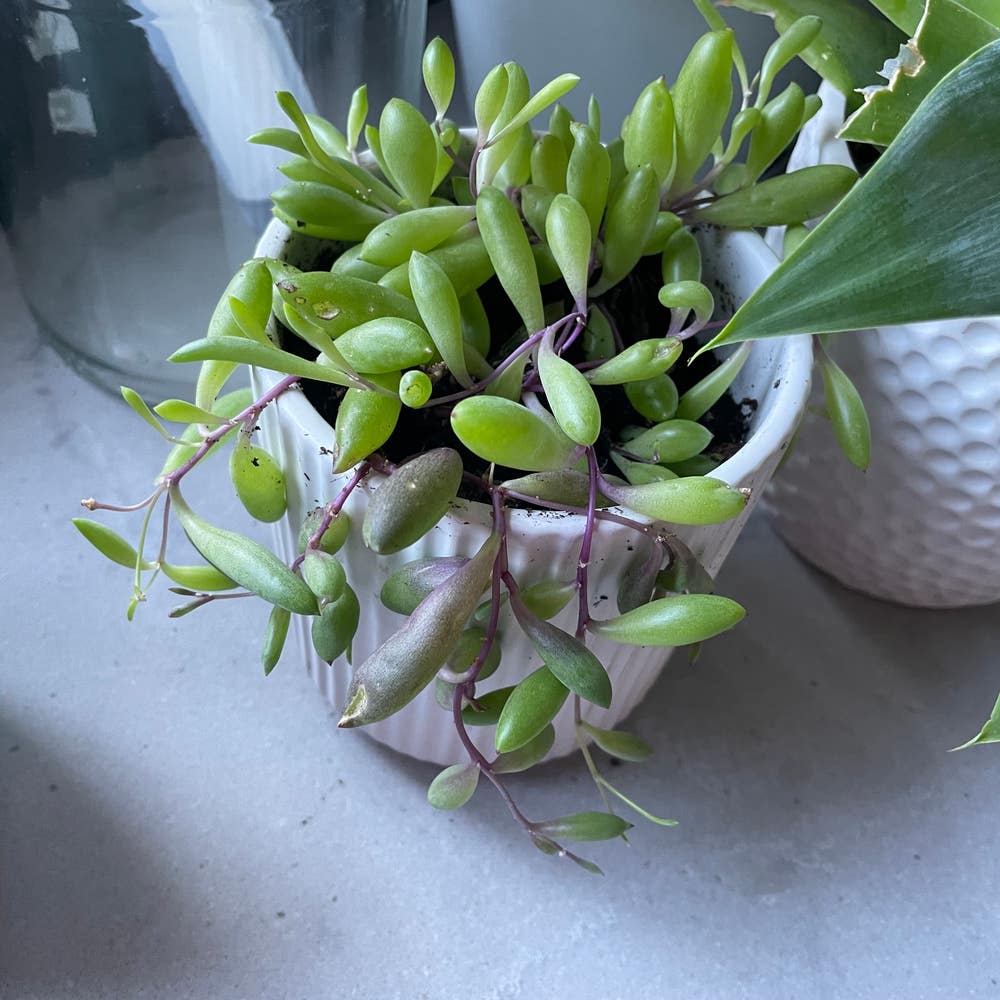
💎 4 Ideal Locations to Plant Your Ruby Necklace
Crassothonna capensis
By the Greg Editorial Team
Nov 07, 2024•5 min read
This article was created with the help of AI so we can cover more plants for you. May contain errors. See one? Report it here.
Master sunlight and soil for a thriving Ruby Necklace 🌱 and enjoy vibrant growth in your garden!
- ☀️ Plant Ruby Necklace in 6-8 hours of sunlight for vibrant growth and color.
- 🌱 Well-draining sandy soil is ideal; consider cactus mixes for indoor planting.
- 🌬️ Protect from harsh winds and assess light patterns for optimal placement.
Sunlight Exposure
Full Sun Requirements 🌞
Ruby Necklace thrives in full sun, requiring 6-8 hours of direct sunlight daily. This exposure not only enhances its vibrant colors but also promotes robust growth, making it a stunning addition to your garden.
Partial Shade Tolerance 🌤️
While it loves the sun, Ruby Necklace can tolerate some shade, especially in hotter climates. Ideally, it benefits from morning sun with afternoon shade, which helps prevent leaf scorch and keeps the plant healthy.
Effects of Too Much Shade 🌑
If your Ruby Necklace isn’t getting enough light, you’ll notice signs like stretched, leggy growth and a loss of its vibrant color. Over time, insufficient sunlight can lead to increased susceptibility to pests and diseases, compromising the plant's overall health.
Understanding the sunlight needs of your Ruby Necklace is crucial for its success. With the right exposure, you can enjoy a thriving, colorful plant that brightens your space. Next, let’s explore the best soil types and conditions for optimal growth.
Soil Type and Conditions
🌱 Well-Draining Soil Preferences
Ruby Necklace thrives in sandy or rocky soils that promote optimal drainage. If you're planting indoors, a cactus or succulent potting mix is your best bet for keeping those roots happy.
⚖️ Soil pH Considerations
Aim for a soil pH between 6.0 and 7.0 to ensure your Ruby Necklace can absorb nutrients effectively. Testing your soil with a pH meter or test kit will help you maintain the right conditions for growth.
🌿 Amendments for Optimal Growth
To enhance drainage, consider adding perlite or coarse sand to your soil mix. A good rule of thumb is to use a 1:1 ratio of potting soil to perlite when planting in containers, ensuring your Ruby Necklace has the best chance to flourish.
By paying attention to soil type and conditions, you set the stage for a vibrant and healthy Ruby Necklace. Next, let’s explore how to position your plant for optimal growth and health.
Proximity to Other Plants and Structures
🌱 Companion Planting Considerations
When planting your Ruby Necklace, consider its companions carefully. Ideal partners include other succulents or drought-tolerant plants that share similar water needs, ensuring a harmonious garden ecosystem.
Avoid planting near species that require more moisture. This helps prevent competition for water and nutrients, allowing your Ruby Necklace to thrive.
📏 Spacing Requirements
To promote healthy growth, space your Ruby Necklace 12-18 inches apart. This distance allows for its trailing growth to flourish without overcrowding.
Adequate spacing also enhances airflow around the plants, which is crucial for preventing fungal diseases. Good air circulation keeps your plants healthy and vibrant.
🏢 Impact of Nearby Structures on Light and Wind
Assess the impact of nearby structures like buildings or fences. These can create unwanted shade or act as windbreaks, affecting your Ruby Necklace's growth.
Evaluate how these structures influence light exposure. Ensure your plant receives sufficient sunlight, even with nearby obstacles, to maintain its health and beauty.
Assessing and Choosing the Best Spot
🌞 Evaluating Sunlight Patterns
To ensure your Ruby Necklace thrives, start by observing sunlight patterns throughout the day. Track how sunlight moves across your garden, noting areas that receive consistent exposure.
Identifying microclimates is also crucial. Look for spots that retain heat or moisture, as these can significantly affect your plant's health.
🌬️ Wind Protection
Windbreaks are essential for protecting your Ruby Necklace from harsh winds that can damage its delicate leaves. Position your plant near walls or hedges to provide natural protection from gusts.
This strategic placement not only shields your plant but also helps maintain a stable environment for growth.
🚰 Drainage Considerations
Assessing drainage is vital when selecting a planting location. Check for standing water or compacted soil, as these conditions can hinder your plant's development.
If you encounter poor drainage areas, consider using raised beds or containers. These solutions can significantly improve drainage and create an ideal environment for your Ruby Necklace to flourish.
With these considerations in mind, you're well on your way to finding the perfect spot for your Ruby Necklace. Next, let's explore the differences between indoor and outdoor planting locations to further enhance your gardening success.
Indoor vs. Outdoor Planting Locations
Indoor Location Selection 🌱
When choosing an indoor spot for your Ruby Necklace, opt for south or west-facing windows. These locations provide the optimal sunlight exposure your plant craves.
Maintaining moderate humidity is crucial. Avoid placing your plant near drafts or heating vents to keep it comfortable and thriving.
Outdoor Location Selection 🌼
Deciding between a garden bed or container planting depends on your available space and aesthetic preferences. Containers offer flexibility, while garden beds can provide a more permanent home.
Keep an eye on seasonal changes. As the weather shifts, monitor how sunlight and temperature affect your Ruby Necklace's growth and adjust its location if necessary.
With the right indoor or outdoor setting, your Ruby Necklace will flourish beautifully. Next, let’s explore how to assess and choose the best spot for your plant.
⚠️ Safety First
This content is for general information and may contain errors, omissions, or outdated details. It is not medical, veterinary advice, or an endorsement of therapeutic claims.
Always consult a qualified healthcare professional before using any plant as food, medicine, or supplement.
Never eat any plant (or feed one to pets) without confirming its identity with at least two trusted sources.
If you suspect poisoning, call Poison Control (800) 222-1222, the Pet Poison Helpline (800) 213-6680, or your local emergency service immediately.
Spotted an error? Please report it here.
Ensure your Ruby Necklace thrives brilliantly 🌞 by using Greg for tailored care tips and reminders that help you find its perfect planting spot!