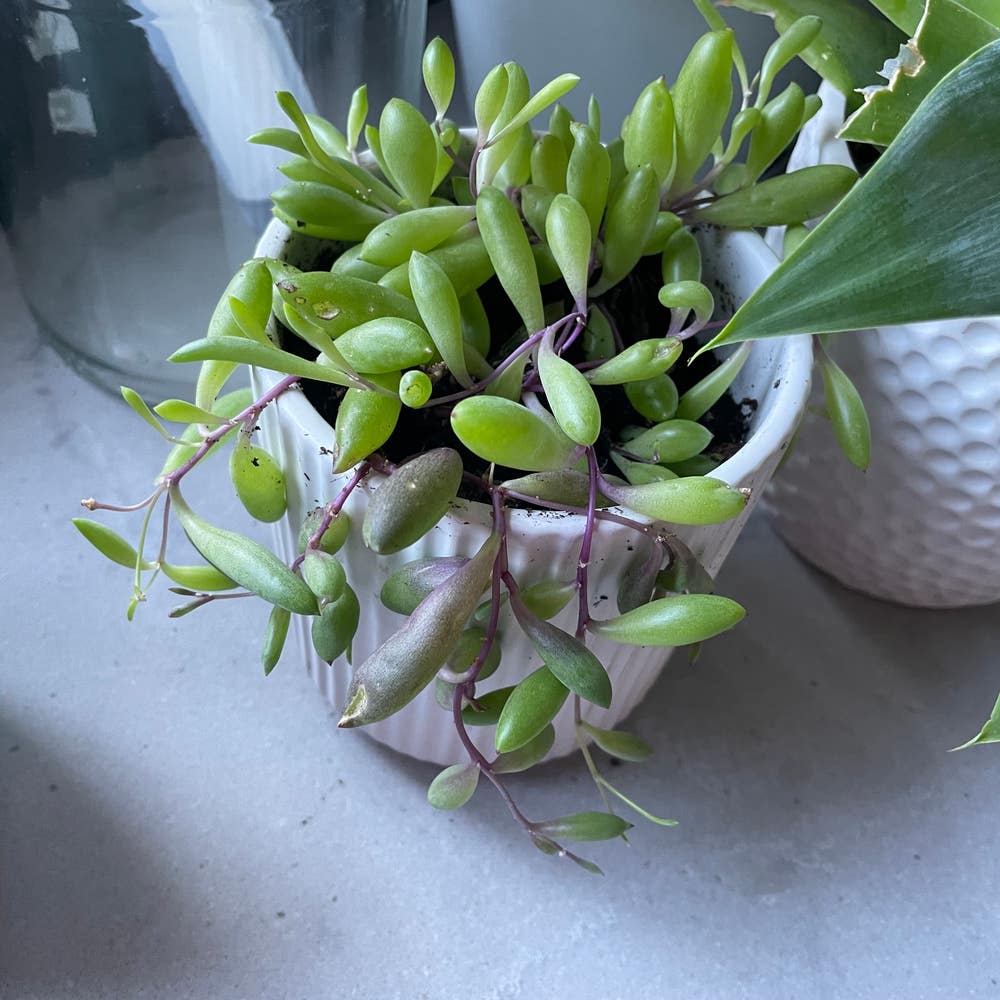
🌱 How to Grow Ruby Necklace Outdoors
Crassothonna capensis
By the Greg Editorial Team
Nov 07, 2024•6 min read
This article was created with the help of AI so we can cover more plants for you. May contain errors. See one? Report it here.
Master the sunlight and watering needs of your Ruby Necklace for a vibrant garden display! 🌞🌱
- ☀️ Ruby Necklace needs 6-8 hours of sunlight daily for vibrant growth.
- 💧 Allow soil to dry completely between waterings to prevent root rot.
- 🌱 Fertilize every 4-6 weeks during growing season for optimal health.
Sunlight and Watering Needs
🌞 Ideal Sunlight Exposure
Ruby Necklace thrives in full sun, requiring 6-8 hours of direct sunlight daily. Without enough light, you may notice stretched growth and a loss of vibrant color, which can be disheartening.
To keep your plants healthy, acclimatization is key. Gradually introducing them to full sun helps prevent sunburn, ensuring they adapt without stress.
💧 Watering Frequency and Techniques
When it comes to watering, it's crucial to allow the soil to dry out completely between waterings. This practice prevents overwatering, which can be detrimental to your Ruby Necklace.
For effective watering, consider these techniques:
- Deep watering encourages robust root growth.
- Utilize drip irrigation or soaker hoses for consistent moisture.
Be vigilant for signs of overwatering, such as yellowing leaves, mushy stems, and root rot. These indicators signal that your plant may be in distress and need immediate attention.
With the right sunlight and watering practices, your Ruby Necklace will flourish, setting the stage for a vibrant outdoor display. Next, let's explore the soil and fertilization preferences that will further enhance its growth.
Soil and Fertilization Preferences
🌱 Best Soil Types
To thrive, Ruby Necklace requires a well-draining soil mix, ideally a cactus or succulent blend. This type of soil allows excess water to escape, preventing root rot and promoting healthy growth.
The pH level of the soil should be slightly acidic to neutral, ranging from 6.0 to 7.0. Maintaining the right pH ensures that your plant can absorb nutrients effectively.
🗓️ Fertilization Schedule
During the growing season, which spans spring and summer, fertilize your Ruby Necklace every 4-6 weeks. This regular feeding supports robust growth and vibrant color.
For the best results, use a balanced, diluted liquid fertilizer or slow-release granules. Watch for signs of nutrient deficiency, such as stunted growth, pale leaves, and poor color, which indicate your plant may need a nutrient boost.
With the right soil and fertilization practices, your Ruby Necklace will flourish, setting the stage for a stunning outdoor display. Next, we’ll explore the various planting options available, including the benefits and drawbacks of container versus ground planting.
Planting Options: Container vs. Ground
🌱 Benefits and Drawbacks of Container Planting
Container planting offers several advantages for growing Ruby Necklace.
- Mobility: You can easily relocate your plants to ensure they receive optimal sunlight or protection from harsh weather conditions.
- Control over Soil Quality: Containers allow you to customize the soil mix, ensuring it meets the specific needs of your plant.
- Aesthetic Flexibility: They can enhance your garden's design, adding visual interest wherever you place them.
However, there are some drawbacks to consider.
- Limited Root Space: Containers restrict root growth, which may lead to more frequent watering and fertilization.
- Risk of Overheating: In direct sunlight, containers can heat up quickly, potentially stressing your plants.
🌍 Benefits and Drawbacks of Ground Planting
Ground planting has its own set of benefits that can lead to healthier Ruby Necklace plants.
- More Space for Root Expansion: This allows for larger, more robust plants that can thrive in their natural environment.
- Natural Moisture Retention: Once established, ground-planted Ruby Necklace requires less frequent watering, making it easier to maintain.
On the flip side, ground planting comes with challenges.
- Less Control Over Soil Conditions: You may need to amend the soil to ensure it meets the plant's needs.
- Vulnerability to Pests and Diseases: Plants in the ground are more exposed to pests and diseases, which can affect their health.
Understanding these options will help you make an informed decision on how to best grow your Ruby Necklace. Whether you choose containers or ground planting, each method has its unique advantages and challenges that can shape your gardening experience.
Protection from Weather and Pests
🌧️ Weather Protection Strategies
Protecting your Ruby Necklace from the elements is crucial for its health. Start by using mulch, which helps retain moisture and regulate soil temperature, ensuring your plant stays hydrated and comfortable.
Consider employing shade cloth to shield your plant from extreme heat and prevent sunburn. During colder months, frost protection is essential; cover your plants with frost cloth or bring containers indoors to safeguard them from chilly temperatures.
🐛 Common Outdoor Pests and Prevention
Being vigilant about pests can save your Ruby Necklace from significant damage. Common culprits include aphids, small green insects that can cause leaf curling, and mealybugs, which appear as white, cotton-like pests that weaken plants.
To prevent infestations, conduct regular inspections and hand-remove any pests you find. If the problem escalates, treat your plants with insecticidal soap or neem oil to keep them healthy and thriving.
🦠 Diseases and Management
Diseases can pose a serious threat to your Ruby Necklace if not managed properly. Root rot, often caused by overwatering and poor drainage, is a common issue, while powdery mildew manifests as white powdery spots on leaves.
To manage these diseases, ensure you follow proper watering techniques and maintain good soil drainage. Additionally, promptly remove any affected leaves and improve air circulation around your plants to promote their overall health.
By implementing these protective measures, you can help your Ruby Necklace flourish outdoors, setting the stage for vibrant growth and resilience. Next, let’s explore the seasonal care and climate considerations that will further enhance your plant's well-being.
Seasonal Care and Climate Considerations
🌱 Seasonal Changes and Their Impact
Spring is the perfect time to plant your Ruby Necklace and give it a boost with fertilization. Keep an eye out for pests as they become more active during this season.
As summer rolls in, you'll need to increase your watering frequency to keep your plants hydrated. Be vigilant about sunburn; the intense heat can be tough on your Ruby Necklace.
In fall, it's time to gradually reduce watering as temperatures drop. Prepare your plants for the cooler months ahead to ensure they thrive.
Winter requires special attention to protect your Ruby Necklace from frost and cold. Make sure to implement strategies that keep your plants safe during this chilly season.
🌍 Special Considerations for Different Climate Zones
Ruby Necklace thrives best in USDA hardiness zones 9-11. If you live in a colder climate, consider container gardening to easily move your plants indoors or to a sheltered area when temperatures drop.
❄️ Tips for Winter Care
For winter care, moving containers indoors or to a protected area is crucial. This simple step can save your plants from frost damage.
If your Ruby Necklace is planted in the ground, apply mulch around the base for added insulation. This helps keep the roots warm and protected.
Regularly monitor your plants for any signs of frost damage. Adjust your care routine as needed to ensure your Ruby Necklace remains healthy and vibrant through the winter months.
With these seasonal tips, your Ruby Necklace will not only survive but thrive, ready to dazzle when spring returns!
⚠️ Safety First
This content is for general information and may contain errors, omissions, or outdated details. It is not medical, veterinary advice, or an endorsement of therapeutic claims.
Always consult a qualified healthcare professional before using any plant as food, medicine, or supplement.
Never eat any plant (or feed one to pets) without confirming its identity with at least two trusted sources.
If you suspect poisoning, call Poison Control (800) 222-1222, the Pet Poison Helpline (800) 213-6680, or your local emergency service immediately.
Spotted an error? Please report it here.
Grow a stunning Ruby Necklace outdoors with tailored care tips 🌞 from Greg, ensuring it gets the right sunlight and watering for vibrant growth all season long!